NASA backs Japan's MMX mission to launch for Mars' moons on 19 October
NASA contributes instruments, curation and communications to Japan's MMX mission launching from Tanegashima on 19 October 2026 to sample Phobos and return it to Earth in 2031.
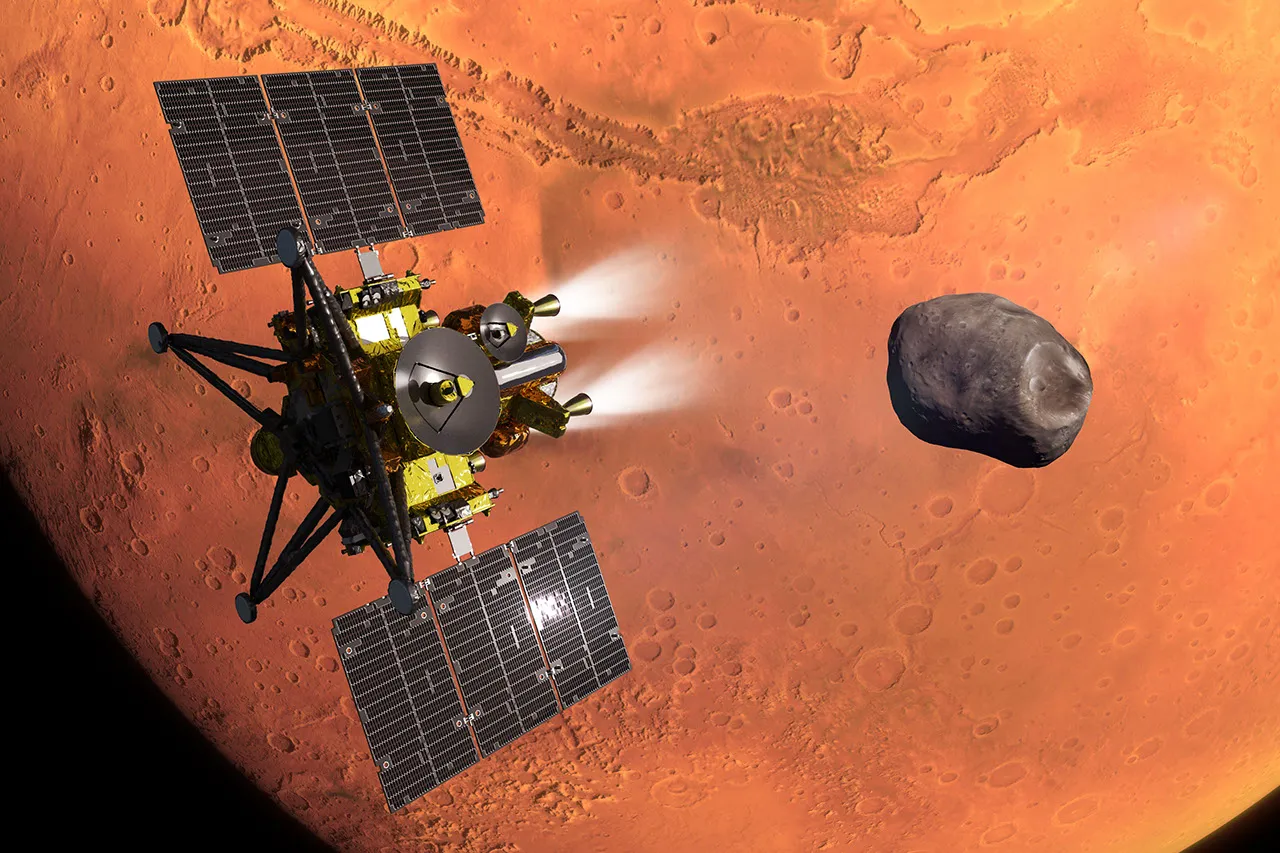 Photo: NASA
Key points
NASA is contributing instruments, communications and sample curation to Japan's MMX mission, launching 19 October 2026 to land on Phobos and return samples to Earth in 2031.
NASA is contributing instruments, communications and sample curation to Japan's Martian Moons eXploration mission, which is scheduled to launch from Tanegashima Space Center in Japan at 3:41 p.m. EDT on Monday, 19 October. The uncrewed spacecraft will travel to Mars to survey its two moons, Phobos and Deimos, land on Phobos, and return a sample to Earth.
The mission matters because scientists have argued for decades about how Mars acquired its two small moons, and no theory has won clear support. MMX will test the competing explanations directly by measuring Phobos's composition and bringing material home for laboratory study, work NASA says will illuminate the early era when the inner planets may have been acquiring water and organic compounds.
What NASA contributes to MMX
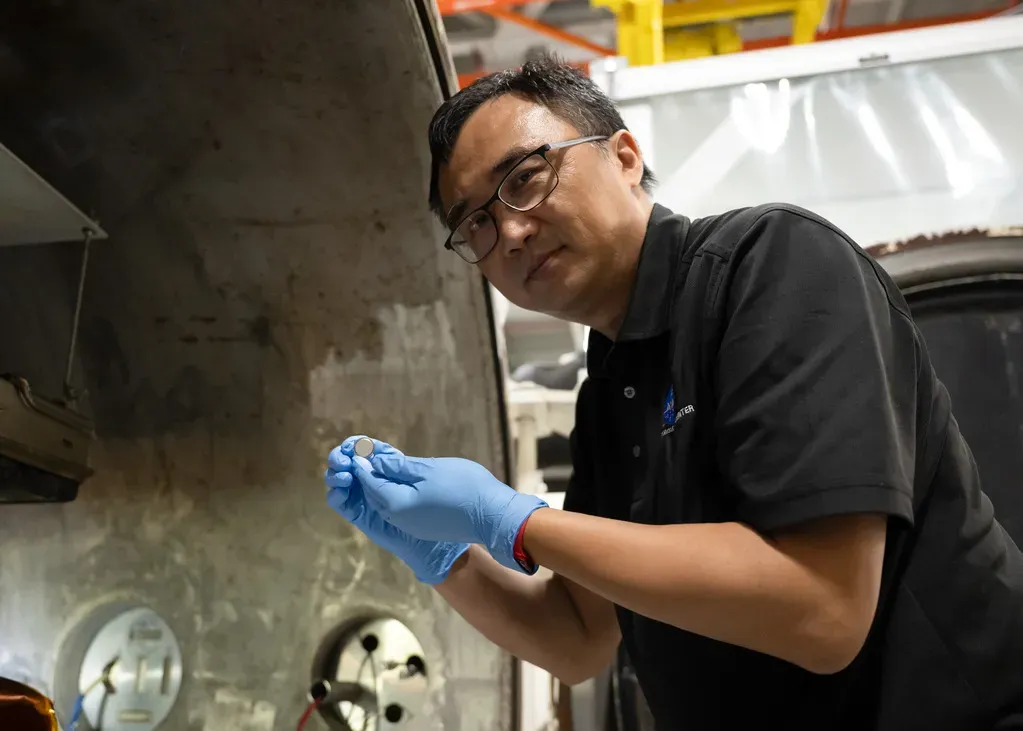
NASA's contributions include the MEGANE spectrograph, which measures neutrons and gamma rays emitted from Phobos's surface to determine its chemical elemental composition. The instrument's name is the Japanese word for eyeglasses. NASA also provides communications and navigation support through its Deep Space Network of radio antennas and funds United States scientists serving on the MMX science team.
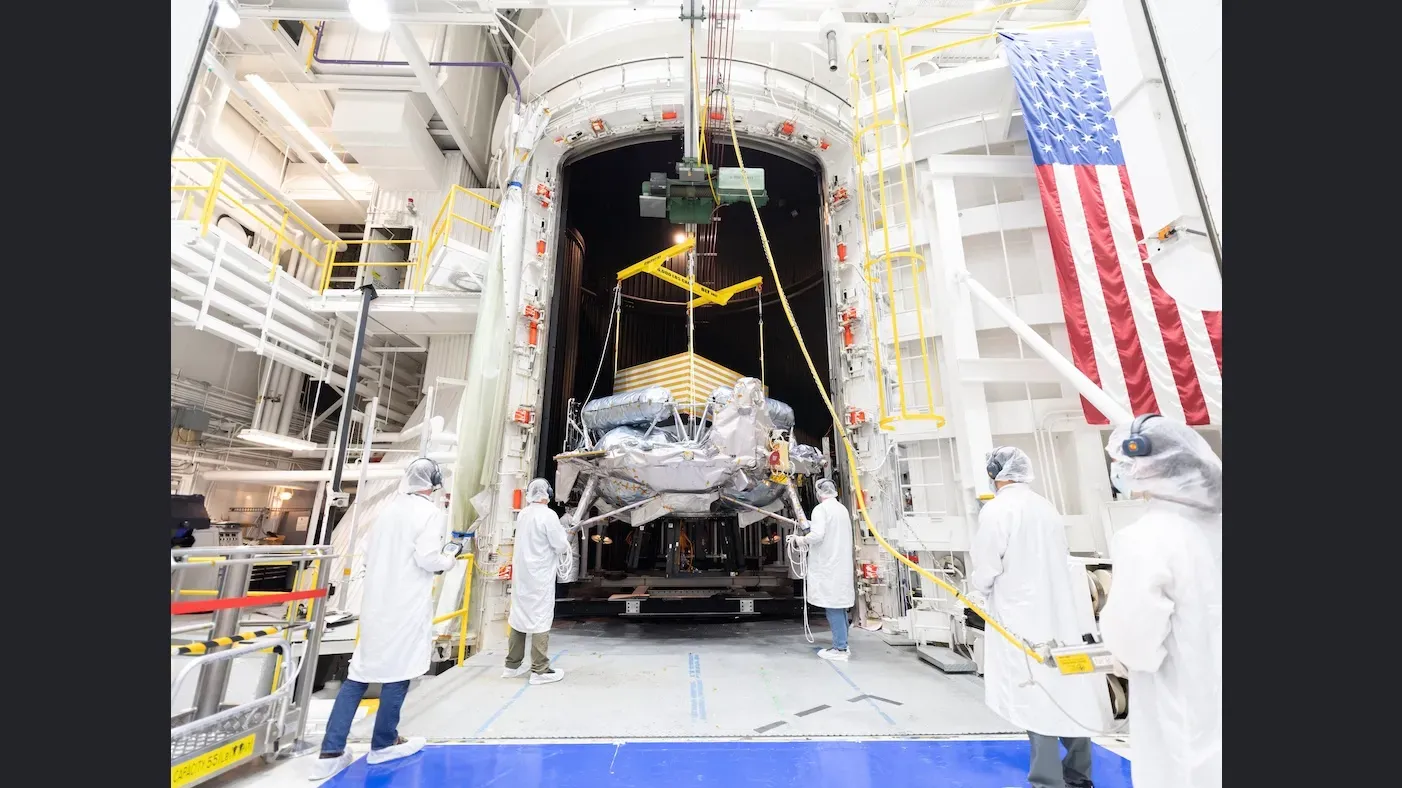
The Pneumatic Sampler, or P-Sampler, is mounted on one of the spacecraft's landing legs and collects surface material using bursts of high-pressure nitrogen gas. It complements JAXA's C-Sampler, which extracts cores a few inches deeper. NASA will obtain and curate about 15% of the total returned sample at its Johnson Space Center Astromaterials Lab in Houston, keeping it available for research for decades.
Two main hypotheses dominate the debate over the moons' origins. The giant impact theory proposes that an object about a third of Mars' size struck the planet early in its history, ejecting material that formed one large moon and many smaller satellites, most of which later fell back to the surface. Simulations by Pascal Rosenblatt and colleagues show Phobos and Deimos would have been the sole survivors.
Two rival origin theories
The rival captured asteroid theory, dating to the 1960s, holds that the moons were asteroids wandering close enough to be trapped by Mars's gravity. This idea faces difficulties: it requires an extremely dense Martian atmosphere to explain the capture, and captured asteroids typically have highly eccentric orbits, whereas Phobos and Deimos orbit almost circularly. Both moons have low density, implying porous interiors.
The composition of the returned sample will discriminate between the theories. Material rich in Mars-derived debris alongside impactor material would favour the giant impact scenario, while a composition matching known meteorite categories would support asteroid capture. Tom Statler, MMX program executive at NASA Headquarters, said the answer will illuminate the early era when Earth and the inner planets may have been acquiring much of their water and organic compounds.
MMX will arrive at Mars in August 2027 to begin surveying both moons, collect a Phobos sample no earlier than December 2028, and deliver it to Earth. The spacecraft carries 13 scientific instruments and will deploy a 25kg rover named Idefix on Phobos's surface. Phobos, with a mean diameter of 22.2km, orbits Mars three times a day, while Deimos measures 12.5km.
Launch and sample return timeline
Phobos is on a collision course with Mars: the planet's gravity draws it about six feet closer every century, and within the next 50 million years the moon is expected to crash into Mars or break up into a ring. The moons were discovered during a six-day window in 1877 by American astronomer Asaph Hall at the US Naval Observatory in Washington DC.
NASA's contributions were developed under the agency's Discovery Program, managed by Marshall Space Flight Center in Huntsville, Alabama. MEGANE was built by the Johns Hopkins Applied Physics Laboratory, and the pneumatic sampler mechanism by Honeybee Robotics, a Blue Origin company. Nicky Fox, associate administrator of NASA's Science Mission Directorate, called the NASA-JAXA sample curation partnership extremely valuable.
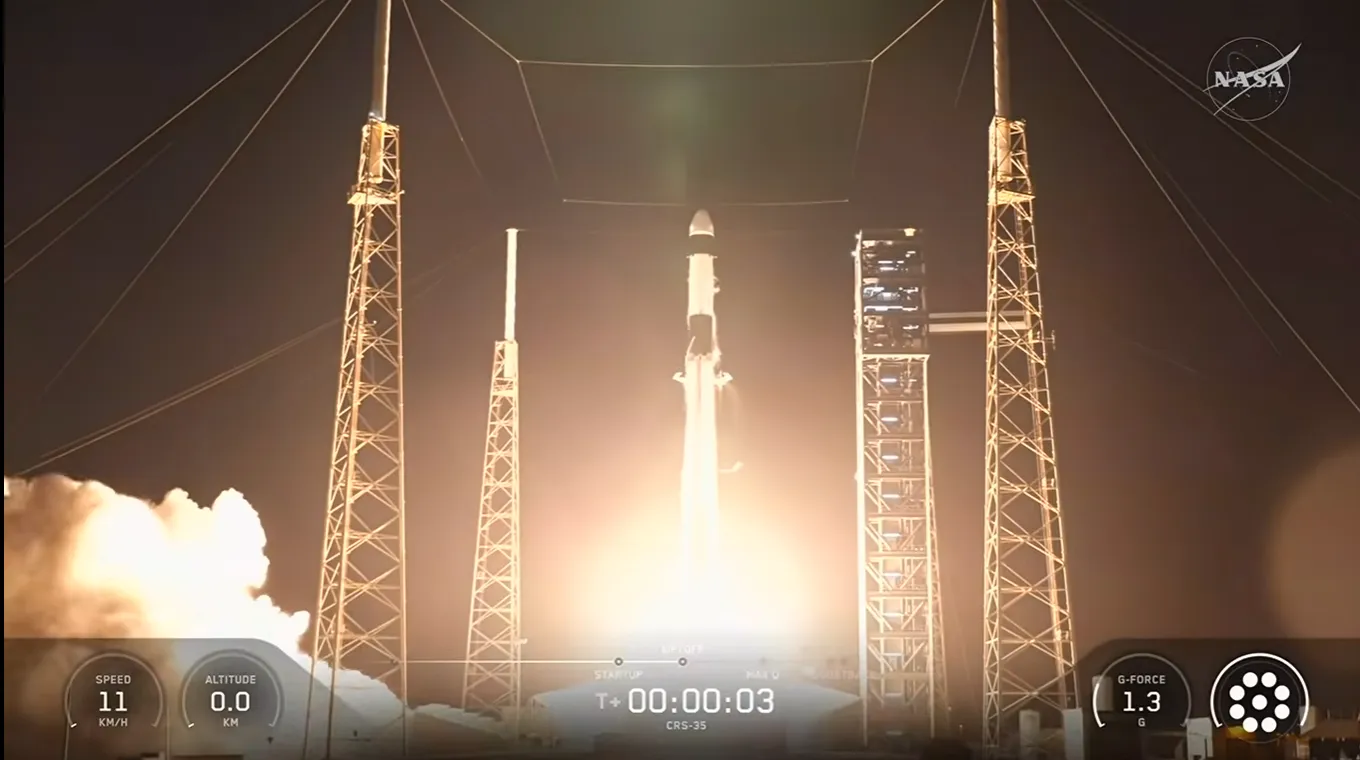
NASA officials briefed on the mission on Thursday, 15 October, with audio streamed live at 4 p.m. on NASA's YouTube channel. The MMX spacecraft targets launch at 3:41 p.m. EDT on Monday, 19 October, which is 4:41 a.m. Japan Standard Time on Tuesday, 20 October, from the H3 rocket at Tanegashima Space Center.
Frequently asked questions
When does the MMX mission launch and when does it return samples?
MMX is scheduled to launch from Tanegashima Space Center on 19 October 2026, arrive at Mars in August 2027, collect a Phobos sample no earlier than December 2028, and deliver it to Earth in 2031.
What is NASA contributing to Japan's MMX mission?
NASA supplies the MEGANE gamma-ray and neutron spectrograph, the Pneumatic Sampler, Deep Space Network communications and navigation support, funding for US scientists on the MMX team, and curation of about 15% of the returned sample at Johnson Space Center.
How did Mars get its moons, according to the main theories?
Two theories dominate: a giant impact by an object about a third of Mars' size that ejected surviving material forming Phobos and Deimos, or asteroids captured by Mars's gravity. The returned sample's composition will help distinguish between them.