Jerusalem judges tell Israel's attorney general to consider dropping Netanyahu bribery case
Three Jerusalem District Court judges said on 25 November that a conviction in Case 4000, the bribery charge against Benjamin Netanyahu, was unlikely and the case should be dropped.
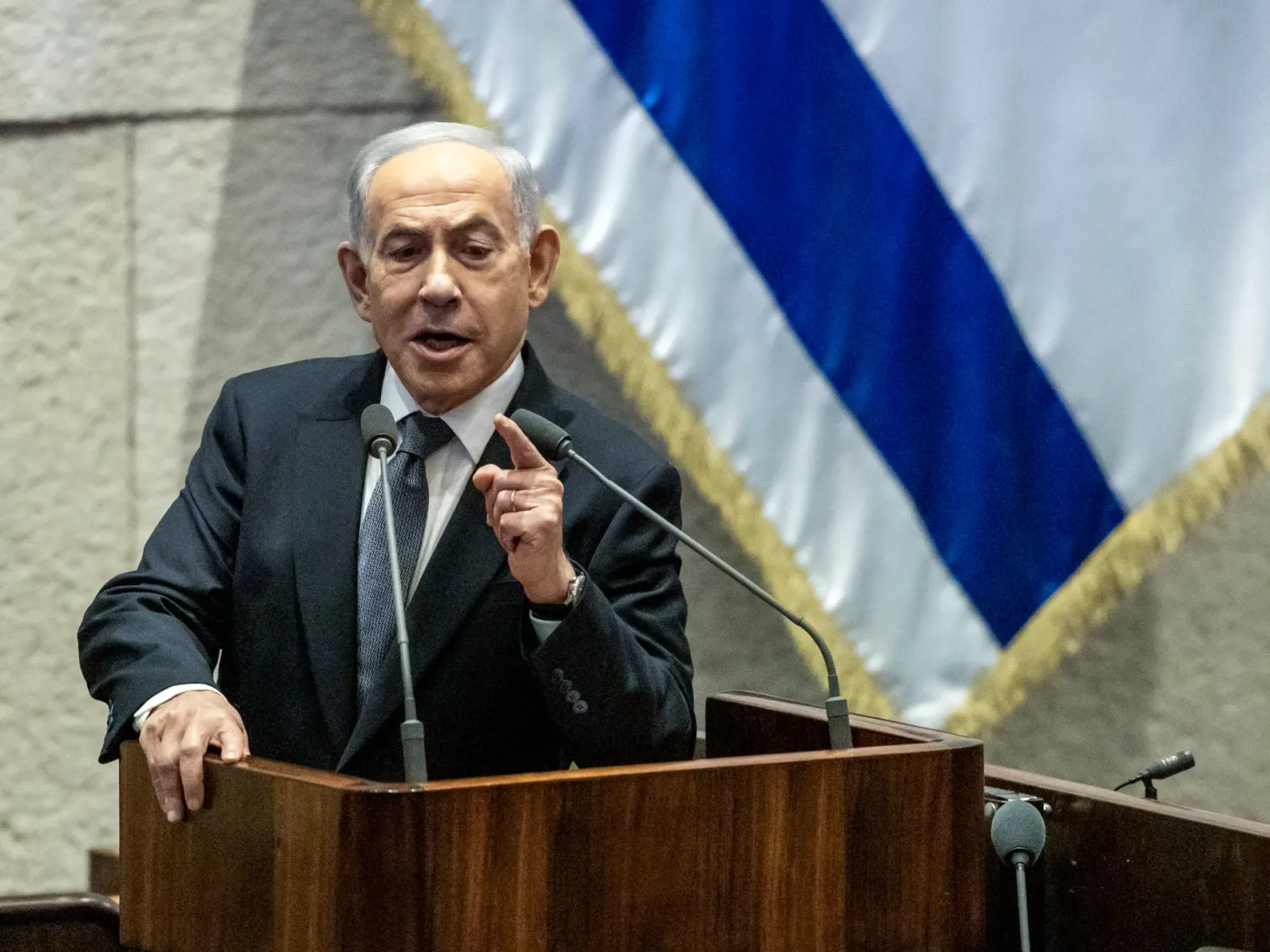 Photo: Al Jazeera
Key points
Israeli judges recommended on 25 November that prosecutors drop the bribery case against Benjamin Netanyahu and reconsider a second case, while he called for the trial to end.
Judges at Jerusalem District Court told Attorney General Gali Baharav-Miara on 25 November that a conviction in Case 4000, the bribery charge against Prime Minister Benjamin Netanyahu, was unlikely and that the case should be dropped. The recommendation was not a ruling on the case, the court clarified, and Baharav-Miara said she would review the judges' statements with the prosecution.
The intervention dealt a blow to state prosecutors and strengthened Netanyahu's position in a trial that has run for six years and divided the country. Netanyahu was indicted in 2019 on charges of bribery, fraud and breach of trust across three separate but interlocking cases, and has denied all wrongdoing. He is the first sitting Israeli prime minister to stand trial.
What the judges said
Judge Rivka Friedman-Feldman, who presides over Case 4000, told Baharav-Miara at the hearing that proving the bribery charge faced "considerable difficulties". The judges identified problems not only with the bribery allegation but also with the accompanying fraud and breach-of-trust charge, and proposed that the prosecution consider dropping the entire charge against Netanyahu.
The judges also recommended that prosecutors reconsider Case 2000 because of doubts that Netanyahu's actions constituted a criminal offence. In that case, prosecutors allege he negotiated a deal with Arnon Mozes, owner of the Yedioth Ahronoth newspaper, for better coverage in return for legislation to slow the growth of a rival newspaper.
In Case 1000, the gifts case, the judges said the bulk of the evidence was before them and that a procedural path should be found to bring the case to a conclusion. They did not suggest dropping that case. Baharav-Miara, who was unusually summoned to the hearing, said she was ready for either a verdict or a plea deal.
The Bezeq allegation
Case 4000 is considered the most serious case Netanyahu faces. Prosecutors allege that he granted regulatory favours worth around 1.8 billion shekels to Bezeq Telecom Israel and in return sought positive coverage for himself and his wife, Sara, on a news website controlled by former Bezeq chairman Shaul Elovitch. Elovitch has denied wrongdoing.
The judges had difficulty with former Communications Ministry director-general Shlomo Filber's testimony about instructions he allegedly received from Netanyahu to help Bezeq. Filber's account was key to the case, and the judges pointed to changes in his testimony and to a timeline that did not add up. Their conclusion was that the prospects of conviction were low enough to justify reconsidering the case.
Netanyahu called the court's recommendation a "ray of light for truth and justice" and said the "fabricated cases" against him were falling apart. "The trial must end immediately," he said in a televised statement at the Israeli parliament. He also spoke of "ten years of terrible suffering" for himself and his family.
Netanyahu calls for an end
His right-wing allies cheered the recommendations. Defence Minister Israel Katz wrote that "the time has come to put an end to a trial that was flawed from the outset". The judges did not acquit Netanyahu, issue a verdict or withdraw any charges, and they stressed that their comments reflected their impressions at this stage.
The recommendations came as Netanyahu fights for his political survival after inconclusive elections on 27 October. His main rival, Gadi Eisenkot, has been tasked with forming a government, and if Netanyahu is no longer prime minister he would lose his leverage to avoid a potential jail sentence. Eisenkot's Yashar party agreed a coalition pact with Israel Our Home, led by Avigdor Lieberman, the first alliance of its kind since the election. The left-wing Democrats suspended coalition talks, complicating his path. Eisenkot has until 6 December to form a government under a 28-day mandate, though he could ask for a 14-day extension.
If Eisenkot fails, Netanyahu would have an opportunity to form a government. If no one is able to do so, another election will be held next year. Eisenkot is expected to meet Israeli President Isaac Herzog on the evening of 25 November, with coalition negotiations under way and his camp already trying to unravel some of the Netanyahu-era judicial reforms in parliament.
Frequently asked questions
What did the judges recommend in Benjamin Netanyahu's corruption trial?
At a hearing on 25 November, judges at Jerusalem District Court recommended that prosecutors drop Case 4000, the bribery charge, and reconsider Case 2000. In Case 1000 they suggested finding a procedural path to conclude the case. The court said the recommendation was not a ruling.
What is Case 4000 about?
Prosecutors allege Netanyahu granted regulatory favours worth around 1.8 billion shekels to Bezeq Telecom Israel and in return sought positive coverage for himself and his wife on a news website controlled by former Bezeq chairman Shaul Elovitch, who denies wrongdoing.
What happens next in the case?
Attorney General Gali Baharav-Miara said she would review the judges' statements with the prosecution and was ready for either a verdict or a plea deal. Separately, Gadi Eisenkot has until 6 December to form a government.