Netanyahu warns Iran against disrupting Israel's 27 October election
Israeli Prime Minister Benjamin Netanyahu warned Iran and its proxies against attacks to disrupt the 27 October election, saying Israel would respond with disproportionate force, in a video message on Sunday.
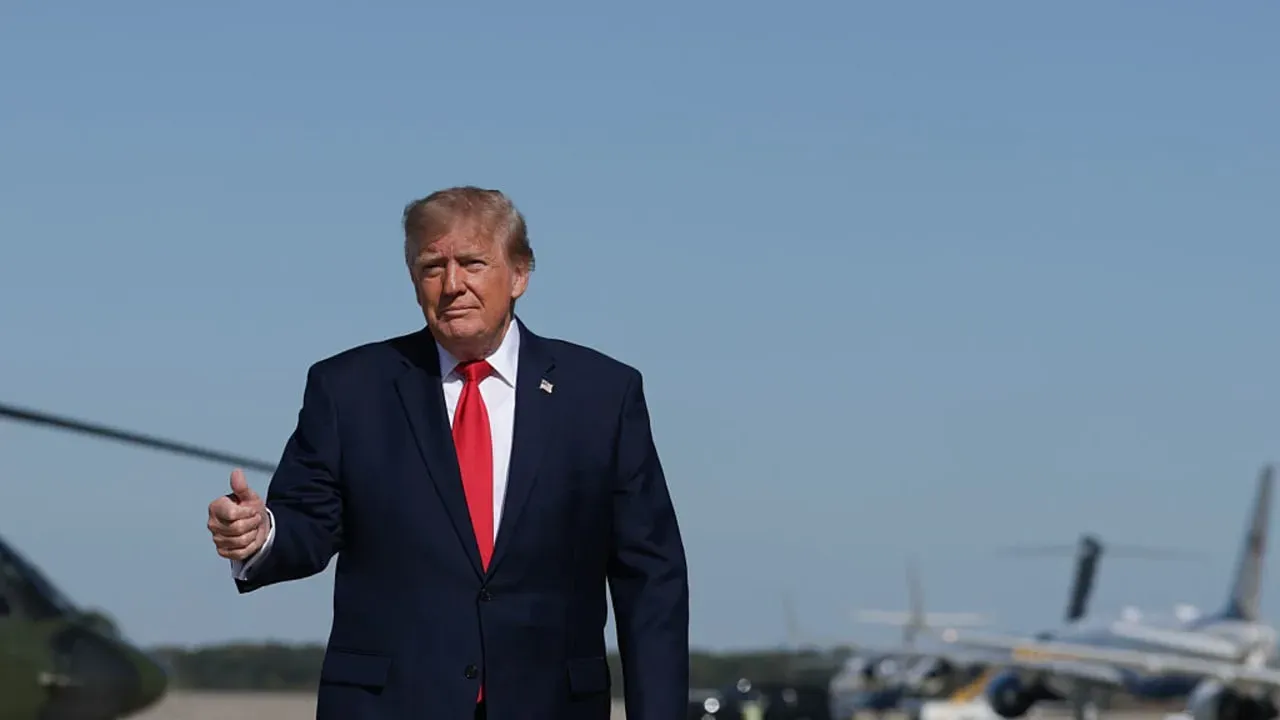 Photo: The Jerusalem Post
Key points
Netanyahu warned Iran and its proxies against attacks to disrupt Israel's 27 October election, vowing disproportionate retaliation.
Israeli Prime Minister Benjamin Netanyahu warned Iran and its regional allies against any attempt to disrupt Israel's parliamentary election on 27 October, saying in a video message on Sunday that Israel's military was prepared to respond to possible attacks. Netanyahu claimed Israeli intelligence detected signs that Iran and its allies could attempt attacks to interfere with the vote.
The warning matters because it places national security at the centre of Netanyahu's election campaign, days before Israelis vote on 27 October to elect all 120 members of the Knesset. Netanyahu has highlighted the war on Iran, launched by Israel and the US in February, and presented himself as the leader capable of keeping the bombardment going. The vote could end his long tenure as prime minister.
What Netanyahu said about Iran
Netanyahu said in the video message: "We have intelligence signs that our enemies, Iran and its proxies, could challenge us with attacks in order to disrupt the elections." He added: "Don't test us. You will suffer disproportionate blows," saying Israel's military was prepared for both defensive and offensive operations. Netanyahu also claimed in a post on X/Twitter that Israel is facing "real and tangible existential danger" coming from Iran, and that only a small window of time remains for Israel and the US to act and completely defeat Iran. He shared a video from one of the Israel Defense Forces' anti-missile batteries, saying: "The IDF is prepared on both defense and in offense."
Iranian foreign minister Abbas Araghchi said fresh US-Israeli attacks would not change Tehran's policies. Speaking as US President Donald Trump raised the possibility of strikes while leaving open the prospect of a diplomatic agreement, Araghchi said: "Whether war happens or not, our policies remain in place." He argued further attacks would not produce a different outcome.
Iran's response to US and Israel
Araghchi also warned that the Strait of Hormuz, a critical route for global oil and gas shipments, would not return to the way it was before the war. Trump on Saturday claimed the US could launch fresh attacks against Iran but also suggested a deal remained possible, saying: "Maybe tomorrow... There's a possibility I will."
On Sunday, Trump said the United States would not launch a military strike against Iran that day. Asked whether a US attack could take place as soon as that day, Trump replied: "There will not be a strike today." He did not rule out military action at a later date, saying: "Should I finish the job - which would be very easy to do - or should I reach an agreement?"
Campaign centres on national security
The war and its aftermath form the backdrop to the campaign. The United States and Israel bombed Iran on 28 February and assassinated their Supreme Leader. Tehran retaliated with attacks on US bases in the Gulf and closing shipping through the Strait of Hormuz. A ceasefire between Iran and the US took effect on 8 April, and a memo agreed by the two sides in June later unravelled, with each accusing the other of violating its terms.
Netanyahu has also drawn attention to economic security ahead of the vote. In an interview on Friday with economic journalist Roy Katz on Channel 10, he said Israel needed to prepare for possible banking sanctions: "There could be sanctions, and sanctions on banks so you need to set up a bypass economy." The Bank of Israel rejected the proposal on Saturday, saying cryptocurrencies "cannot be used as a route for bypassing sanctions".
On Sunday, more than 100 economists, including former Bank of Israel officials, ex-central bank governor Jacob Frenkel and several Nobel laureates, signed a letter warning that Netanyahu's proposal could trigger higher unemployment, falling foreign investment and further damage to Israel's international economic standing. Netanyahu's main rival, Gadi Eisenkot, described the plan as "madness", calling it the "BibiCoin policy".
Netanyahu also shared an AI-generated image showing a mushroom cloud over Tel Aviv on Sunday, with text attributed to a right-wing political commentator describing Iran as an existential threat to Israel. Earlier in the week, he said he instructed Israel's security forces to work towards toppling Iran's clerical government. Israel votes on 27 October to elect all 120 members of the Knesset. Netanyahu has served longer than any other Israeli leader and has placed considerable emphasis on his security record during the campaign, while opponents including Eisenkot and opposition leader Yair Lapid attack his economic proposals ahead of the vote.
Frequently asked questions
What did Netanyahu warn Iran about?
Netanyahu warned Iran and its proxies against attacks to disrupt Israel's 27 October election, saying in a video message on Sunday: "Don't test us. You will suffer disproportionate blows." He claimed Israeli intelligence detected signs of possible attacks.
When does Israel hold its election?
Israel votes on 27 October to elect all 120 members of the Knesset, its parliament. Netanyahu has served longer than any other Israeli leader, and the vote could end his tenure as prime minister.
How did Iran respond to US and Israeli pressure?
Iranian foreign minister Abbas Araghchi said fresh US-Israeli attacks would not change Tehran's policies, adding: "Whether war happens or not, our policies remain in place." He warned the Strait of Hormuz would not return to its pre-war state.