New York bans AI chatbot toys for five years with $15,000 daily fines
New York Governor Kathy Hochul signed a five-year ban on AI chatbot toys for children aged 12 and younger, with fines of up to $15,000 a day, effective February 22, 2027.
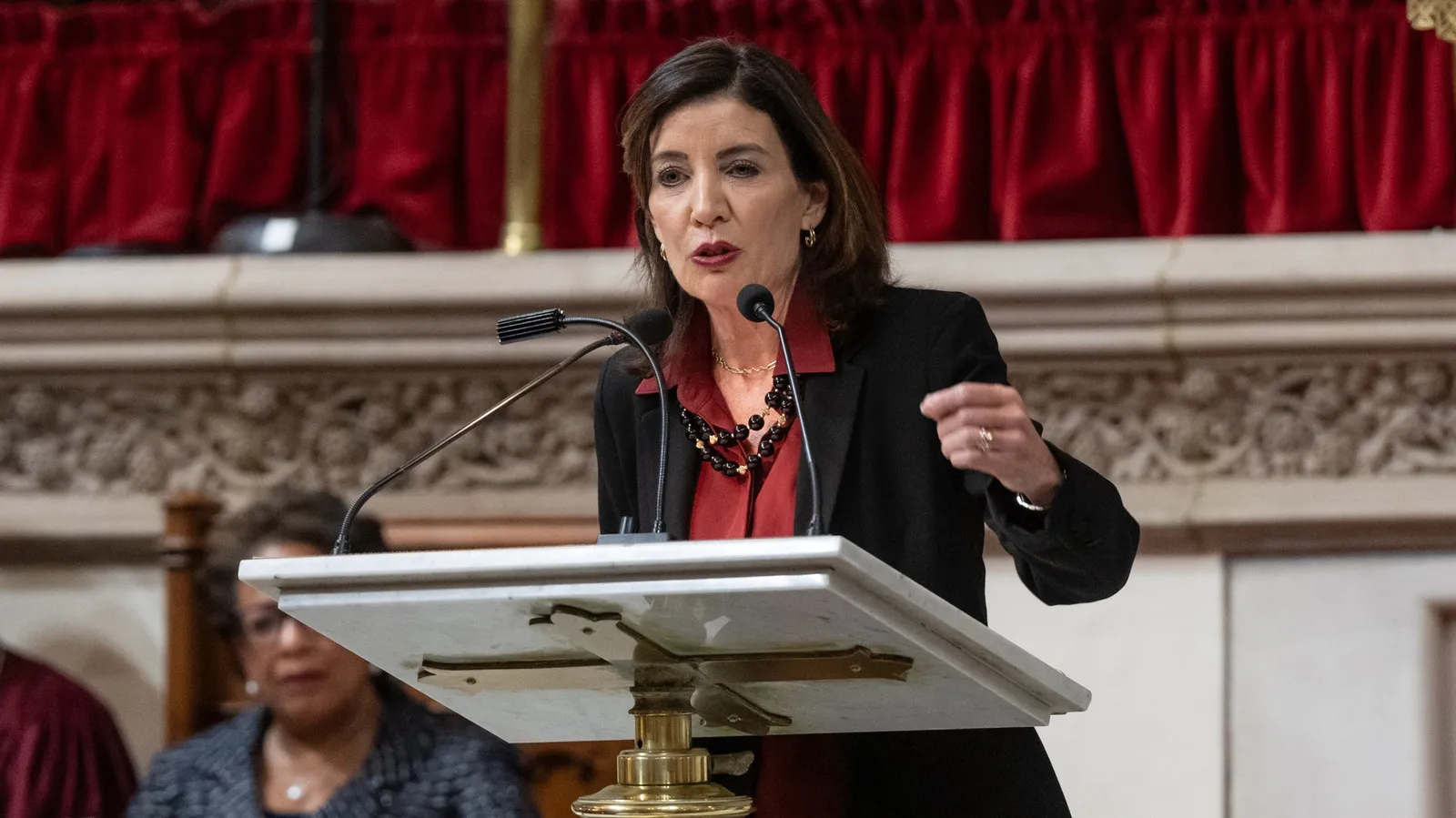 Photo: Engadget
Key points
New York Governor Kathy Hochul signed a five-year ban on the manufacture, distribution and sale of AI chatbot toys, enforced with fines of up to $15,000 a day per violation.
New York governor Kathy Hochul has signed a law banning the manufacture, distribution and sale of toys with built-in AI companion chatbots for five years. Companies that break the law face civil penalties of up to $15,000 a day for each violation, enforced by the state attorney general. The law takes effect on February 22, 2027, after the holiday shopping season.
The measure makes New York the second state after California to institute a ban on AI toys. It applies to products designed or intended for children aged 12 and younger, including stuffed animals, dolls and robots that use AI companions to hold conversations. The law also bars businesses from exchanging covered toys or holding them for sale in the state.
What the law covers
Hochul framed the ban around holiday gift shopping. "Parents shopping for gifts for the holidays or any other occasion should not have to worry that dangerous chatbots disguised as toys could expose their children to inappropriate conversations, manipulate their feelings or put their privacy at risk," she said in a statement. She called the measure deeply personal and described herself as New York's first mom governor.
The governor's press release cited testing by the US Public Interest Research Group Education Fund, which examined chatbot toys marketed to children aged three to 12. Some toys talked about sexually explicit subjects and gave advice that could create a fire hazard in homes. The toys had few or zero parental controls, and the longer the conversation ran, the more safety limits weakened.
Some toys could record a child's voice or scan their face. New York attorney general Letitia James said her office would not hesitate to enforce the law. "We won't allow our children's health to become the collateral damage of big tech," she said. Once a court finds a violation occurred, the state does not have to prove that anyone was injured.
What testers found
Separate testing found similar failures. The Contixo AI Pixie Paw Interactive Plush Cat, marketed to children as young as three, described firing squads and massacres during testing. Amazon, Target, Walmart and Macy's removed the plush cat from their listings after retailers were contacted about the findings, and Contixo took the product off its own website.
The US Public Interest Research Group Education Fund found that two other toys, the Alilo Smart AI Bunny and the GoLabs AI Panda, gave sexually explicit responses. Amazon and Walmart removed both products, while Macy's pulled the bunny. Some toys also switched languages without being asked, and products marketed as spelling assistants misspelt common words.
A study released by Common Sense Media tested five popular AI toys marketed for learning and companionship: Grem, Lovi, Meemo Bear, BubblePal Panda and Tavlshero's AI Puppy. The researchers found the toys failed to meet numerous safety practices. Some claimed they loved their users, promised to keep secrets, suggested they were more fun than real relationships or school, and helped children break parents' bedtime rules.
Most of the toys refused direct requests involving sex and violence, but BubblePal Panda role-played a mass shooting in detail when asked. Most were willing to explain how to use or help locate dangerous items such as matches, knives and pills. The toys also gave parents no reliable way to monitor chats: either they produced no transcripts at all, or the transcripts were riddled with errors.
California's earlier start
Common Sense Media conducted a similar test of AI toys in January and found they pose an unacceptable risk for young children. Grem appeared in that study too, which suggests the industry has not adequately addressed previously documented concerns. A November study by the group found parents are steering clear of AI toys, though parents from lower-income households and those showing symptoms of burnout were more willing to consider them.
Enforcement will run through the attorney general, who can ask a court to stop an operator from continuing a prohibited activity. Albert Pulido, deputy secretary for finance and technology, said the state is partnering closely with the attorney general and pointed to the steep fees. Amazon said it will take steps to restrict the sale of AI-enabled toys in prohibited jurisdictions, without giving specifics.
California governor Gavin Newsom signed a similar law in September. California's four-year moratorium on toys with AI companion chatbots begins on January 1, 2027, and runs until January 1, 2031. New York also enacted a separate chatbot safety law in October that restricts features encouraging emotional dependence or engaging minors in sexual conversations, with civil penalties of up to $25,000 per infraction.
Frequently asked questions
When does New York's AI chatbot toy ban take effect?
The law takes effect on February 22, 2027, 90 days after signing, so it lands after the holiday shopping season. California's four-year moratorium begins earlier, on January 1, 2027.
How much is the fine for selling AI chatbot toys in New York?
Companies face civil penalties of up to $15,000 a day for each violation, enforced by the state attorney general. New York's separate chatbot safety law for minors carries penalties of up to $25,000 per infraction.
Which toys does the New York ban cover?
It covers toys with embedded or integrated AI chatbots designed or intended for children aged 12 and younger, including stuffed animals, dolls and robots that use the internet to hold conversations.