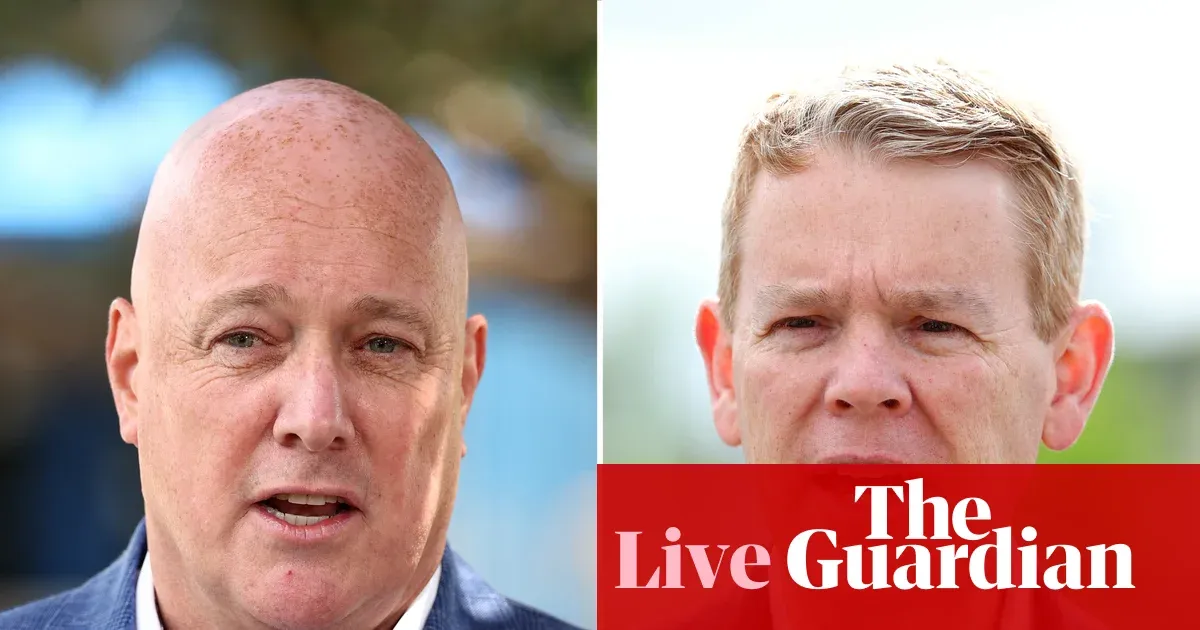
Luxon's bloc holds 67 seats as New Zealand election stays too close to call
New Zealand's election on 7 November left Luxon's coalition one seat above majority, with 300,000 special votes to decide the final result by 27 November.
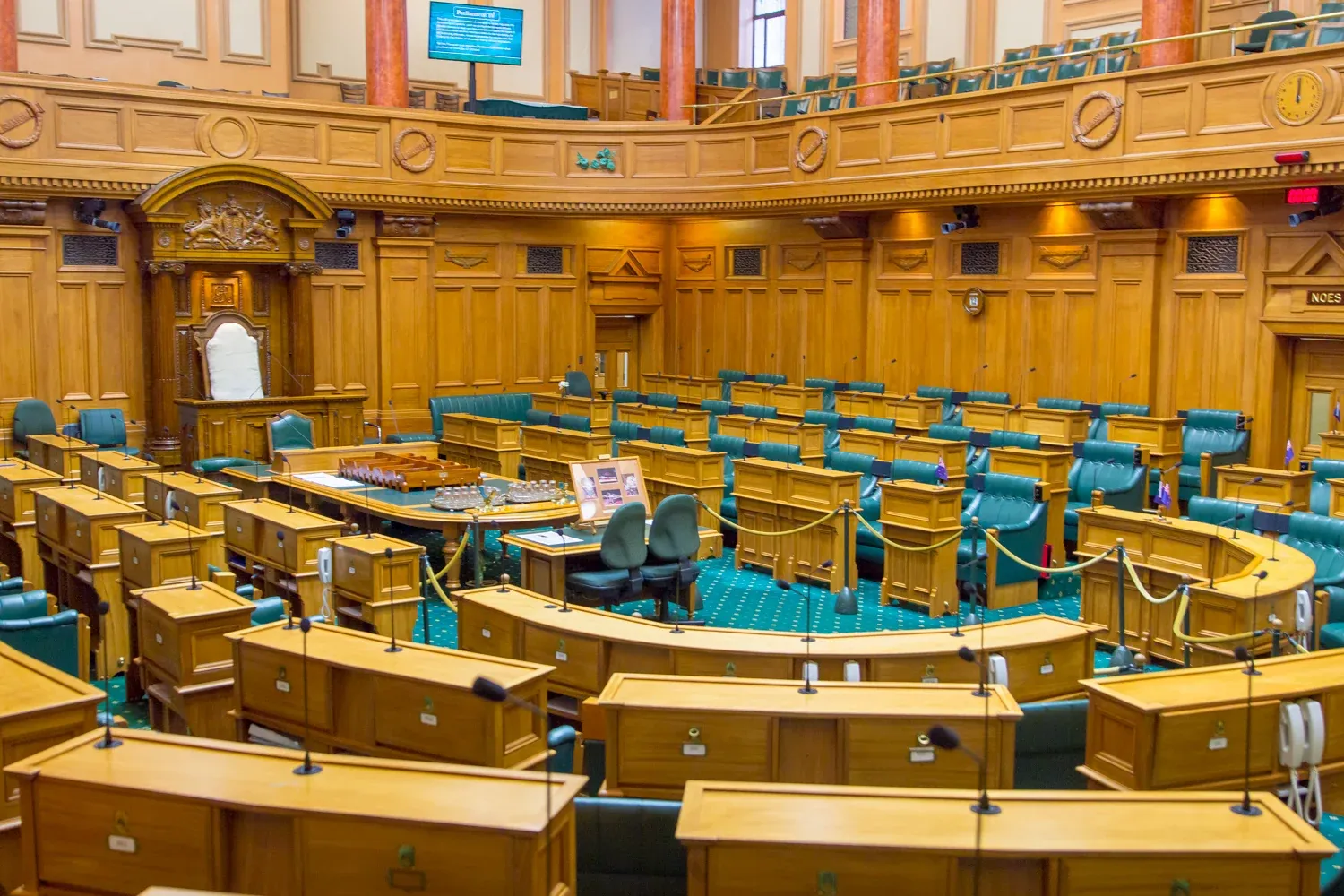 Photo: The Rio Times
Key points
New Zealand's election on 7 November produced no clear winner, with Luxon's coalition at 67 seats and 300,000 special votes still to count.
New Zealand's general election on 7 November ended without a clear winner, leaving the shape of the next government dependent on about 300,000 special votes still being counted. Prime Minister Christopher Luxon's centre-right coalition holds 67 seats in the preliminary count, one above the 66 needed for a majority in a parliament of 130 or 131 seats.
A wafer-thin majority
The official result is not due until Friday, 27 November, after three weeks of counting late votes. Luxon, leader of the National Party, said the result was "too close to call" and that his coalition had "a pathway to forming the next government", according to Radio New Zealand. On election-night counts, National won 42 seats, ACT 13 and New Zealand First 12, giving the three parties a combined 67 seats. Labour, led by Chris Hipkins, won 35 or 36 seats, the Green Party 16 and Te Pāti Māori five, a total of 56 or 57 seats.
National and Labour each took about 29% of the party vote, with Labour ahead by a narrow margin. Labour received 29.4% of the vote, or 710,330 votes, compared with National's 29.2%, or 706,680 votes — a difference of just 3,650 votes. Special votes include ballots cast overseas, by voters not on the electoral roll at their polling location, on the unpublished roll, or by people unable to access a polling station. In 2023, 600,000 such votes were made, 21% of the total, and they tended to favour the left, giving Te Pāti Māori and the Greens three seats between them.
Special votes could shift balance
If late votes cost the governing bloc two seats, it would fall to 65, below the 66 needed. The final count will show whether that happens. Luxon said caretaker government conventions would apply in the meantime, and "the daily business of government will continue". The new Opportunity Party, led by Qiulae Wong, crossed the 5% party-vote threshold and enters parliament for the first time with 7 seats, winning about 6% of the party vote. Wong told supporters in Auckland she was "stoked" and that "it's looking very promising for us".
Newcomer party enters parliament
The collapse of the two major parties, with a sluggish economy and stubbornly high inflation, is feeding record support for smaller parties, including ACT, New Zealand First and the Greens. National won more seats than its party support allows, meaning it could gain an extra five seats as overhang. Four of its most senior ministers, including Nicola Willis, Paul Goldsmith, Chris Bishop and Gerry Brownlee, will not return to parliament because they did not win a seat or the party did not win enough votes to bring in list-only MPs.
Hipkins told supporters at the Cosmopolitan Club in Upper Hutt that New Zealand had spoken but "it may take a bit longer to work out what they've said". He promised Labour would get "straight to work" should the final count land in its favour. The country faces a two-week wait for special votes, followed by the possibility of weeks of negotiations.
Frequently asked questions
When will New Zealand's final election result be announced?
The official result is due on Friday, 27 November, after about 300,000 special votes are counted. Special votes include overseas ballots and those cast outside a voter's electorate.
How many seats does Luxon's coalition hold?
National, ACT and New Zealand First together hold 67 seats in the preliminary count, one above the 66 needed for a majority in a parliament of 130 or 131 seats.
What are special votes in New Zealand elections?
Special votes are late ballots, such as those cast overseas or outside a voter's home electorate. They are still being counted, which matters when the margin is a single seat.