National and Labour neck-and-neck as special votes loom
New Zealand's election on 7 November left National and Labour nearly tied, with 300,000 special votes to decide the outcome by 27 November.
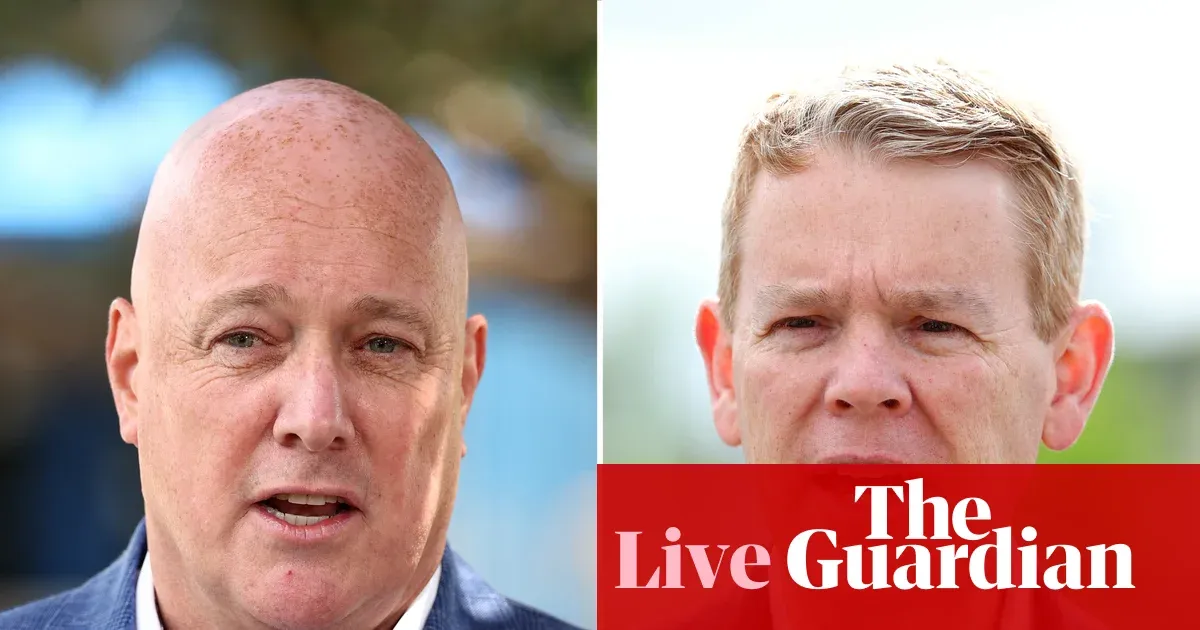 Photo: The Guardian
Key points
New Zealand's election is too close to call, with National and Labour nearly tied and special votes to decide the outcome.
New Zealand's general election on 7 November ended in a dead heat, with the ruling National Party and opposition Labour Party nearly tied at about 29% each. With 97% of votes counted, National held a slim lead of about 3,500 votes over Labour, according to preliminary results. Prime Minister Christopher Luxon conceded the race was "too close to call" in his speech to supporters in Auckland.
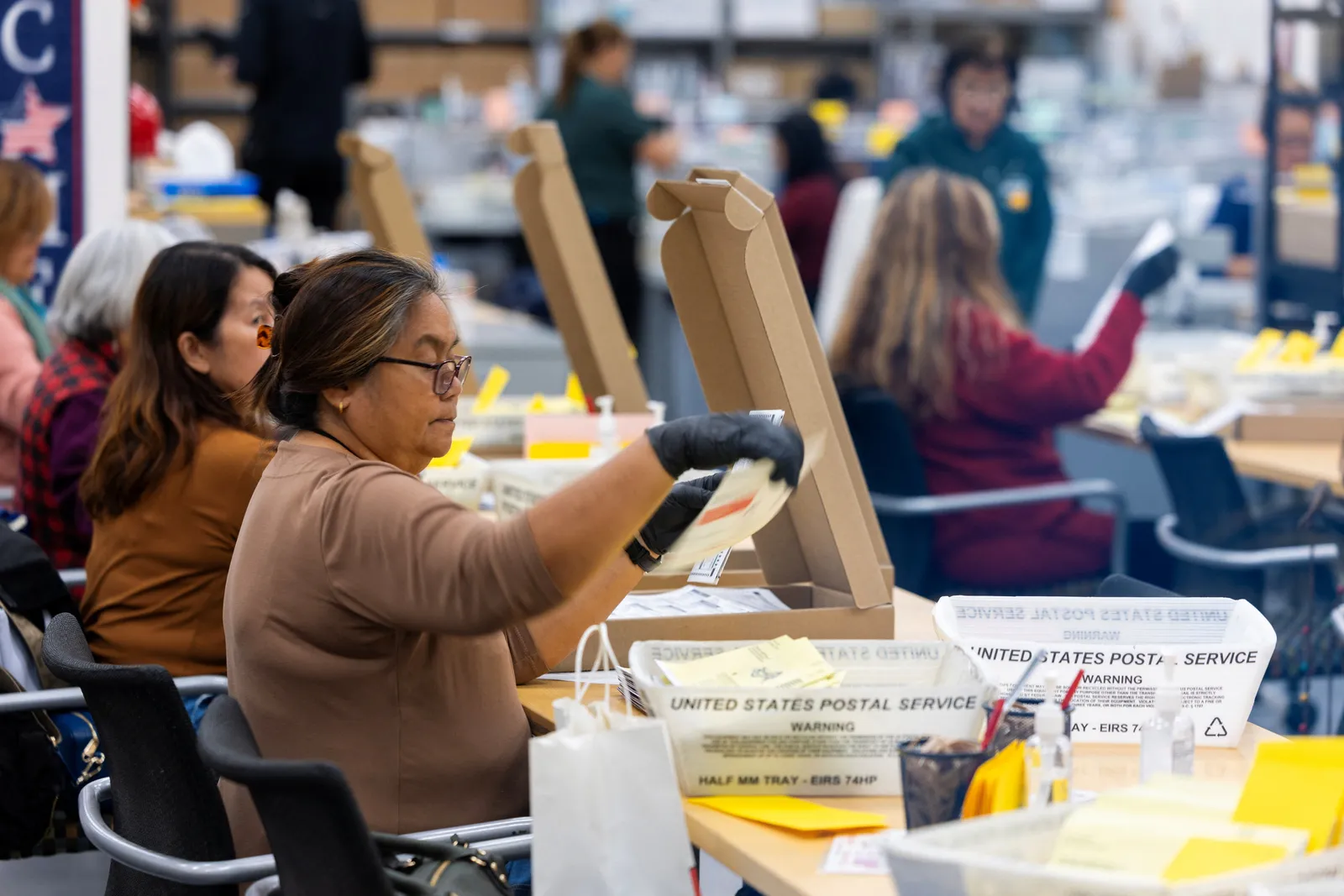
The outcome now rests on roughly 300,000 special votes, including those from New Zealanders living abroad, which are yet to be counted. Luxon said those votes would be tallied and known by 27 November. In the 2023 election, special votes shifted the preliminary result, with National dropping from 50 seats to 48 seats after they were counted.
Special votes to decide
Special votes typically favour left-leaning parties, according to reports. This could erode the slim majority projected for the right-wing bloc of National, ACT, and NZ First, which currently holds 67 seats in the 130-seat parliament. Labour, the Greens, and Te Pāti Māori together project 56 seats, leaving the centrist Opportunity Party with 7 seats as a potential kingmaker.
The Opportunity Party, led by Qiulae Wong, crossed the 5% threshold for the first time since its founding in 2017. Wong said she was open to negotiating with either a conservative or left-wing government and would deal first with whichever major party won the most votes. Luxon has ruled out governing with Opportunity, but analysts say both major leaders would likely answer the phone if Wong held the only path to power.
Luxon said meaningful negotiations for a new coalition government would start after the final results are known on 27 November. He described the result as "an MMP special," referring to New Zealand's mixed-member proportional representation system. Until then, caretaker conventions apply, meaning the incumbent government continues the daily business of governing.
Kingmaker opportunity
The election was dominated by cost of living and economic issues, with unemployment at its highest in more than a decade and prices for basic goods stubbornly elevated. Luxon had campaigned on a promise of "no new taxes" after three fractious years in office, but the economy has not improved. Economist Robert MacCulloch of the University of Auckland said voters are frustrated with both traditional parties.
The results are historically poor for both major parties. National lost about 10 percentage points compared with three years ago, and Labour also fell short. Luxon lost some of his most senior MPs, including deputy leader and Finance Minister Nicola Willis, who will not return to parliament due to the party's poor performance in party voting. Housing minister Chris Bishop looks set to lose his Hutt South seat.
Labour leader Chris Hipkins, who served as prime minister for 10 months after succeeding Jacinda Ardern in 2023, told supporters: "New Zealand has spoken. It may take us a little bit longer to figure out exactly what it is that you've said." He said the next parliament would require all parties to compromise and find common ground. Hipkins arrived to cheers of his nickname "Chippy" at an event in Upper Hutt.
Historic losses
The Greens are celebrating a best-ever result of what looks to be 16 seats in parliament. Te Pāti Māori, despite a party vote of only 0.56%, won five seats through electorate votes, creating overhang seats that expand parliament to 130 seats, the largest in New Zealand history. The party's co-leaders comfortably won their seats, and Oriini Kaipara swept the Auckland seat of Tamaki Makaurau.
The final seat distribution will be announced by the electoral commission at the end of the month, with final results expected on 27 November. Coalition negotiations could take weeks after that. The next parliament will require compromise, as no single party or pre-existing bloc has a guaranteed majority. The formation of a new government is likely to be a prolonged process.
Voter turnout was high, with almost 1.7 million of the country's 3.8 million eligible voters casting ballots by Thursday, according to the electoral commission. New Zealanders have been able to vote since 26 October. The election took place under strict laws banning media reporting and political campaigning on the final day.
The outcome will determine whether Luxon continues as prime minister or Hipkins takes over. Luxon said National has "a pathway to forming the next government," but conceded the result is too close to call. With special votes pending, both leaders are preparing for extended negotiations. The final results on 27 November will set the stage for coalition talks.
Frequently asked questions
When will New Zealand's final election results be known?
Final results are expected on 27 November, after about 300,000 special votes are counted. These include votes from New Zealanders living abroad and typically favour left-leaning parties.
What is the Opportunity Party's role in forming the next government?
The Opportunity Party, with 7 seats, could be a kingmaker if the right-wing bloc loses its slim majority. Leader Qiulae Wong has said she is open to negotiating with either major party.
Why is the election so close?
The two main parties are nearly tied at about 29% each, with National holding a slim lead of about 3,500 votes. Cost of living and economic issues dominate, and voters are frustrated with both traditional parties.