Nigeria confirms Ebola case in Abuja traveler from Uganda
Nigeria confirmed an Ebola case in Abuja on 20 October 2026 in a woman who flew in from Uganda, with 44 contacts identified and Uganda disputing any domestic transmission.
 Photo: Daily Maverick
Key points
Nigeria confirmed an Ebola case in Abuja on 20 October 2026 in a woman who arrived from Uganda, with 44 contacts identified.
Nigeria's government confirmed an Ebola case in the capital, Abuja, on 20 October 2026, after laboratory tests verified the infection in a woman who arrived on an international flight from Uganda. Health Minister Muhammad Ali Pate said the patient is in isolation and receiving medical care, with 44 contacts already identified as public health teams trace people who may have been exposed to the virus.
The confirmation matters because it marks a new imported case in a country that contained Ebola in 2014, and it arrives while a Bundibugyo strain outbreak in Democratic Republic of Congo has grown into the world's second-largest ever. Africa CDC head Jean Kaseya said the outbreak has become the most geographically extensive in history, affecting countries across three regions of Africa, and called for urgent global support for Nigeria.
What the confirmation changes
The patient was admitted to a private hospital in Abuja, where she received care for several days before the diagnosis was confirmed, Pate said in a statement. The 44 contacts identified include healthcare workers, patients, caregivers and travel contacts. Pate said Nigeria successfully contained Ebola in 2014 and has the experience and public health systems to respond to this case.
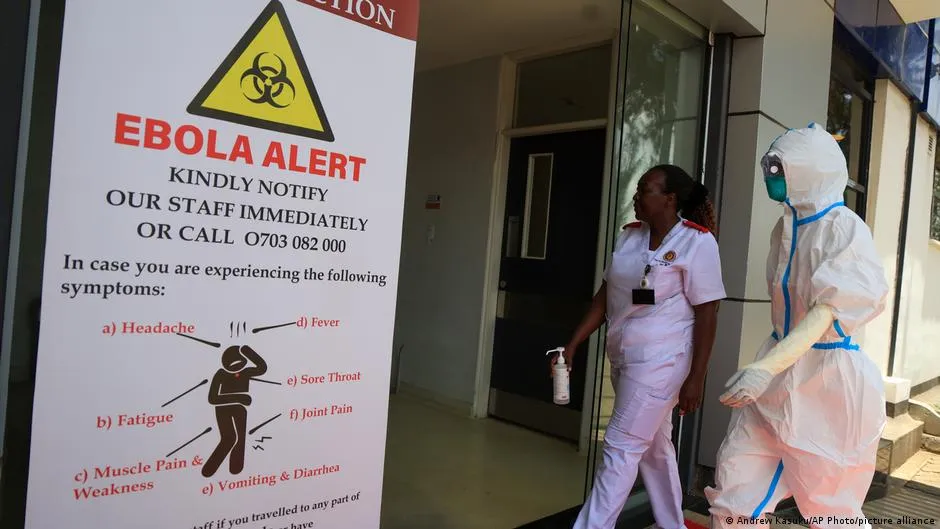
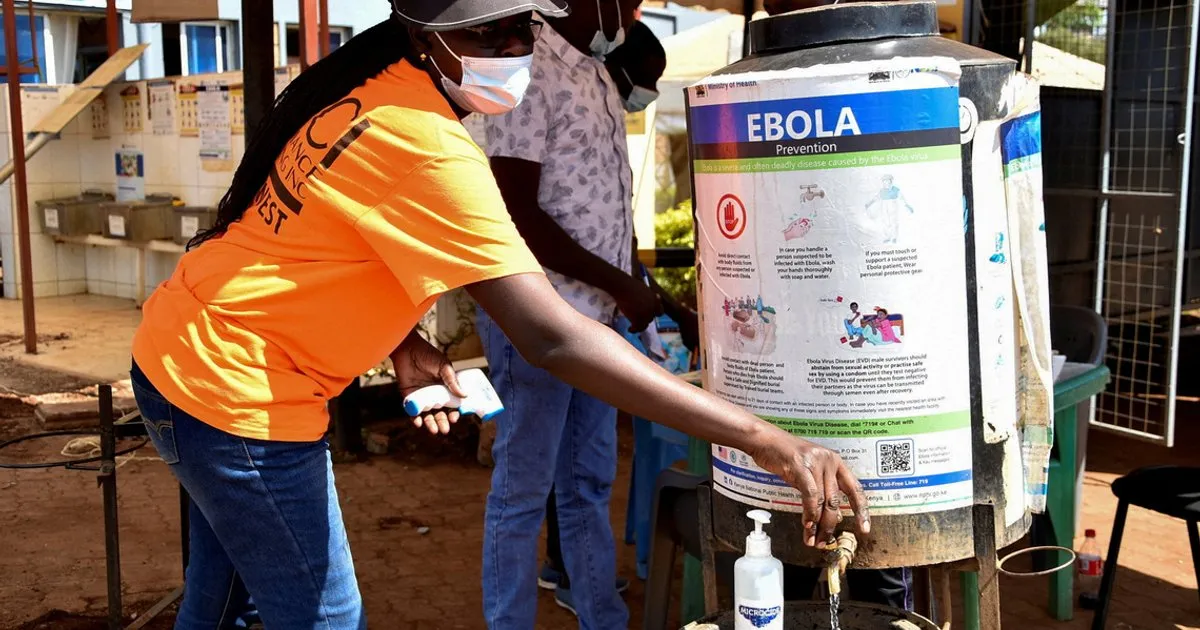
Contact tracing is under way, and the government has urged passengers who travelled with the patient and others contacted by public health teams to provide information and follow official guidance. The Nigeria Centre for Disease Control and Prevention's toll-free line, 6232, operates around the clock for reports of suspected cases. The public has been advised to wash hands regularly and avoid contact with blood or bodily fluids of anyone suspected of having Ebola.
Uganda's Ministry of Health, in a statement issued in Kampala on 20 October 2026, said the woman travelled to the eastern Democratic Republic of Congo for business before transiting through Uganda in early October. Preliminary information indicated she showed no symptoms while in Uganda but developed them after arriving in Nigeria, where her infection was confirmed. The ministry said her transit did not establish that she contracted the virus there.
Where the patient travelled
The location of exposure remains under investigation, the Ugandan statement said, and Nigeria has not yet provided detailed information about the woman's travel itinerary and clinical history. Nigerian authorities identified Uganda as her immediate point of departure, while Uganda's account describes an earlier business trip to eastern Congo. Ugandan government spokesperson Alan Kasujja said there is no Ebola in Uganda.
Uganda reported 20 cases in May and June, mostly imported from Congo, and was declared free of the virus by the World Health Organization in August. The country says it has no confirmed active Ebola cases and will work with relevant agencies to strengthen screening and public health controls at points of entry, while advising residents to practise regular handwashing and sanitising.
Kenya quarantines 10 after its case
The wider regional picture includes an Ebola outbreak declared in Democratic Republic of Congo in mid-May, caused by the rare Bundibugyo strain, which has become the world's second-largest outbreak ever. Kenya has reported nine Ebola cases this month, all linked to a person who travelled from Congo. Health Minister Aden Duale announced on 07 October that Kenya placed 10 people in quarantine and identified 57 other contacts of its patient.
Africa CDC has started mobilising support for Nigeria, its head Jean Kaseya said, urging partners to provide immediate funding, medical supplies, diagnostics and trained emergency responders. Kaseya said the Bundibugyo Ebola outbreak has already become the most geographically extensive in history, affecting countries spread across three regions of Africa. The agency's call frames the Abuja case within a continental response effort.
Former Vice-President Atiku Abubakar, the African Democratic Congress presidential candidate, urged Nigerians to remain calm and rely on verified information, calling on authorities to sustain contact tracing, support affected persons and protect health workers. He said Nigerians deserve calm, clear information and decisive action, and that the media has an important role in informing the public responsibly and helping prevent fear and misinformation.
Atiku urges calm
Uganda's Ministry of Health said it would work with relevant agencies to strengthen screening at points of entry and would communicate verified updates through official channels. The ministry is seeking detailed travel information from Nigeria to guide further investigations and any necessary contact tracing, while the source of the woman's infection remains under investigation.
Nigeria's response continues with contact tracing on the 44 identified contacts and isolation of the patient, while Uganda awaits Nigeria's detailed travel and clinical history for the woman. Africa CDC's mobilisation of support and its call for funding, supplies and responders will shape the next phase of the regional effort against the Bundibugyo strain outbreak.
Frequently asked questions
When did Nigeria confirm the Ebola case in Abuja?
Nigeria's government confirmed the case on 20 October 2026, after laboratory tests verified the infection in a woman who arrived on an international flight from Uganda.
How many contacts has Nigeria identified?
Health Minister Muhammad Ali Pate said 44 contacts have been identified, including healthcare workers, patients, caregivers and travel contacts, with contact tracing under way.
Does Uganda have Ebola?
Uganda's Ministry of Health says the country has no confirmed active Ebola cases, and spokesperson Alan Kasujja said there is no Ebola in Uganda. The source of the woman's infection remains under investigation.