Nigeria confirms first Bundibugyo Ebola case as WHO urges regional readiness
Nigeria confirmed its first imported Ebola case, caused by the Bundibugyo virus, in the Federal Capital Territory on Tuesday, with 44 contacts identified for monitoring and the WHO Director-General urging regional readiness.
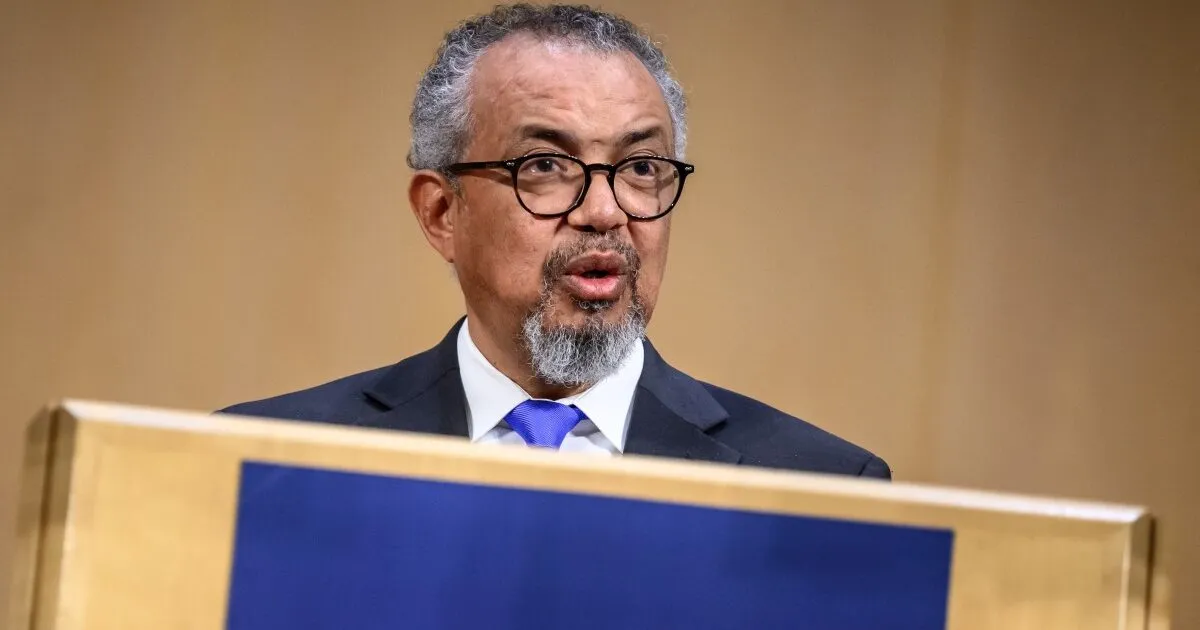 Photo: Punch Newspapers
Key points
Nigeria confirmed its first imported Ebola case, caused by the Bundibugyo virus, in the Federal Capital Territory, with 44 contacts identified for monitoring.
Nigeria confirmed its first imported case of Ebola Virus Disease, caused by the Bundibugyo virus, in the Federal Capital Territory on Tuesday, after a woman who recently travelled from Uganda tested positive. The Minister of Health and Social Welfare, Prof Ali Pate, said the patient is in isolation and receiving medical care, and that 44 contacts had been identified for monitoring, including healthcare workers, patients, caregivers and people who might have travelled with the patient.
The case matters because it is Nigeria's first confirmed Ebola infection of this outbreak, and because it arrived through international travel during an active outbreak linked to the Bundibugyo virus in the Democratic Republic of the Congo. Health authorities are now tracing contacts to prevent onward transmission, while the World Health Organisation urges neighbouring countries to maintain readiness to detect cases early and protect health workers and communities.
What the case confirms
Contact tracing is ongoing, and the World Health Organisation and its partners are working with the governments of Nigeria, Kenya and the Democratic Republic of the Congo to strengthen the overall outbreak response, according to Director-General Dr Tedros Adhanom Ghebreyesus. The patient is receiving treatment in isolation at a private hospital in the Federal Capital Territory, while health authorities identify and monitor people who may have been exposed to the virus.
The 44 contacts identified for monitoring include healthcare workers, patients, caregivers and travel contacts, according to Prof Ali Pate. The Federal Government called for calm, urging Nigerians to rely on verified information, practise good hand hygiene, familiarise themselves with Ebola symptoms, and seek guidance from public health authorities if they suspected exposure. The government said it was working with the Nigeria Centre for Disease Control and Prevention to strengthen surveillance.
Uganda's health ministry said the woman travelled to eastern Democratic Republic of the Congo for business and passed through Uganda in early October without showing symptoms, developing them only after arriving in Nigeria. Prof Charles Olaro, Director General of Health Services in Uganda's Ministry of Health, said travel through Uganda alone does not establish where the infection occurred, and that the location of exposure remains under investigation.
Where the exposure occurred
Uganda's Ministry of Health stated it had no confirmed active Ebola cases at the time of its statement, issued on Tuesday. Prof Olaro said Nigeria had not yet provided detailed information about the woman's travel itinerary and clinical history, which would help guide further investigations and determine whether contact tracing was necessary in Uganda. The ministry said it would strengthen screening and public health controls at points of entry.
The World Health Organisation Director-General urged all countries in the region to sustain a high level of readiness to detect cases early, prevent onward transmission and protect health workers and communities. Nigeria's case comes amid an ongoing Ebola outbreak linked to the Bundibugyo virus in the Democratic Republic of the Congo, with infections also reported in other countries in the region.
Regional response and readiness
Kenya confirmed its first imported case in early October and reported a ninth case on Tuesday, with its health ministry saying all nine cases belonged to one known cluster and the eight surviving patients were responding well to supportive care. The first Kenyan patient had travelled from the Democratic Republic of the Congo through Uganda before arriving in Nairobi, heightening regional concerns about cross-border movement of the virus.
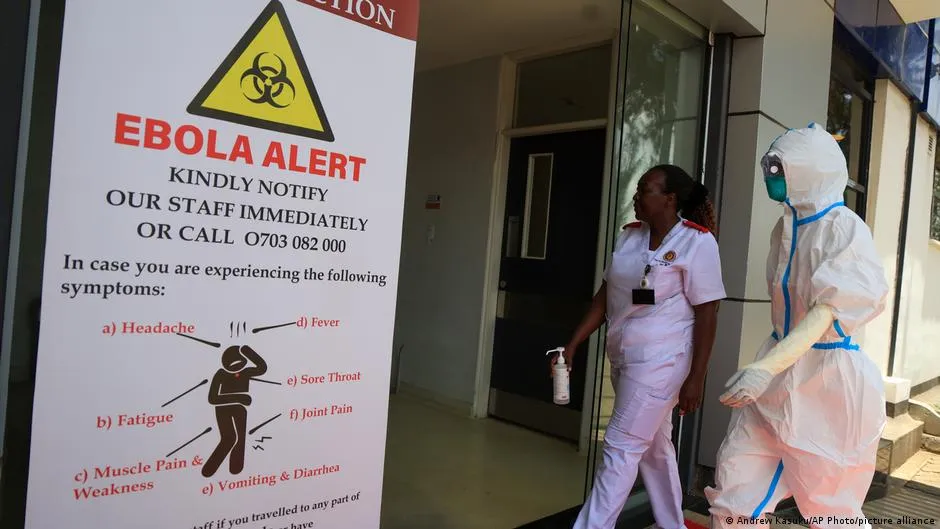
Uganda recorded Ebola infections earlier in 2026 but declared its outbreak over after completing the required period without a new confirmed case. Ebola spreads through direct contact with the blood or other bodily fluids of an infected person, or with contaminated materials; symptoms can include fever, headache, severe weakness, vomiting and diarrhoea. Health authorities advise hand hygiene and avoiding contact with bodily fluids of suspected cases.
The Federal Airports Authority of Nigeria heightened health surveillance across airport operations, working with the Nigeria Centre for Disease Control and Prevention, Port Health Services and the Nigerian Civil Aviation Authority. In a press release issued on Tuesday, its Director of Public Affairs and Consumer Protection, Henry Agbebire, said the early identification of the case and commencement of contact tracing underscore the importance of established public health protocols and inter-agency collaboration.
Investigations into the Nigerian case and the circumstances surrounding the patient's travel remain ongoing, with the location of exposure still under investigation. Uganda's health ministry pledged to provide verified updates through its official communication channels as investigations progressed, while Nigeria's health authorities continue contact tracing to identify anyone who may have been exposed to the virus and prevent further transmission.
Frequently asked questions
What Ebola case did Nigeria confirm?
Nigeria confirmed its first imported case of Ebola Virus Disease, caused by the Bundibugyo virus, in the Federal Capital Territory on Tuesday, after a woman who recently travelled from Uganda tested positive.
How many contacts are being monitored in Nigeria?
Health Minister Ali Pate said 44 contacts had been identified for monitoring, including healthcare workers, patients, caregivers and people who might have travelled with the patient.
Did the woman contract Ebola in Uganda?
Uganda's health ministry said the woman transited through Uganda in early October without symptoms but developed them after arriving in Nigeria. Prof Charles Olaro said travel through Uganda does not establish that infection occurred there, and the location of exposure remains under investigation.