Nvidia board reinstates Jensen Huang as Senate Republicans demand answers
Nvidia's board voted unanimously on 23 November to reinstate Jensen Huang as chief executive, prompting Republican senators to demand Congress be told how the decision was reached.
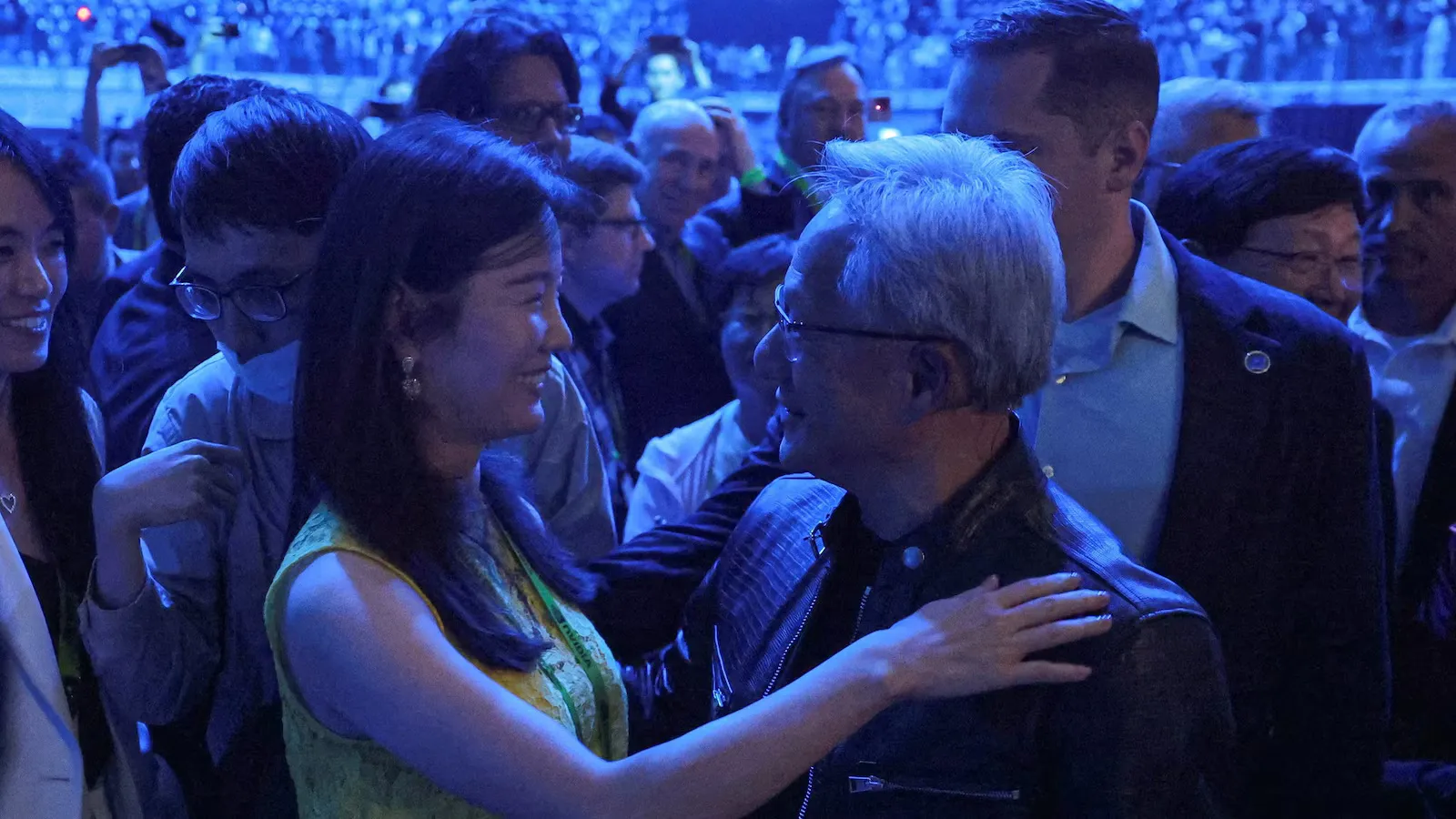 Photo: ABC News
Key points
Nvidia's board voted unanimously to reinstate Jensen Huang as chief executive on 23 November, and Senate Republicans demanded to know how the decision was reached.
Nvidia's board voted unanimously on 23 November to reinstate Jensen Huang as president and chief executive, and several Senate Republicans demanded to know how it reached that decision. Nebraska senator Pete Ricketts wrote on X that day that Huang's "behavior does not support reinstatement", noting that Huang had multiple affairs, including with subordinates and an alleged Chinese spy. Ricketts said the decision did not absolve Nvidia of answering for national security concerns and unaccounted-for chips.
Nvidia said in a statement that the board acted after "a series of discussions and meetings with Mr. Huang, after which the Board was satisfied with respect to Mr. Huang's candor and ability to lead NVIDIA". The board said it had received input from senior levels of the United States government and was confident the reinstatement poses no national security risk. Huang resigned on 12 November after admitting an affair; he was back 11 days later.
What the board decided
The reversal followed public assurances the board would not act. On 17 November, during Nvidia's earnings call, the board's chair said the company "does not intend to reinstate Jensen as CEO". Barely a week later the same board voted unanimously to restore him as chief executive, president and board director. Senator John Curtis said the board brought Huang back while its own independent investigation was still underway.
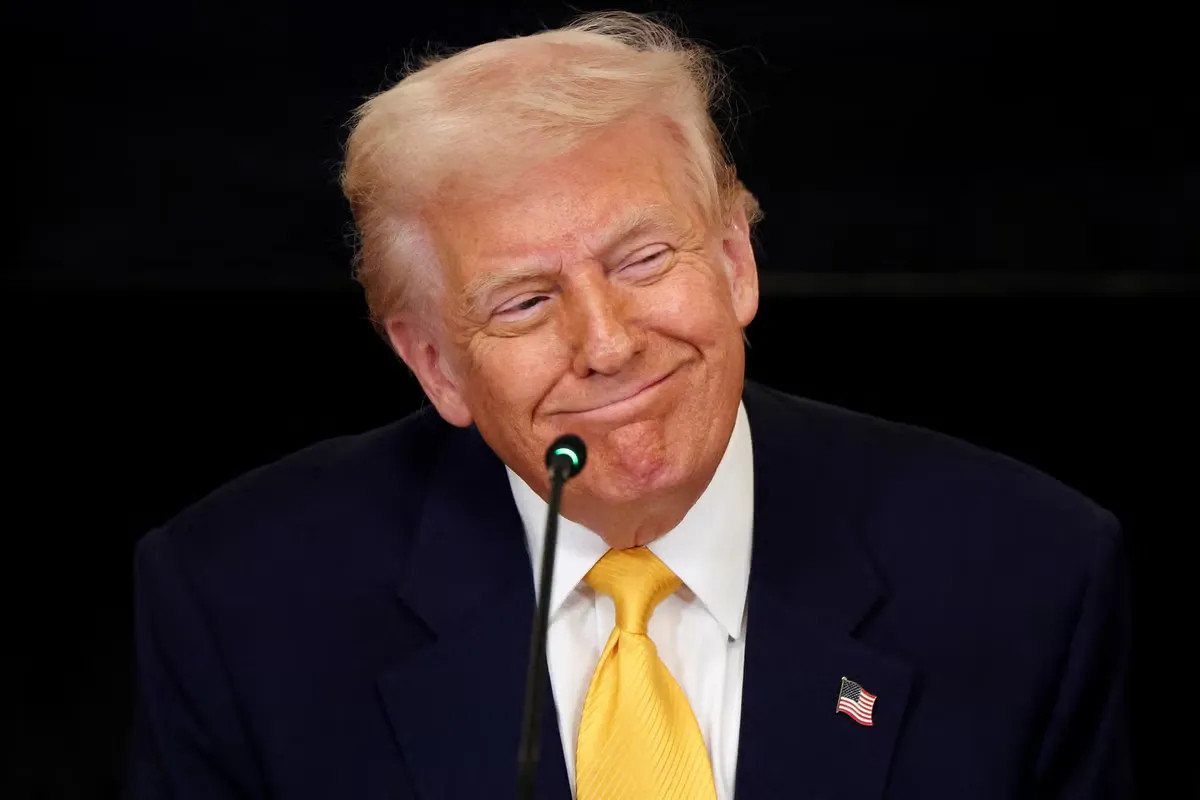
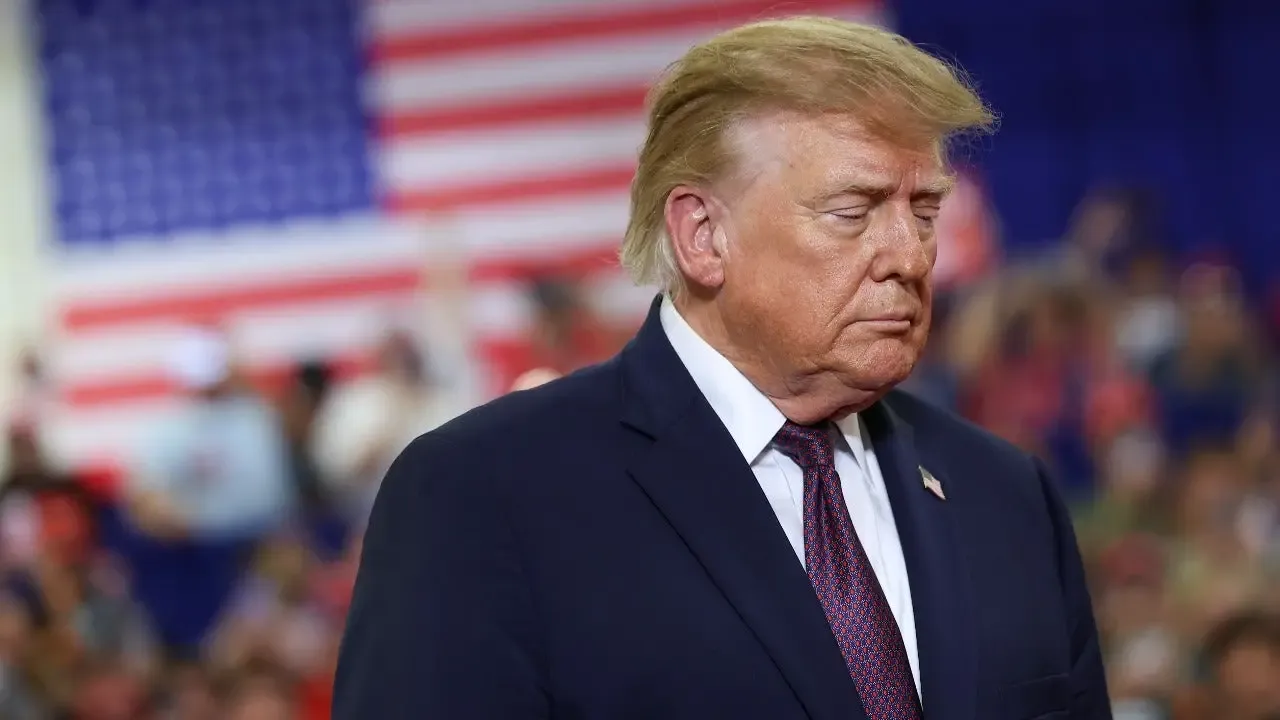
President Donald Trump said he drove the decision. In a phone interview with CNBC on 23 November he said: "I spoke to them. Let me put it this way: And I convinced them. I made the deal." White House communications director Steven Cheung said in a statement that "President Trump was totally involved" in the board's decision. Trump had urged Huang's reinstatement publicly before the board acted.
The mechanism, as the board describes it, was government reassurance rather than a new finding of fact. Nvidia said the board received input from senior levels of the United States government and relied on it to conclude there was no national security risk. The board also said its independent investigation into Huang and foreign intelligence would "proceed to conclusion" with Huang's cooperation, and that it had formed a National Security and Export Control Committee of independent directors.
Curtis asks who weighed in
Utah senator John Curtis pressed for the specifics behind that reassurance. In a post on X on 23 November he wrote: "Nvidia's board says it relied on input from senior U.S. officials to conclude that bringing Jensen Huang back posed no national security risk. I have some questions. Who in our government weighed in? What did they tell the board? And on what basis did the board conclude there was no risk?"
Curtis also counted the days. He said Huang was right to step down when the affair came to light, and that the board brought him back while its own independent investigation was still underway. He added that the board had said the previous week it did not intend to reinstate Huang, and that he wanted to know what changed. Nvidia has not said publicly which officials gave the input.
North Dakota senator Kevin Cramer framed the decision as a transfer of risk. He posted on X that the legal and reputational risk of hiring a chief executive who may very well be convicted in the United States or other nations of violating espionage and export control laws is now borne by the board of Nvidia, but the national security risk is passed along to the United States military and its citizens. He called for Congress to pass the strictest export controls possible.
Democrats promise investigations
The concern centres on Megaspeed, the Singapore-based data firm that employed Alice Huang, the former Nvidia customer executive with whom Jensen Huang had the affair. US intelligence has indicated that Megaspeed might have been diverting purchased Nvidia chips to China, which the company denies. Huang has not been charged with any crimes. Nvidia's board said it would hire a chief compliance officer to oversee compliance across the company and report to its governance committees.
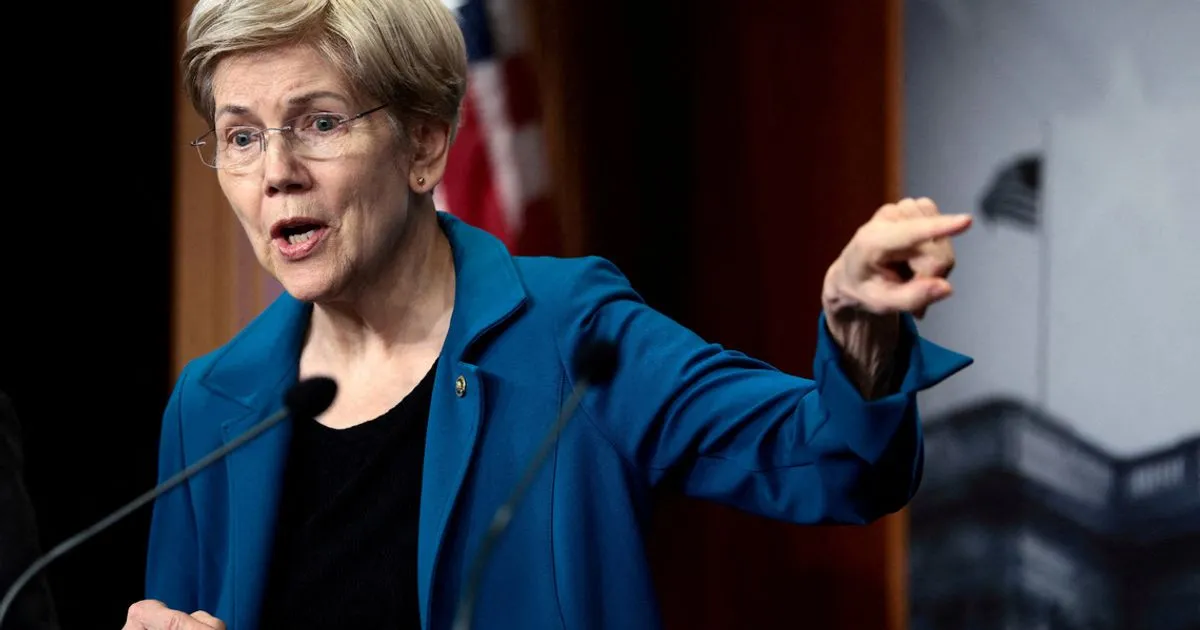
Democrats are also contesting the reinstatement. Senate Democratic Leader Chuck Schumer said Democrats will "wield their full power to investigate any wrongdoing by the Trump Administration, Jensen Huang, other NVIDI executives, and anyone selling our national security for financial gain." Senator Elizabeth Warren, the top Democrat on the Senate Banking Committee, said in a statement that Huang's reinstatement "doesn't change the fact" that Huang and Nvidia need to give Congress further answers about the company's compliance.
Frequently asked questions
Why did Senate Republicans object to Huang's reinstatement?
Pete Ricketts said Huang's behaviour does not support reinstatement; John Curtis asked who in government gave the board input and on what basis it found no risk; Kevin Cramer said the national security risk passes to the US military and citizens.
What did Donald Trump say about the Nvidia board's decision?
Trump told CNBC on 23 November: "I spoke to them. Let me put it this way: And I convinced them. I made the deal." White House communications director Steven Cheung said Trump "was totally involved".