OpenAI engineer arrested after two recording devices found in office
Abdulrahman Alfozan, 35, was arrested on October 9 and charged with intercepting oral communications after OpenAI security found a hidden recording device in an executive conference room on September 30, 2026.
 Photo: BleepingComputer
Key points
OpenAI engineer Abdulrahman Alfozan, 35, was arrested on October 9 and charged with illegally intercepting oral communications after two hidden recording devices were found in OpenAI's San Francisco offices.
Abdulrahman Alfozan, a 35-year-old Saudi engineer who had worked at OpenAI since July 2025, was arrested on October 9, 2026, and charged with illegally intercepting oral communications, the U.S. Department of Justice announced on Tuesday. OpenAI security personnel discovered a hidden recording device on September 30, 2026, plugged into a USB port behind a television in an executive conference room at the company's San Francisco offices.
The arrest matters because the conference room was regularly used for meetings involving confidential information about OpenAI's proprietary research, product plans, technical capabilities, business relationships, and government engagements, according to the Department of Justice. Alfozan was not authorized to attend meetings held there. If convicted, he faces up to five years in prison and a $250,000 fine, with three years of supervised release, according to prosecutors.
What the complaint alleges
OpenAI determined the device had been concealed in toilet paper, was installed around September 28, 2026, and contained encrypted data, the Department of Justice said. Security camera footage allegedly showed Alfozan near the conference room on multiple occasions despite not being authorized to attend meetings there. The complaint says he also used a productivity tool to search for information about OpenAI's offices, meeting rooms, executive locations, and meeting schedules.
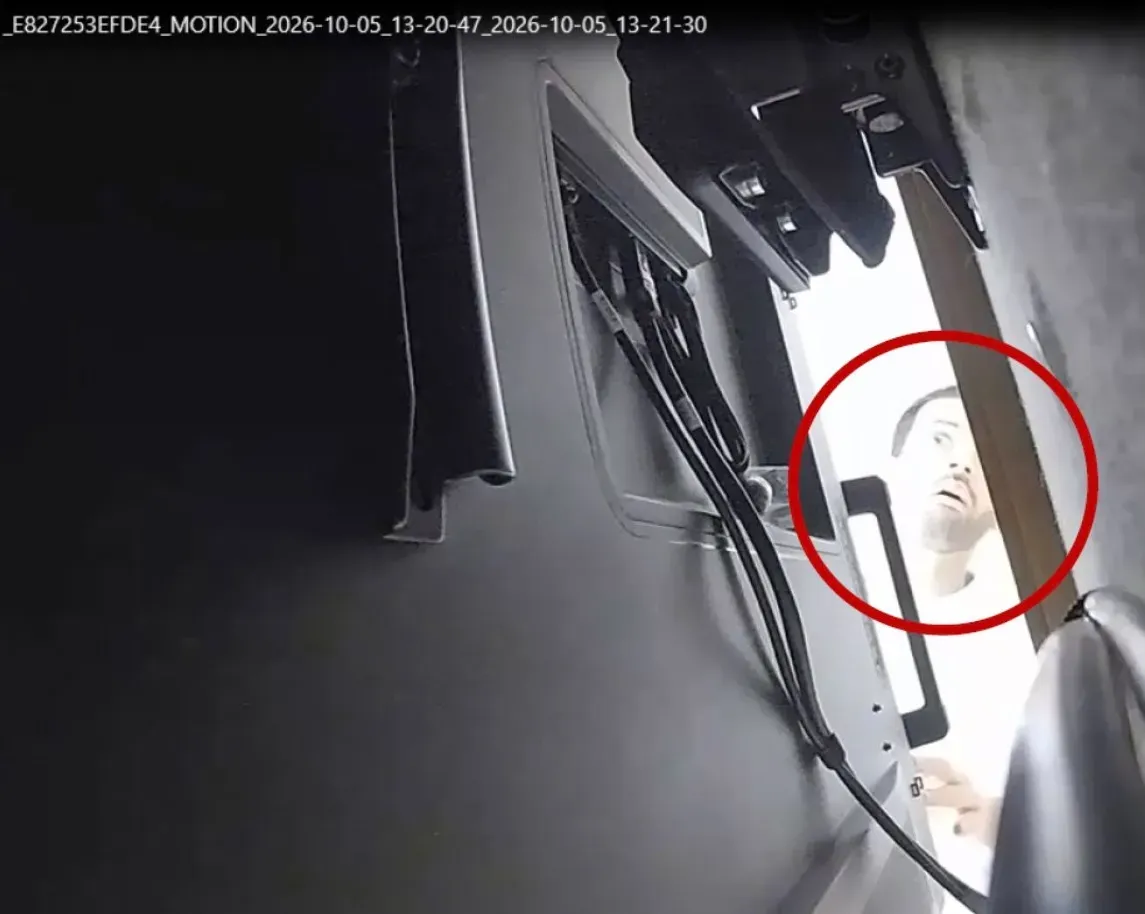
On October 5, 2026, surveillance footage allegedly captured Alfozan returning to the conference room and looking behind the television where the device had been installed. The complaint says that on the same day, OpenAI security employees discovered a second, similar recording device inside a bag Alfozan had left unattended in another room. Security personnel also found his wallet and identification inside the bag.
How OpenAI traced the device
In a statement posted on X, OpenAI said it used its own AI models to investigate the suspicious device and help identify the employee responsible. "We used our models to understand the device and where it had come from, identifying that a specific employee had planted it a few days earlier," the company said. OpenAI terminated the employee and referred the incident to the FBI.
OpenAI said it has no indications that Alfozan inappropriately accessed or exfiltrated model weights, source code, or customer data. The company described its security programme as designed to protect against a wide range of threat actors, from insider risks to cybercriminals to nation states, and called the case an example of how AI can help address sophisticated security threats. The FBI's investigation is ongoing.
Court appearance and custody
Alfozan made his first court appearance on Tuesday and has remained in custody since his arrest on Friday, October 9, 2026. The Department of Justice announced the arrest on Tuesday, October 13, 2026. If convicted, Alfozan faces up to five years in federal prison, a $250,000 fine, and three years of supervised release.
Frequently asked questions
Who was arrested in connection with the OpenAI recording device?
Abdulrahman Alfozan, a 35-year-old Saudi engineer who had worked at OpenAI since July 2025, was arrested on October 9, 2026, and charged with illegally intercepting oral communications, according to the U.S. Department of Justice.
How was the recording device discovered at OpenAI?
OpenAI security personnel found a recording device on September 30, 2026, plugged into a USB port behind a television in an executive conference room. The device was concealed in toilet paper, installed around September 28, and contained encrypted data.
What penalty does Alfozan face if convicted?
If convicted, Alfozan faces up to five years in federal prison, a $250,000 fine, and three years of supervised release, according to prosecutors.