Pakistan's first astronaut docks at Tiangong with Shenzhou-24 crew
Muhammad Zeeshan Ali, 40, docked at China's Tiangong space station on 25 November, the first foreign national to board it, after launching from Jiuquan.
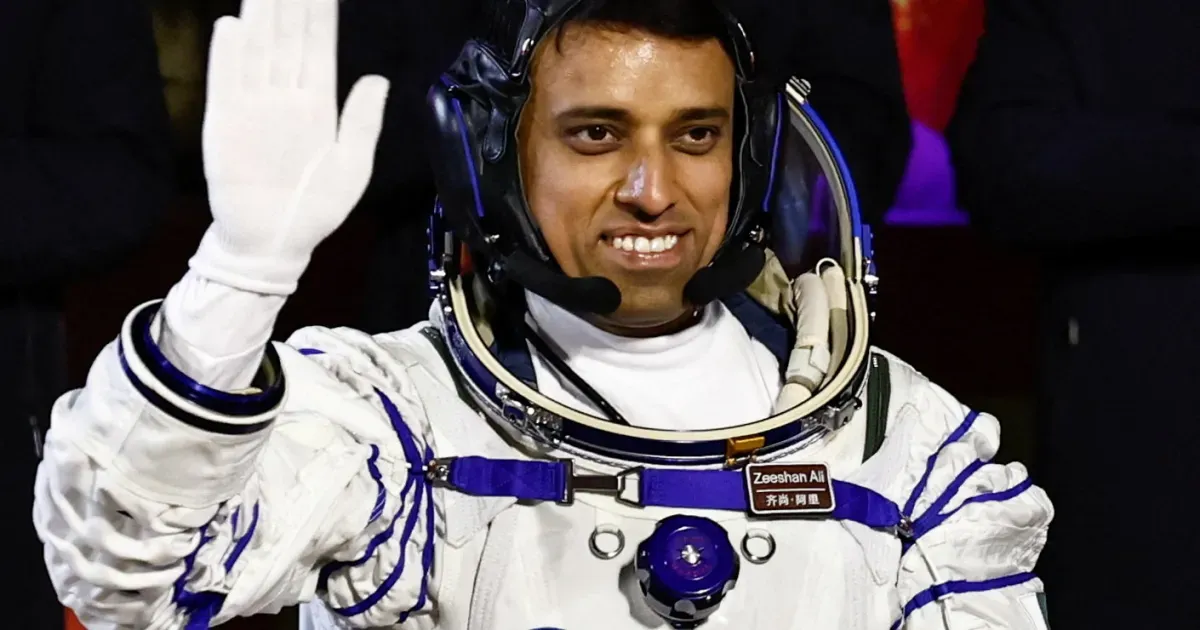 Photo: Al Jazeera
Key points
Pakistani astronaut Muhammad Zeeshan Ali docked at China's Tiangong space station on 25 November, the first foreign national to board it.
Pakistan's first astronaut, Muhammad Zeeshan Ali, docked at China's Tiangong space station on 25 November, becoming the first foreign national to board it. The China Manned Space Agency said the Shenzhou-24 spacecraft connected to the forward docking port of the Tianhe core module at 11:56am local time, about three hours and thirty minutes after launch.
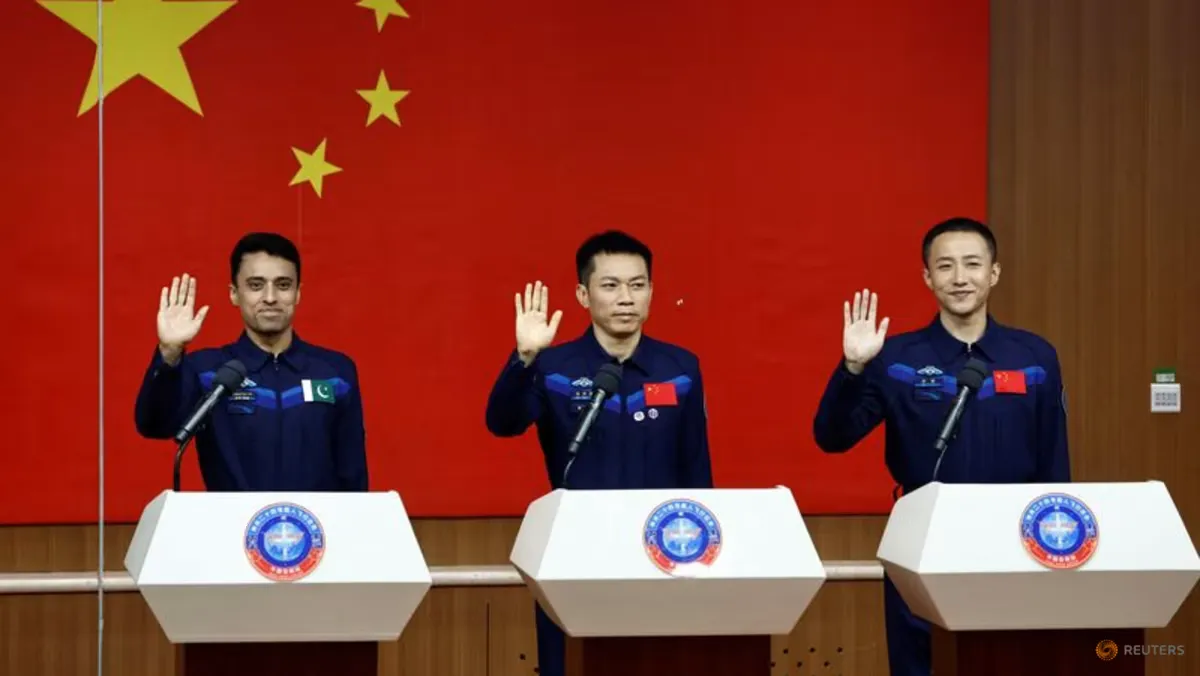
The flight is the first joint mission involving Chinese and foreign astronauts in the history of China's crewed space programme. Ali, a 40-year-old Pakistan Air Force pilot, flew as payload specialist alongside commander Tang Hongbo, 51, and flight engineer Wu Yi, 39. It was the first spaceflight for Ali and Wu; Tang has now flown three times.
A three-hour, thirty-minute docking
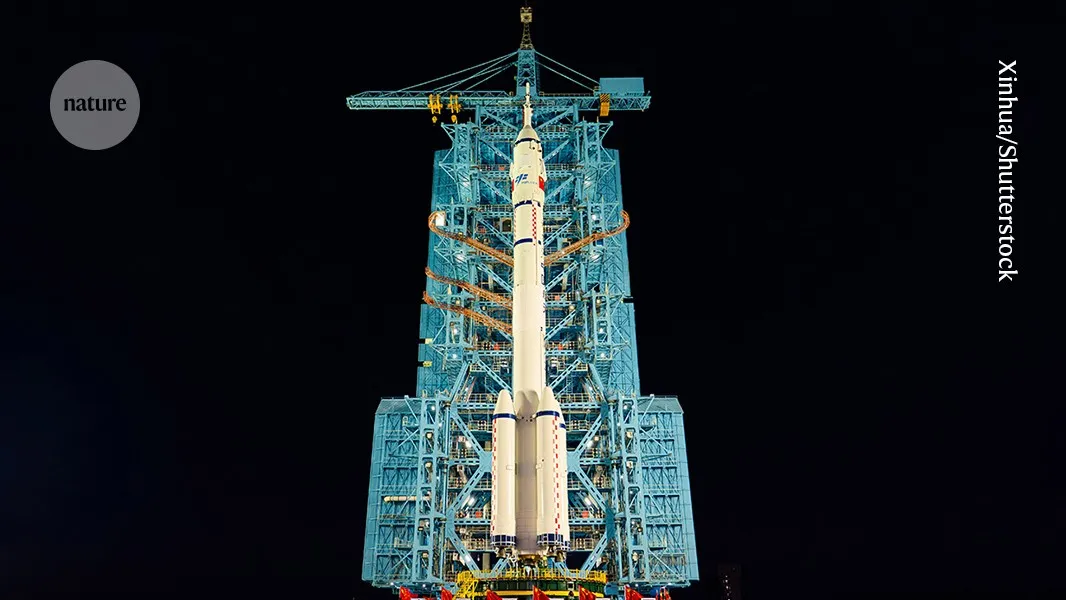
The Long March 2F carrier rocket lifted off from the Jiuquan Satellite Launch Centre in Gansu province at 8:18am local time on 25 November. Shenzhou-24 separated from the rocket about 10 minutes after launch and entered its scheduled orbit, according to the China Manned Space Agency. The docking took about three hours and thirty minutes in total.
In Islamabad, students and stargazers packed the auditorium at the headquarters of the Pakistan Space and Upper Atmosphere Research Commission before dawn to watch the launch. The audience rose row by row and sang the national anthem as the rocket lifted off, then fell silent for several minutes until hosts confirmed the launch had succeeded.
Chinese President Xi Jinping and Pakistani President Asif Ali Zardari exchanged congratulatory letters. Xi said the friendship between the two countries had been "as firm as a rock" over the 75 years since diplomatic ties were established, and called the joint flight a vivid demonstration of that friendship. Zardari said the cooperation demonstrated China's achievements in space science and technology.
Letters between presidents
Pakistan's Prime Minister Shehbaz Sharif congratulated the nation, writing on X that the mission was "not just one astronaut's journey, but the journey of 240 million Pakistanis." He thanked China for including the Pakistani astronaut. Planning minister Ahsan Iqbal told reporters at the centre that he hoped the flight would begin greater cooperation, and said of independent Pakistani spaceflight: "Certainly that day will come."
The joint flight is part of an agreement China and Pakistan signed in February 2025. Ali will conduct a photosynthetic cyanobacteria experiment in orbit during his short-term mission before returning to Earth aboard the Shenzhou-23 spacecraft. He will return alongside Zhang Zhiyuan and Li Jiaying, who have been on Tiangong since May, while Zhu Yangzhu remains for a long-term stay experiment.
The crew will carry out more than 90 scientific experiments and technology tests, covering space life science, human research, microgravity physics and new space technologies, according to China's Xinhua News Agency. The mission also includes joint scientific experiments pursued by China and foreign nations, the China Manned Space Agency said. Ali will take part in station operations alongside the Chinese astronauts.
Ninety experiments in orbit
At a news conference on 24 November, Tang said differences in language, culture and psychology had made learning to work together more challenging on this mission, but that both sides' efforts were paying off. Ali demonstrated his Mandarin, citing a line of Chinese poetry about climbing one storey higher to see farther: "It's like my daily training. Day after day, reaching new heights."
The launch was the eighth crewed spaceflight mission since China entered the utilisation and development stage of its space station, and the 41st launch mission since its crewed space programme began. With this flight, China has sent a total of 32 astronauts into space, consisting of 31 Chinese nationals and one foreign national, the China Manned Space Agency said.
China is preparing for its first crewed lunar landing by 2030, while NASA aims to land astronauts on the lunar surface in 2028. Speaking in English, Ali said he hoped the next chapter of space cooperation between the two countries would go from one astronaut in one flight to multiple joint flights and to the Moon, Mars and beyond. The Shenzhou-24 astronauts entered the interior of Tiangong that afternoon to meet the Shenzhou-23 crew who have been staying in space since May. Ali's mission is expected to last several days before he returns to Earth aboard the Shenzhou-23 spacecraft with Zhang Zhiyuan and Li Jiaying.
Frequently asked questions
Who is Pakistan's first astronaut?
Muhammad Zeeshan Ali, a 40-year-old Pakistan Air Force pilot, flew on Shenzhou-24 as payload specialist. He became the first foreign national to board China's Tiangong space station, docking on 25 November.
When did Shenzhou-24 dock at Tiangong?
The China Manned Space Agency said Shenzhou-24 connected to the forward docking port of the Tianhe core module at 8:56am local time on 25 November, after launching from Jiuquan.
What will the Shenzhou-24 crew do in orbit?
The crew will conduct more than 90 scientific experiments and technology tests in space life science, human research, microgravity physics and new space technologies. Ali will run a photosynthetic cyanobacteria experiment before returning aboard Shenzhou-23.