Paraguay's ousted president appears before prosecutors over bank collapse
Santiago Peña, impeached after Ueno Bank's collapse, appeared before prosecutors on Saturday and was charged with breach of trust and mismanagement.
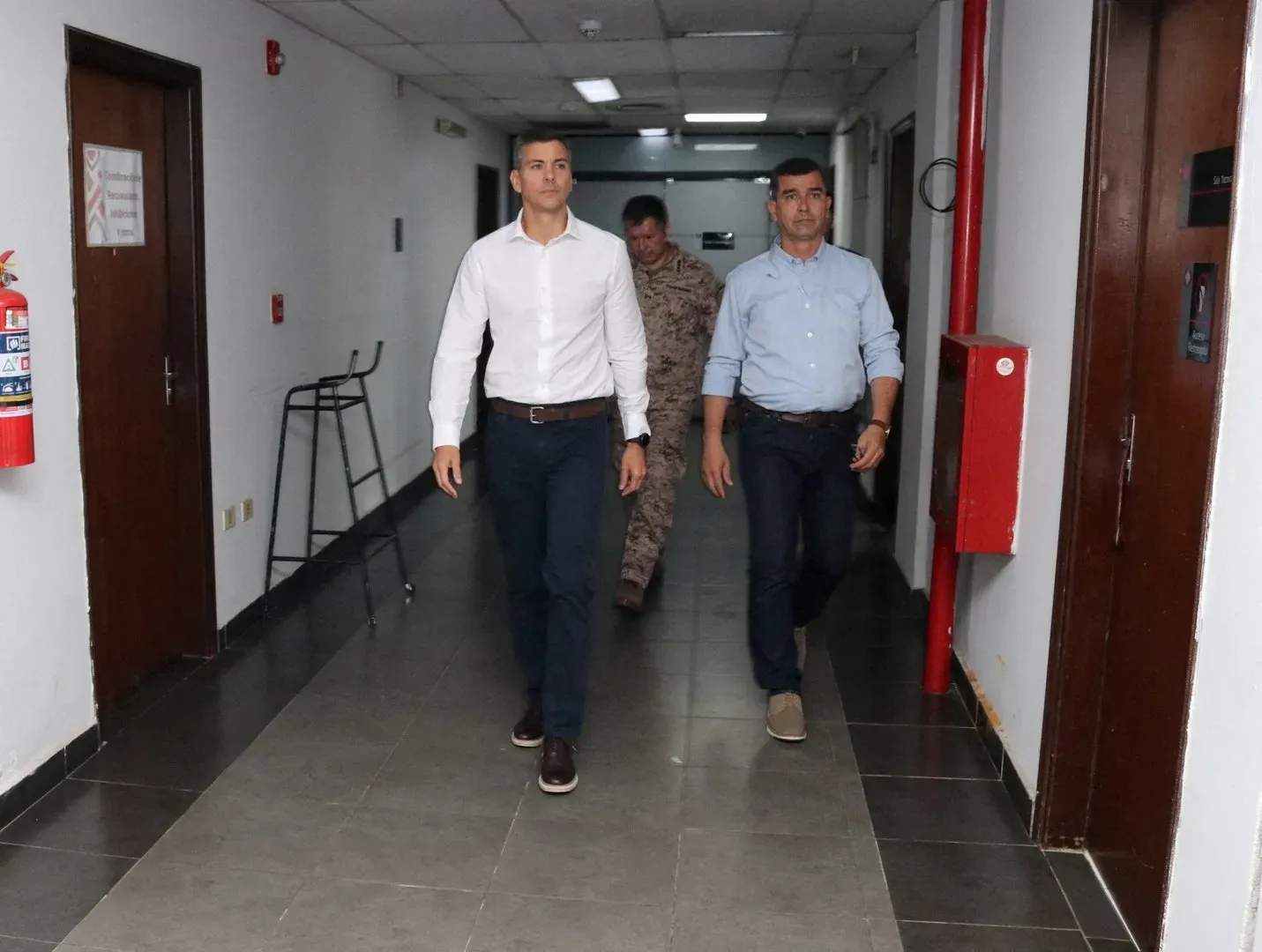 Photo: Al Jazeera
Key points
Paraguay's ousted president Santiago Peña was charged with breach of trust and mismanagement after appearing before prosecutors on Saturday.
Paraguay's ousted president, Santiago Peña, appeared before prosecutors on Saturday and was charged with breach of trust and mismanagement for personal gain, according to an indictment read during the proceedings. The 47-year-old economist was detained after his impeachment on Friday, following the collapse of Ueno Bank, a digital lender that served nearly half of Paraguay's 6.5 million people. Prosecutors grilled him for about three hours over his links to the bank, where he held shares in the controlling company until last year.
The Senate removed Peña from office on Friday, three days after the central bank seized Ueno Bank. Lawmakers unanimously found him guilty of malfeasance in office, according to the Senate's website. He had offered to resign on Thursday, but legislators refused and impeached him instead, stripping him of the immunity he would have enjoyed had he stepped down. He spent Friday night in custody and was ordered to remain at one of his homes in Asunción until his appearance before prosecutors.
Charges and custody
Prosecutors asked that Peña be remanded in preventive custody and that his assets and those of former Central Bank president Carlos Carvallo, charged with the same offenses, be frozen. Carvallo, a former president of Ueno, was set to be questioned later Saturday. The charges against Peña include breach of trust, influence peddling and using public office for personal gain, the most serious of which carry up to 10 years in prison. Lawmakers accuse him of using his political influence to steer hundreds of millions of dollars in public funds into Ueno while regulators overlooked risky insider lending.
The indictment stated that between 2023 and 2026, Ueno Bank allegedly received deposits and loans from public and pension entities and also granted loans to companies linked to the bank's economic group in an irregular manner. Peña has denied any wrongdoing. In a speech posted to social media, he said, "I want to apologize to the Paraguayan people if I have failed you." The collapse of Ueno, which handled accounts of several state entities and state pensions, rocked usually stable Paraguay and set off the country's worst political crisis in more than a decade.
Regulators seized Ueno Bank on Tuesday because its solvency ratio, an assessment of a company's long-term financial viability, no longer met legal standards. When the seizure happened, Ueno customers could no longer withdraw cash, access their savings or use their cards to buy anything. The digital lender had aggressively courted the poor and unbanked with generous supermarket rebates, and more than 1 million Paraguayans opened their first bank account there, according to Ueno. Even players on the national soccer team, which Ueno sponsored through its run to a World Cup upset of Germany this year, say they can't reach their money.
Bank collapse fallout
Thousands of people took to the streets in Asunción, the capital, demanding their money back. Protesters gathered outside Peña's home to demand he be sent to a regular prison. "We want to see the person responsible for this tragedy in jail. Jail for Pena!" Macarena Chilavert, a 33-year-old lawyer, said near the prosecutor's office. The fallout spread beyond savers: a ride-hailing app that relied on Ueno shut down, leaving 3,000 drivers without work. The state power company says $21 million in loans from the Inter-American Development Bank and Taiwan, earmarked for public works, is trapped at the bank.
Some depositors began recovering their money Thursday, starting with those holding up to 10 million guaraníes (about $1,500). Deposits are insured up to about $35,000, which the central bank says covers 97% of Ueno's customers. The central bank said it had begun making advance payments to an unspecified number of depositors. It calls the collapse an isolated case and insists the broader financial system is safe. Paraguay's bonds have posted some of the worst losses in emerging markets this week, and the guaraní has slid against the dollar.
Peña was succeeded by former vice president Pedro Alliana, who was sworn in as president to serve out the rest of Peña's term until August 2028. Alliana, from the same right-wing Colorado Party, promised not to abandon the almost three million depositors, including pensioners, affected by Ueno's demise. In a speech on Friday, he announced he would take action to compensate people whose money was lost in the bank's collapse. The news that Alliana would take over angered some demonstrators. "He's from the same team, he knew about it," Edson Vazquez said.
Political succession
Peña's removal is a further blow for US President Donald Trump's network of allies in South America. Trump's favorite for Brazilian president, Flavio Bolsonaro, was defeated by left-wing incumbent Lula Inacio Lula da Silva last month. The United States called Paraguay a "strategic partner, friend and ally" and said Washington looked forward to working with Alliana. The last president ousted from office was Fernando Lugo in 2012.
Alliana will serve out the remainder of Peña's term, which ends in 2028. The central bank's seizure of Ueno and the subsequent impeachment have left millions without access to their money, and the political crisis continues to unfold. Peña's appearance before prosecutors on Saturday marks the next step in the legal process, with Carvallo's questioning scheduled for later that day. The case has drawn international attention, with the United States expressing support for Paraguay's new leadership while the country's financial system remains under strain.
Frequently asked questions
What charges does Santiago Peña face?
Peña was charged with breach of trust and mismanagement for personal gain, as well as influence peddling and using public office for personal gain. The most serious charges carry up to 10 years in prison.
Why was Ueno Bank seized?
The central bank seized Ueno Bank on Tuesday because its solvency ratio, an assessment of long-term financial viability, no longer met legal standards. The collapse left nearly half of Paraguay's population locked out of their accounts.
Who is the new president of Paraguay?
Pedro Alliana, the former vice president, was sworn in as president to serve out the rest of Peña's term until August 2028. He promised to compensate people whose money was lost in the bank's collapse.