Western Cape High Court sets aside Phala Phala Section 89 report
A full Bench of the Western Cape High Court ruled the Section 89 panel report unlawful in its entirety on 25 November, dissolving Parliament's impeachment committee and opening the way to appeal.
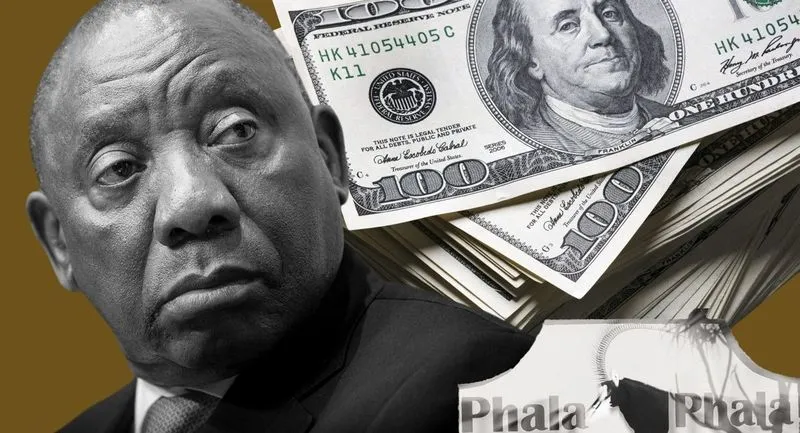 Photo: Daily Maverick
Key points
The Western Cape High Court set aside the Section 89 Phala Phala report as unlawful in its entirety on 25 November, dissolving Parliament's impeachment committee.
The Western Cape High Court set aside the Section 89 independent panel report on Phala Phala in its entirety on 25 November, ruling in favour of President Cyril Ramaphosa. Judge President Nolwazi Mabindla-Boqwana delivered the unanimous full Bench judgment, which declared the 2022 report unlawful and reviewed and set aside any steps the National Assembly had taken under it.
The ruling removes the legal basis for the impeachment committee that Parliament had convened after the Constitutional Court revived the process. The committee ceased to exist when the judgment was delivered, and the National Assembly must now decide how to record that outcome. The decision settles the legal status of the report while leaving the political dispute over the farm theft unresolved.
What the judgment sets aside
The court found that the panel went beyond its lawful remit, asked itself wrong questions and made several material errors of law. It framed its task as examining the alleged defects in the processes the panel followed and whether those defects established unlawfulness. On that basis it concluded the report could not stand and set it aside together with the steps taken under it.
The panel, led by former Chief Justice Sandile Ngcobo, had been asked to decide whether there was a prima facie case of serious misconduct against the President. Ramaphosa argued that it applied the wrong legal test and misunderstood the scope of its mandate, treating a preliminary assessment as a deeper examination of the allegations. The court accepted that the panel misconstrued its function.
The dispute began with a theft at Ramaphosa's Phala Phala farm in Limpopo. A Sudanese businessman was said to have bought buffalo from Ramaphosa in December 2019 for $580,000 in cash, which was kept in sofa cushions because too many people had access to the safe. The money was stolen on 9 February 2020, and the deal was never finalised with veterinary and export permits.
How the case reached court
The Section 89 report, published in late November 2022, found that Ramaphosa had a case to answer. On 13 December 2022 the African National Congress used its parliamentary majority to vote the report down. The Economic Freedom Fighters returned to court, and in May 2026 the Constitutional Court set aside that vote and the parliamentary rule that allowed it, which revived the impeachment process.
Later in May 2026 Ramaphosa launched his review of the report. When the impeachment committee declined his request to pause proceedings, he obtained an interdict in July 2026 against public impeachment hearings. The High Court heard argument in September and reserved judgment before delivering its ruling on 25 November. The African National Congress welcomed the judgment, saying it "finally puts to rest a matter that affected the highest office in the land which impugned upon the dignity of the President and his oath of office". The party holds the majority that would decide any parliamentary response to the ruling, and the Speaker, Thoko Didiza, has agreed to abide by the court's adjudication on how Parliament conducts its business.
Appeal plans and next steps
Opposition parties have not accepted the outcome. Vuyolwethu Zungula, leader of the African Transformation Movement, brought the impeachment motion in July 2022 and said after the judgment that the truth and facts of Phala Phala since 2022 had not been established. He said it was Parliament's duty to establish those facts and that one law existed for Ramaphosa and another for the rest of South Africa.
Zungula said his party was engaging with lawyers for the purpose of appealing and would engage with other parties. The losing side is a group of political parties, and an appeal is available to them even though Parliament itself has agreed to accept the ruling. Any appeal would reopen the legal question of how far a Section 89 panel may go in assessing allegations against a sitting President.
The criminal side of the case has moved separately. Imanuwela David was found guilty of the theft earlier in November, alongside Froliana Joseph, who worked on the farm. The South African Reserve Bank found no exchange control violations in its August 2023 report, and the tax authorities and the Public Protector also found no wrongdoing on Ramaphosa's part.
The former impeachment committee had been due to meet on 26 November, and discussions on whether to go ahead were continuing on the afternoon of the ruling. Its former chairperson, Rise Mzansi MP Makashule Gana, had asked parliamentary legal services to prepare advice on the evidence leader. The committee's remaining business is now limited to sharing that advice rather than choosing a leader.
Frequently asked questions
What did the Western Cape High Court rule on Phala Phala?
It declared the Section 89 independent panel report unlawful in its entirety and set it aside, together with any steps the National Assembly took under it. Judge President Nolwazi Mabindla-Boqwana delivered the unanimous full Bench judgment on 25 November.
Why did the court set aside the Section 89 report?
The court found the panel went beyond its lawful remit, asked itself wrong questions and made several material errors of law. Ramaphosa had argued the panel applied the wrong legal test and misunderstood the scope of its mandate.
What happens to the impeachment committee now?
The committee ceased to exist when the judgment was delivered. It had been due to meet on 26 November, and discussions on whether to proceed were continuing, with its remaining business limited to sharing legal advice on an evidence leader.