Poland constitutional court chief suspended amid political unrest
On 30 October 2026, Poland’s top court president was suspended by a judge, triggering protests and a presidential return from Senegal.
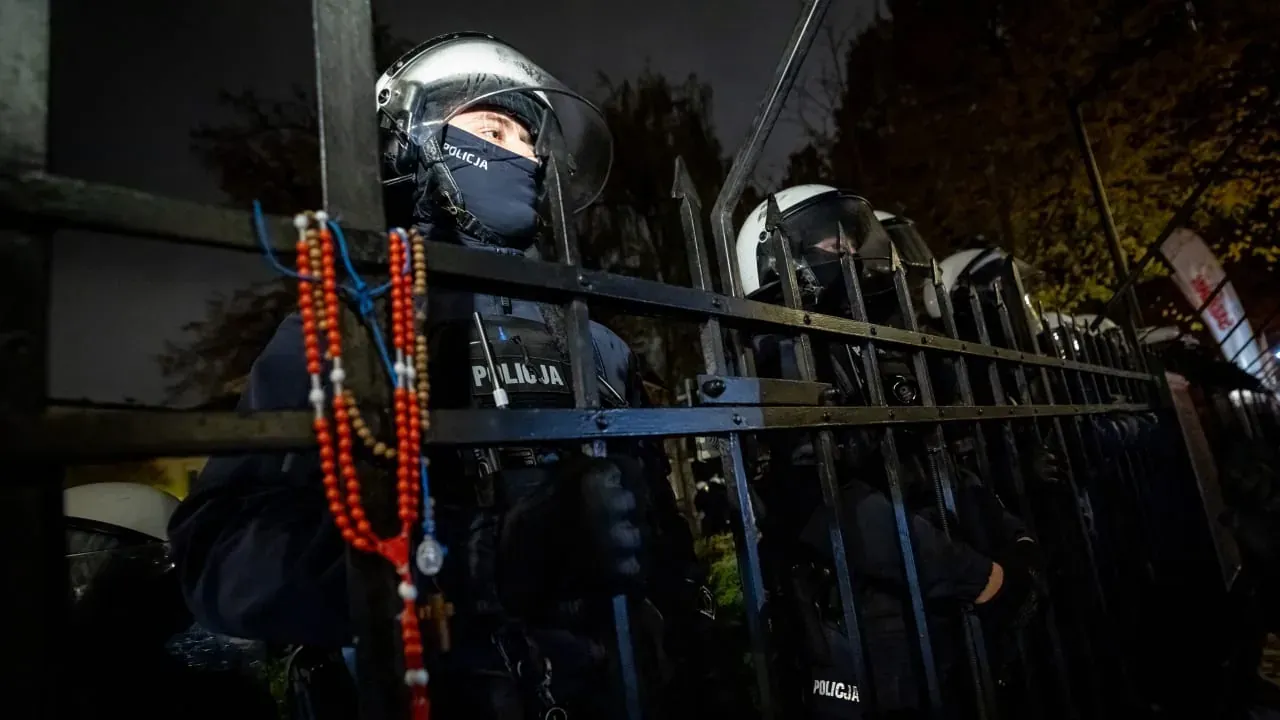 Photo: The Jerusalem Post
Key points
Poland’s constitutional court president was suspended by a rival judge on 30 October 2026, sparking protests and a presidential return from Senegal.
Poland’s constitutional court descended into turmoil on 30 October 2026 as judges barred from hearing cases moved to oust the institution’s leadership. Anna Korwin-Piotrowska, a judge with the court, ordered its president Bogdan Święczkowski and his deputy to be suspended for a month and announced she was taking charge. Święczkowski rejected her authority, accusing those involved of a coup d’état, while his deputy was turned away at the building’s gates.
The showdown marks an escalation in Prime Minister Donald Tusk’s struggle to undo the judicial overhaul carried out by the nationalist Law and Justice former government. During its eight years in power, the party filled the Constitutional Tribunal with its appointees, including Święczkowski and his deputy, placing it at the heart of Poland’s confrontation with Brussels over the rule of law. This conflict has persisted since the current government took office in 2023.
Judges move to oust leadership
The tribunal, which can strike down legislation, helped impose a near-total abortion ban under the previous administration and challenged the supremacy of European Union law. Last December, the European Union’s top court ruled that it failed to meet European standards of judicial independence. Efforts to change the court’s makeup have met resistance from President Karol Nawrocki, who refused to swear in five judges elected by Tusk’s parliamentary majority.
Justice Minister Waldemar Żurek blamed the turmoil on Święczkowski, who he accused of turning the institution into his private fiefdom and preventing newly elected judges from doing their jobs. Żurek said he submitted five requests to lift the immunity of Święczkowski and his deputy, backed by 50 volumes of case files. He defended Korwin-Piotrowska’s move as a decision by a legally appointed judge, insisting that the government had nothing to do with it.
Outside the tribunal, protesters clashed with police, who said objects had been thrown at officers and three people detained after climbing over the court’s fence. Riot police were deployed to maintain security following warnings of threats to judges and staff, but had not entered the building. PiS leader Jarosław Kaczyński took part in the protest and tried to force his way into the court building, accusing Tusk of staging a coup.
Police deploy amid clashes
President Karol Nawrocki, a PiS ally and rival of Tusk, interrupted his official trip to Senegal to return to Warsaw immediately. He declared on social media that at a moment like this, the president must be in Poland. Nawrocki had been flying to Senegal for a state visit when the suspension was announced. He is aligned with the opposition and has previously blocked Tusk’s nominations to the court.
Tusk was defiant in his response to the events, writing that restoring the rule of law is our duty. He stated that after years of PiS lawlessness, it is a difficult, sometimes painful process that requires decisive action. Tusk argued there is no other way to resolve the standoff. His government has been trying to force out the court’s judges, who were appointed by the previous right-wing government.
The legal basis for the suspension remains disputed among constitutional scholars. Marcin Matczak, a prominent scholar of constitutional law, wrote on social media that the justice minister cannot exercise oversight over the Constitutional Tribunal. He argued the legal basis for suspending Święczkowski is nonexistent for a million reasons. The court’s official website stated that a break in the activities of Święczkowski and his deputy had been ordered.
Legal basis disputed by experts
Anna Korwin-Piotrowska could not become interim chief as she had not been sworn in by the president, according to the court’s official social media account. The account also claimed there had been a coup d’état and that Święczkowski remained in office. Supporters of the former ruling party gathered outside the court, chanting slogans against Tusk and holding religious images during the demonstration.
Poland deploys riot police after court chief’s suspension marks a critical moment in the country’s judicial crisis. The government has been trying to force out the court’s judges, who were appointed by the previous right-wing government of the nationalist Law and Justice party. Dozens of police guarded the entrance to the building as followers of the now opposition party gathered for a demonstration over the ousting of court president Bogdan Święczkowski.
Frequently asked questions
Who ordered the suspension of the constitutional court president?
Judge Anna Korwin-Piotrowska ordered the suspension of court president Bogdan Święczkowski and his deputy for one month on 30 October 2026.
Why did President Karol Nawrocki return from Senegal?
President Karol Nawrocki cut short his official trip to Senegal to return to Warsaw immediately following the suspension of the constitutional court president.
What legal basis was used for the suspension?
The suspension cited article 130 of the law on common courts, though constitutional scholars argue this law does not apply to the Constitutional Tribunal.