Pope Leo XIV submits mail-in ballot for U.S. midterm elections
The Vatican confirmed Friday that the Chicago-born pontiff cast a vote in the November 3 midterm elections in the United States.
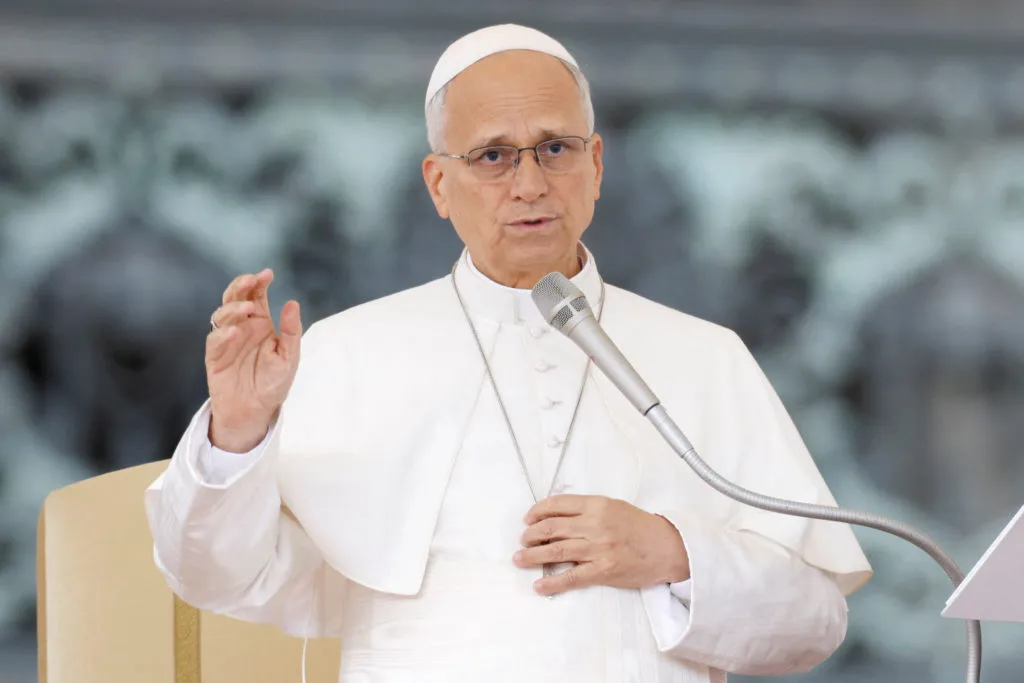 Photo: PBS News
Key points
Pope Leo XIV has become the first pontiff to vote in a U.S. election by submitting a mail-in ballot in Chicago.
Pope Leo XIV has become the first pontiff to vote in a U.S. election. The Vatican confirmed on Friday that the American-born pope submitted a mail-in ballot in his native Chicago ahead of the November midterm elections. The Holy See press office stated he exercised his right as a United States citizen whenever he was eligible to do so.
The Vatican confirms the vote
The Holy See press office issued a statement confirming the action. It said the pope voted as a citizen and had done so whenever he had the opportunity. The statement noted he sent his ballot by mail to Chicago in keeping with his well-established practice of civic participation. Leo holds both U.S. and Peruvian citizenship. The Vatican said he also voted while living in Peru whenever he was eligible. He lived there as a missionary priest and bishop for over 20 years. The Holy Father expressed his belief in the right and the duty of citizens to participate in democratic processes.
History of civic engagement
Records from the Illinois State Board of Elections show Prevost voted in five primary elections since 2000. He requested Democratic ballots in 2008 and 2010 and Republican ballots in 2012, 2014 and 2016. He submitted ballots in every general election since 2000 except those in 2020 and 2022. Illinois has closed primaries meaning voters must declare a party preference to receive a ballot. No such declaration is required in general elections. The records do not show which candidates he supported in those general elections. His registration was at a New Lenox address in Will County.
U.S. federal law allows citizens living abroad to vote via absentee ballot even if working for foreign governments. Americans working for foreign governments are not automatically at risk of forfeiting their U.S. citizenship. The U.S. State Department says it may review the citizenship status of Americans serving as a foreign head of state.
Political context and tensions
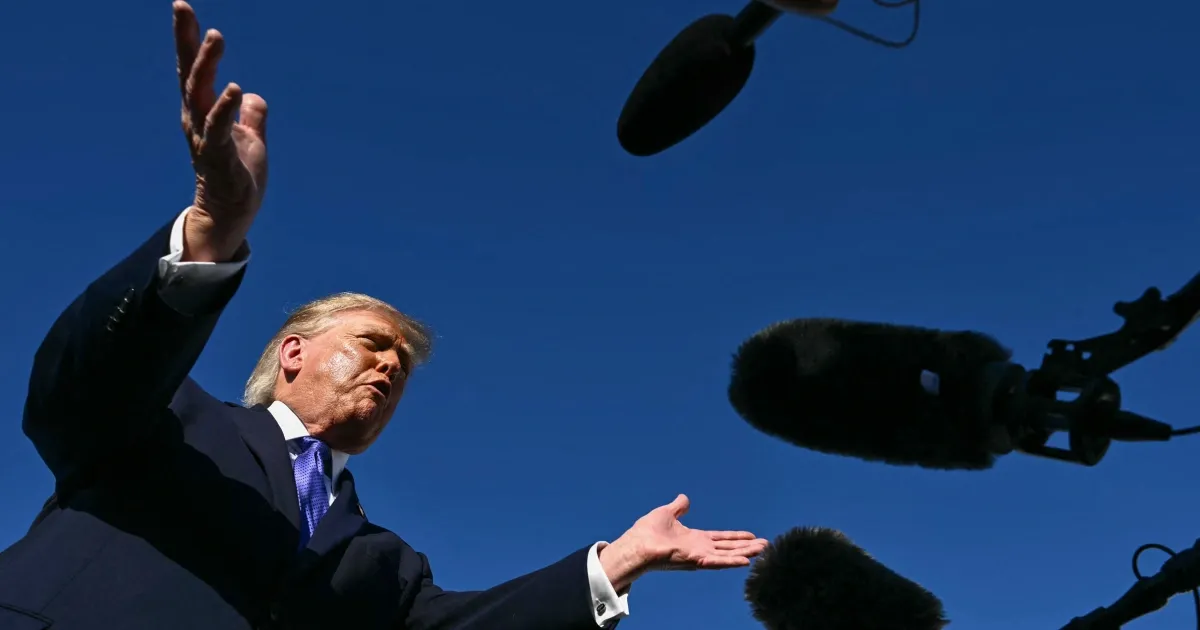
Next week's midterms have been widely interpreted as a referendum on Trump's record in office. Current polling suggests opposition Democrats are on course to win back the majority in the House of Representatives. President Donald Trump is not on the ballot but has campaigned hard to try to preserve Republican control.
Leo has drawn criticism from Trump for repeatedly condemning the U.S.-Israeli war and calling for dignified treatment of immigrants. Earlier this year Trump called Leo weak and captive to the radical left. Leo told reporters he is not afraid of the Trump administration or of speaking out loudly about the message of the Gospel.
The public dispute has subsided in recent months. The Vatican foreign minister said they try to let things pass if there are misunderstandings. Leo and Trump have not spoken by phone since the pope's May 2025 election but the Holy See has found a capable conduit in the U.S. State Department.