Russia and Ukraine agree to include Europe in next talks
Russia and Ukraine agreed on 12 November to expand peace negotiations to include European countries, US envoy Jared Kushner said.
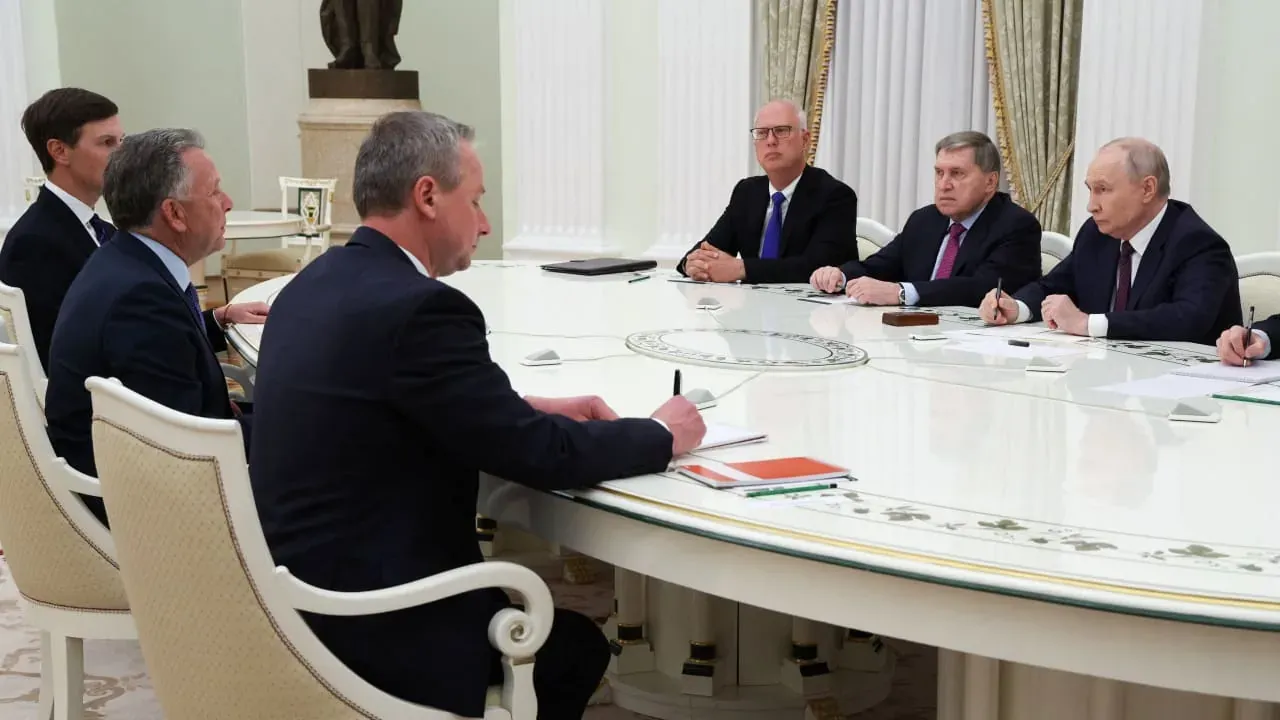 Photo: The Jerusalem Post
Key points
Russia and Ukraine agreed to include European countries in the next round of peace talks, US envoy Jared Kushner said.
Russia and Ukraine have agreed to expand the next round of peace negotiations to include European countries, Jared Kushner, a special envoy and son-in-law of US President Donald Trump, said on Thursday after separate meetings with Russian President Vladimir Putin and Ukrainian President Volodymyr Zelensky. Kushner and fellow US envoy Steve Witkoff met Putin in Moscow before travelling to Dublin, where they met Zelensky. Kushner said no agreement to end the Russia-Ukraine conflict could be reached without Europe's participation, adding that the US side had made "meaningful progress" on understanding both sides' concerns, identifying possible solutions and establishing a path forward.
Kushner announces expansion
He said both Russia and Ukraine have now agreed to expand the next round of talks to include other European countries, a move that will "make it possible to address broader issues concerning Europe's postwar security arrangements alongside territorial issues between Ukraine and Russia." Zelensky, who attended the ninth European Political Community summit in Dublin on Thursday, called on Europe to become a formal participant in the negotiations. Following his talks with the US side, the Ukrainian president said Russia and the United States had agreed to what would be the largest prisoner exchange since the conflict began. Kushner added that several thousand captives are expected to be released.
The Kremlin said on Friday that Russia would be open to European countries taking part in Ukraine peace talks if it saw they were ready to contribute to the peace process. However, Russia quickly contradicted the assurance, with lead negotiator Vladimir Medinsky saying it was "unclear what there is to discuss" with Europe.
Europe's security concerns
European leaders have long said they will support Ukraine in any peace talks, but want to see a ceasefire before negotiations. They also stress the continent has an extensive web of security agreements that Russia has violated. German Chancellor Friedrich Merz said: "Russia wants to talk about questions of a European security architecture. We do not need to discuss that; it already exists."
EU foreign policy chief Kaja Kallas warned against "walking into the traps that Russia is setting" as she said Moscow was trying to start a debate about European security in order to divert attention from its aggression. "We have one aggressor and one victim, and the aggressor does not have security concerns," she said on arrival at an EU leaders' summit in Dublin.
The developments came after a two-day round of trilateral talks between Russia, the United States and Ukraine concluded Wednesday in Abu Dhabi. The parties reached agreement on the prisoner swap, but major differences remain on key issues including ending the conflict, territorial disputes, security guarantees for Ukraine and Europe's future security architecture.
Who speaks for Europe
The US call to involve Europe in talks has turned the spotlight on who would represent it. Despite more than two years of on-off talks, the EU has not settled on a choice. Paris and Berlin support a continued role for their own envoys in the E3 format of Britain, France and Germany, alongside EU representatives. Smaller member states put the emphasis more firmly on the EU representatives: the European Council's president, António Costa, and Kallas.
Sweden's prime minister, Ulf Kristersson, said the discussion on who should represent Europe was "slightly overstated" as it had differing interests. He said: "I am quite flexible on that. I think what we actually say is more important than the exact configuration of the people in the room." Several at the summit, including Kallas, also pointed to the importance of including the UK, a founder member of the coalition of the willing.
Forty European countries, meeting as a broader group in Dublin on Thursday, signed a declaration saying that any matter affecting European security should be decided with the involvement of Europeans. EU leaders broadly agreed that Europe needed to speak with one voice, but did not settle on a single individual to do so. Merz said discussions would continue.
The next round of negotiations will include European partners, Kushner said late Thursday. He had earlier signaled some "really incredible" postwar plans for Ukraine, saying that it could not be concluded without Europeans at the table. The talks are expected to address broader issues concerning Europe's postwar security arrangements alongside territorial issues between Ukraine and Russia.
Frequently asked questions
What did Russia and Ukraine agree on regarding Europe in peace talks?
Russia and Ukraine agreed to expand the next round of peace negotiations to include European countries, according to US envoy Jared Kushner. The move aims to address broader issues concerning Europe's postwar security arrangements alongside territorial issues.
Why are European leaders concerned about Russia's calls for a new security architecture?
European leaders, including EU foreign policy chief Kaja Kallas, see Russia's calls as an attempt to divert attention from its aggression. They argue that a European security architecture already exists through NATO and the EU, and that Russia has violated these agreements.
Who will represent Europe in the expanded peace talks?
The EU has not settled on a single representative. France and Germany support the E3 format with Britain, while smaller states favor EU representatives like António Costa and Kaja Kallas. Sweden's prime minister says the configuration is less important than the message.