Senate advances bipartisan permitting reform bill in 73-25 vote
The Senate voted 73-25 on 9 November to advance the Bipartisan American Affordability and Jobs Act, a 417-page permitting overhaul.
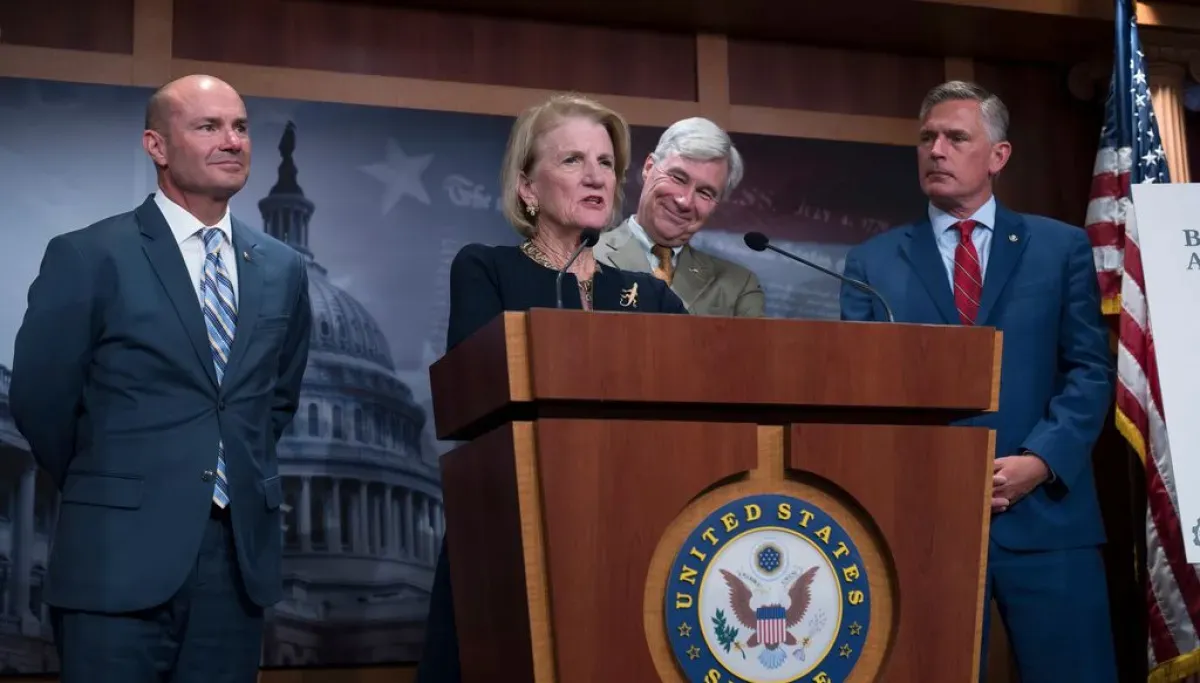 Photo: Washington Examiner
Key points
The Senate voted 73-25 to advance a bipartisan permitting reform bill that would speed energy and infrastructure projects.
The Senate voted 73-25 on Monday evening to invoke cloture on the Bipartisan American Affordability and Jobs Act, a procedural step that limits debate and sends the nearly 500-page bill toward a final vote. The vote clears a crucial hurdle for the bipartisan bill aimed at making it easier to build energy and infrastructure projects across the country.
The bill, introduced on 30 September by leaders of the Senate Energy and Natural Resources and Environment and Public Works committees, is the most comprehensive permitting package Congress has considered in years. It rewrites procedures under the National Environmental Policy Act, the Clean Water Act and the Endangered Species Act, and dedicates an entire title to electric transmission.
What the bill changes
The legislation would overhaul how the government issues permits to projects including highways, pipelines, and power lines. It simplifies federal rules for building interstate transmission lines, narrows what gets reviewed under the National Historic Preservation Act, limits the use of the Clean Water Act, shortens timelines for the Endangered Species Act, and makes big changes to the National Environmental Policy Act, such as changing what requires review and who has standing to sue.
The bill's four main sponsors released a detailed amendment package on Saturday. The negotiators reached the deal weeks before the election. The group included Republican Senators Shelley Moore Capito and Mike Lee, and Democratic Senators Martin Heinrich and Sheldon Whitehouse, who led Senate panels on energy and the environment. President Donald Trump urged senators to back the bill in a Sunday social media post, calling it a BIG WIN for US ENERGY INDEPENDENCE and DOMINANCE. Trump wrote: The bill will ensure that we can build Pipelines, Mines, and Power Plants faster than ever before, lowering Energy Costs for American Families. The push came despite the recent election setback.
Supporters and opponents
Supporters said the bill could help meet rising electricity demand and start major energy projects sooner. Senator Martin Heinrich said, Americans cant afford to wait for lower electricity prices. We need to pass this bill now. Senator Sheldon Whitehouse argued that passing the bill would set the stage for Democrats to work on clean energy policies next year with majorities in the House and Senate.
Several environmental organisations criticised the agreement. The Sierra Club and National Wildlife Federation opposed the plan, citing changes to judicial review and the National Environmental Policy Act. Earthjustice, the Sierra Club and the ACLU have come out against the bill because it would significantly weaken environmental laws and accelerate the construction of gas pipelines and ICE detention centers.
Indigenous groups held a press conference on Friday calling on senators to vote against the bill because it would weaken the federal government's legal obligation to consult tribes on projects that affect them. Mark Macarro, president of the National Congress of American Indians, said, This is such an existential threat to Indian country. Protesters also rallied outside Senate minority leader Chuck Schumer's building on Friday over concerns that the bill could boost datacenters.
Next steps
The American Petroleum Institute hailed the bill as a historic opportunity and called on congress to finish permitting reform this year. Earthjustice Action's president, Abbie Dillen, said, It creates a very accelerated fast track for gas pipelines. The gas industry is extraordinarily excited about this because they are interested in expanding existing pipeline capacity to get more liquefied natural gas out for export, and to be feeding power-hungry datacenters with gas.
The group said meaningful reform should reduce delays, eliminate duplicative reviews, respect state and local decision-making and give landowners certainty. House Minority Leader Hakeem Jeffries criticised the bill last week, with a spokesperson saying the measure fell short in several areas. Jeffries, expected to be the House speaker in the new Congress, said he would not rubber-stamp legislation without more constructive involvement with our caucus. Democrats elected in the blue wave will not take their seats until January, so the bill's proponents still have time to rush it through the Senate and House before the new Congress.
The Senate's procedural vote was the next step, and the bill now heads toward a final vote. The bill's Democratic sponsors said on Monday they had the votes to pass the bill. If passed, the bill would go to the House, where it could pass before the new Congress convenes in January.
Frequently asked questions
What did the Senate vote on 9 November?
The Senate voted 73-25 to invoke cloture on the Bipartisan American Affordability and Jobs Act, a procedural step that limits debate and sends the bill toward a final vote.
What does the permitting reform bill do?
The bill would overhaul federal permitting for energy and infrastructure projects, including highways, pipelines, power lines, and data centres. It changes environmental review laws and aims to shorten timelines.
Who opposes the bill and why?
Environmental groups like the Sierra Club and Earthjustice oppose it, saying it weakens environmental protections and accelerates fossil fuel projects. Indigenous groups say it undermines tribal consultation.