South Korea vows to stabilise markets as KOSPI falls 5%
Finance Minister Lee Hyoung-il said Seoul would decide on stabilisation measures by market conditions after the KOSPI fell 5.11% to 4,211.00 on 23 November.
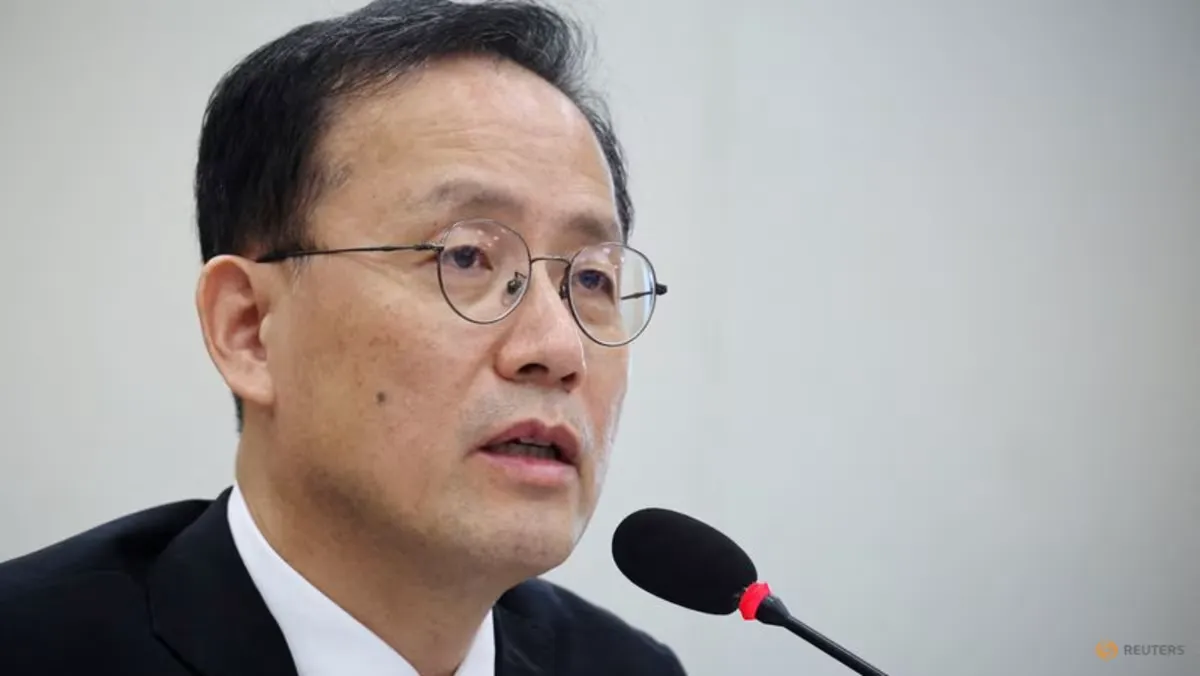 Photo: Channel NewsAsia
Key points
South Korea said it will decide on market stabilisation measures by market conditions after the KOSPI fell 5.11% to 4,211.00 on 23 November.
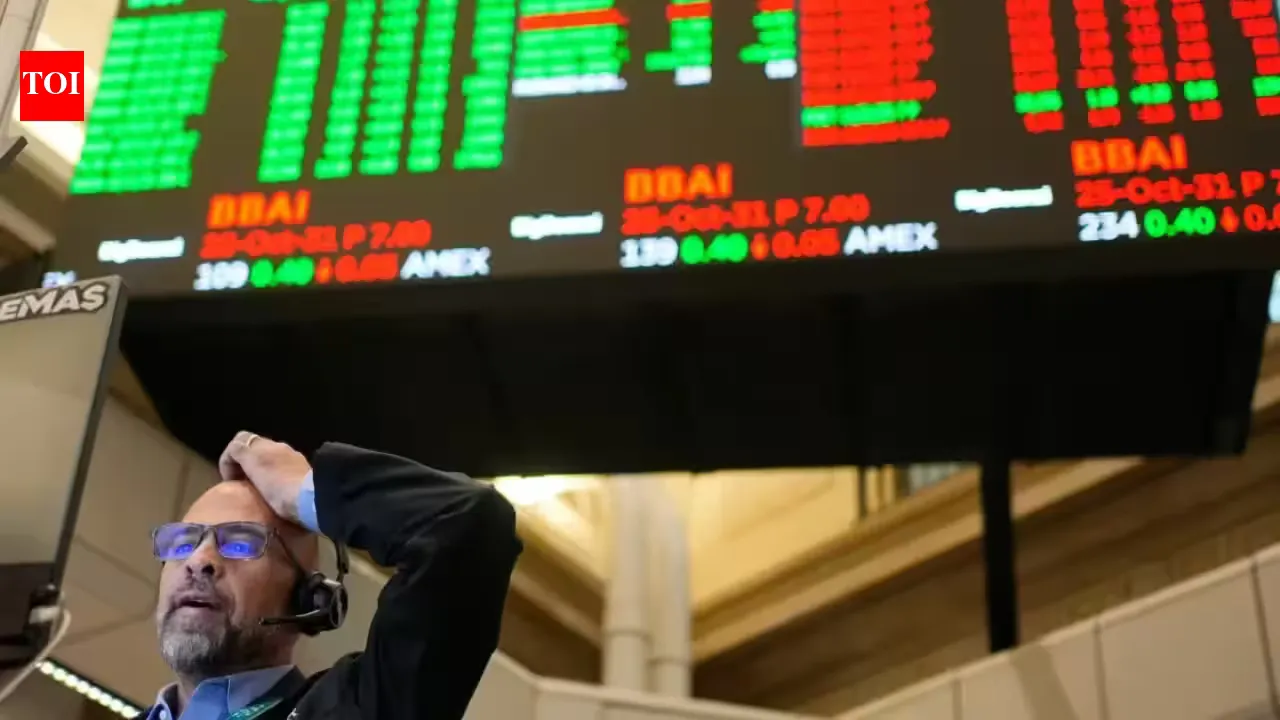
South Korea's finance minister said the government would decide whether to activate market stabilisation measures depending on market conditions, after the benchmark KOSPI fell 5.11% to 4,211.00 on 23 November. The index shed 248.96 points as of 11:34 a.m., according to the Korea Exchange. The assurance came after authorities said on Sunday they would deploy market stabilisation funds immediately if conditions deteriorated. The KOSPI extended declines as concerns over the AI trade and a broader technology selloff overwhelmed the government's assurances.
Five minutes of suspended trading
The Korea Exchange activated a sell-side sidecar for the KOSPI as the market came under heavy selling pressure. Program trading for KOSPI-listed shares was suspended for five minutes from 11:33 a.m. The measure was triggered for a second consecutive session. A sell-side sidecar is triggered when the KOSPI 200 Futures Index falls 5% or more for at least one minute. The mechanism halts program trading briefly to slow a rapid decline. The KOSPI came under heavy downward pressure as investors tracked Wall Street losses over concerns about the artificial intelligence sector.
Finance Minister Lee Hyoung-il, speaking at a press conference in Sejong, said: "Given the high impact of external uncertainties, volatility in our stock market has expanded significantly, which is why we addressed the issue." He added that the government was preparing so that necessary steps would be implemented at an appropriate time.
Chipmakers lead the decline
Chipmakers led the decline in Seoul. SK Hynix and Samsung dropped 4% each, as Asian tech firms again came into the firing line. SPI Asset Management's Stephen Innes said the two are "not peripheral players in the AI boom but two of its most important semiconductor suppliers." Lee said Asia's fourth-largest economy was maintaining strong momentum and could achieve growth in the upper-3% range if present trends continued. Despite that baseline outlook, he warned that external risks remained severe, citing regulatory uncertainty surrounding the artificial intelligence industry, geopolitical instability and rising global interest rates.
He cautioned that volatility in the semiconductor sector could spill over and amplify broader macroeconomic swings. The VIX Index, seen as the market's fear gauge, spiked to its highest level since April last year. Traders were also spooked by the US Commerce Department's move to close a loophole allowing Chinese companies to access Nvidia's AI chips remotely.
Short-selling rules stay tight
Asked whether South Korea could revise rules related to short-selling, Lee said the government's plan was to place greater emphasis on cracking down on illegal short-selling and strengthening surveillance against unfair trading rather than pursuing additional deregulation. South Korea imposed a blanket short-selling ban in late 2023 and lifted the 17-month prohibition in March 2025 after launching a centralised detection system.
The selloff was regional. South Korea, Hong Kong, Shanghai and Singapore were all deep in negative territory, while Tokyo was closed for a holiday. The KOSPI came under pressure as investors tracked Wall Street losses over concerns about the artificial intelligence sector. The government's next step depends on market conditions, with Lee saying authorities would decide whether to activate measures accordingly. The sell-side sidecar's five-minute suspension from 11:33 a.m. marked the second consecutive session in which the exchange intervened.
Fiona Cincotta at Forex.com said "nerves have been showing in the AI trade, amid increased scrutiny over AI capital expenditure, the scale of investment, the returns on those investments and when they might materialise." She also cited Democrats taking control of Congress and expectations of higher rates for longer. The government's next step depends on market conditions, with Lee saying authorities would decide whether to activate measures accordingly. The KOSPI stood at 4,211.00 as of 11:34 a.m., and the sell-side sidecar's five-minute suspension from 11:33 a.m. marked the second consecutive session in which the exchange intervened.
Frequently asked questions
How much did the KOSPI fall on 23 November?
The KOSPI shed 248.96 points, or 5.11%, to 4,211.00 as of 11:34 a.m. on 23 November, according to the Korea Exchange.
What is a sell-side sidecar?
A sell-side sidecar is triggered when the KOSPI 200 Futures Index falls 5% or more for at least one minute. It suspends program trading for five minutes, as happened from 11:33 a.m. on 23 November.
What did South Korea's finance minister say about stabilisation funds?
Lee Hyoung-il said the government would decide whether to activate measures depending on market conditions, after authorities said on Sunday they would deploy stabilisation funds immediately if conditions deteriorated.