Supreme Court denies Trump bid to restrict trans inmate care
The Supreme Court on 21 October 2026 denied the Trump administration's emergency request to restrict gender-affirming care for transgender federal inmates, leaving a lower court's injunction in place.
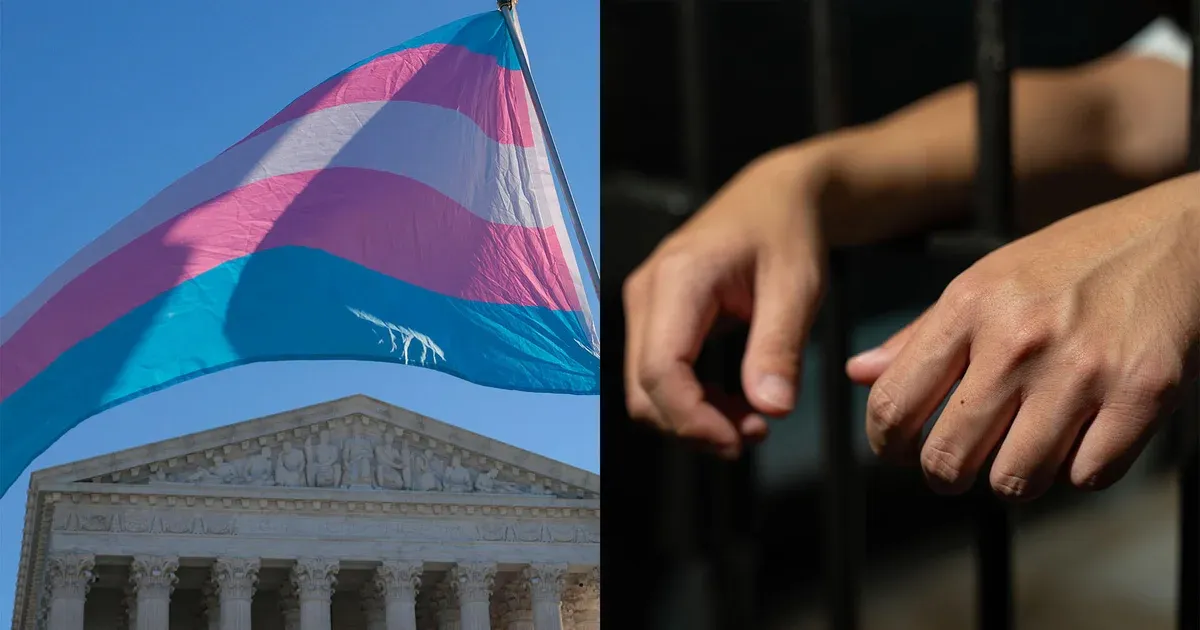 Photo: CBS News
Key points
The Supreme Court rejected the Trump administration's emergency request to lift an injunction blocking restrictions on gender-affirming care for transgender federal inmates.
The Supreme Court rejected an emergency request from the Trump administration to restrict gender-affirming medical care for transgender inmates in federal prisons, leaving in place a lower court order that blocks the policy. The court issued its brief order on 21 October 2026, with Justices Clarence Thomas and Samuel Alito publicly dissenting. The decision does not resolve the underlying legal challenge.
The ruling matters because it keeps in place protections for transgender federal inmates' access to hormone therapy and other gender-affirming care while the lawsuit proceeds. It is a rare win for transgender rights at a Supreme Court that has a 6-3 conservative majority and has ruled against transgender rights in several key cases since last year, including bans on transgender athletes in school sports and gender-affirming care for minors.
What the ruling leaves standing
The policy at issue, issued in February, prohibits medical and surgical treatments as well as "social accommodations" such as clothing and hair-removal devices that could be used to alter a person's appearance to align with their gender identity. The policy would still allow psychiatric services. The Justice Department, in its filing, urged the Supreme Court to allow the Federal Bureau of Prisons to enforce its decision to prioritise mental-health treatment while discontinuing what it called medically disputed and unproven sex-rejecting interventions.
Three transgender inmates incarcerated at federal correctional institutions in New Jersey, Florida, and Minnesota filed a class action lawsuit challenging the policy. The lead plaintiffs — Alishea Kingdom, Jas Kapule, and Solo Nichols — have all received hormone therapy for years. They are represented by the American Civil Liberties Union, the ACLU of D.C., and the Transgender Law Center. Aditi Shah, an attorney at the American Civil Liberties Union, said the ruling will prevent serious and irreparable harm to plaintiffs and the class while the challenge continues.
US District Judge Royce Lamberth, a Reagan appointee based in Washington, blocked the restrictions in June, concluding the policy is likely "arbitrary and capricious" and violates a federal law governing agency procedures. Lamberth found the Federal Bureau of Prisons disregarded its own evidence and experience and "reverse engineered" the measure to implement Trump's executive order. He wrote that the court had no intention of wading into the culture war being waged against transgender individuals.
How the lower courts blocked it
On 18 September, the US Court of Appeals for the District of Columbia Circuit refused the administration's request to lift Lamberth's ruling, voting 2-1. Solicitor General D. John Sauer accused Lamberth of judicial activism and the court of substituting its own policy judgment for that of the agency. The administration then filed the emergency application with the Supreme Court, which denied it without explanation, as is common when justices handle emergency requests. The justices did not rule on the merits.
The federal prison system has treated people with gender dysphoria with hormones since at least 1992, according to the plaintiffs. Gender dysphoria is the clinical diagnosis of significant distress that can result from an incongruence between a person's gender identity and sex at birth. In his June ruling, Lamberth found the Bureau of Prisons had failed to consider its history of providing gender-affirming care and had not provided evidence that such treatments were ineffective or harmful.
There are more than 2,000 transgender inmates in federal facilities and halfway houses, according to a government figure from 2025. The plaintiffs said siding with the administration would cause "immediate and catastrophic" harm, noting that patients denied hormone therapy can suffer increased depression, anxiety, suicidal ideation and self-harm. The Bureau of Prisons declined to comment on the decision.
Who the policy would have affected
The policy is part of a broader Trump administration push on transgender rights. Trump signed an executive order on his first day back in office in January 2025 recognising only two genders and directing federal agencies, including the Federal Bureau of Prisons, to change policies governing transgender inmates. The administration has called medical care for gender transition "unproven sex-rejecting interventions." Shawn Thomas Meerkamper, managing attorney at the Transgender Law Center, said the ruling affirms that everyone deserves access to medically necessary health care in federal custody.
The legal challenge continues. The Supreme Court's order left Lamberth's injunction in place while the case plays out, and the justices did not rule on the merits, leaving open the possibility that the injunction could be overturned later. The case will proceed through the lower courts on the underlying question of whether the Bureau of Prisons properly justified its policy change.
Frequently asked questions
What did the Supreme Court decide about transgender inmate care?
The Supreme Court denied the Trump administration's emergency request to lift a lower court order blocking restrictions on gender-affirming care for transgender federal inmates, leaving the injunction in place while the legal challenge continues.
Why did lower courts block the policy?
US District Judge Royce Lamberth found the policy likely arbitrary and capricious, concluding the Bureau of Prisons disregarded its own evidence and reverse engineered the measure to implement Trump's executive order.
How many transgender inmates are in federal custody?
There are more than 2,000 transgender inmates in federal facilities and halfway houses, according to a 2025 government figure.