USS Theodore Roosevelt arrives as third carrier in Middle East
The USS Theodore Roosevelt arrived in the Middle East on 16 November, joining two other carriers as President Trump weighs military action against Iran.
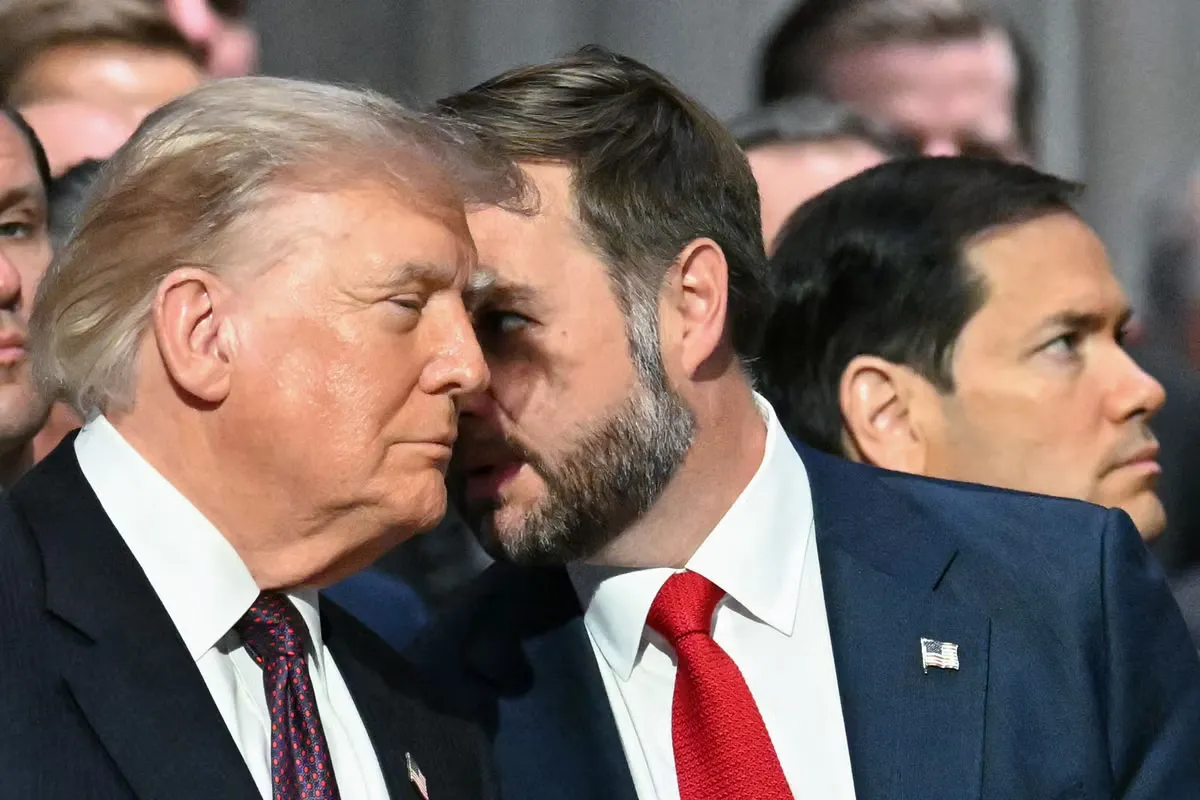 Photo: The Independent
Key points
The USS Theodore Roosevelt arrived in the Middle East on 16 November, becoming the third US aircraft carrier in the region as President Trump weighs military action against Iran.
The USS Theodore Roosevelt arrived in the Middle East on Monday with thousands of additional troops, becoming the third US aircraft carrier in the region as President Donald Trump weighs potential military action against Iran. The carrier left San Diego in September and joins the USS George H.W. Bush and the USS George Washington, along with smaller navy ships.
Vice President JD Vance insisted the administration will not let the conflict with Iran become a "forever war," even as the president sent the third carrier. Speaking to Fox News, Vance said: "[Trump] is not going to let this become a forever war, and the people who want it to become a forever war, they can attack me all they want to because we signed up to not do this. We told the American people we would do no more forever wars."
Vance's promise
Vance added that the president felt he had to destroy the nuclear program, calling the Iranian nuclear program a threat to the United States. He said the administration would not allow the conflict to become a 10 or 15-year commitment, "or frankly, even a two-year commitment despite the fact that a lot of neoconservatives and a lot of other people want us to stay there forever." The vice president expressed confidence that Trump would "get us out of this thing with great results."
The arrival of the third carrier stokes fears of a resumption of hostilities. For months, Trump has oscillated between launching further attacks on Iran and insisting the war was "effectively over." The conflict, which Trump launched alongside Israel in February, has been unpopular, contributing to a disastrous Republican defeat in the midterms.
Vance, considered a potential contender for the 2028 presidential election, has blamed the Iran war for the party's losses. He wrote on X this month: "If you'd like to argue it was worth it, that losing the Senate for the next 6 years was worth it, then do so. Argue it was a worthwhile cost to pay. Agree or disagree, that's at least honest. But everyone knows why we lost. And any honest conversation about where we go from here must start there."
Military buildup
The military buildup extends beyond the carriers. The US Army has put out an urgent contract order to build more than a dozen hardened bunkers in Israel, Saudi Arabia, and Lebanon due to lingering threats facing troops in the Middle East, according to the Washington Examiner. The service wants 17 bunkers in total — five across two sites in Saudi Arabia, 10 across one facility in Israel, and one in each of two locations in Lebanon — capable of remaining intact through indirect fire attacks, like those from drones and missiles.
The bunkers reflect the ongoing threat from the Iran war, which has drawn in regional bases. The Army's urgent request indicates that US forces expect continued attacks even as the administration signals a desire to end the conflict. The bunkers are designed to protect troops from the kind of drone and missile strikes that have become a hallmark of the war.
The war has also reshaped thinking beyond the Middle East. Japan's Defense Ministry, in an analysis of the US-Israel war against Iran published in August, recognized the need to maintain adequate production capacity in peacetime and be ready to rapidly scale up weapons production in the event of a conflict. Japan has raised defense spending to approximately 1.8 percent of GDP in the 2025-2026 fiscal year, up from around 1 percent in 2022.
Public opinion
Public opinion is turning against the conflict. A poll last week found that some 71 per cent of Americans want the incoming Democratic-controlled Congress to pass legislation ending the conflict with Iran. That figure includes 93 per cent of Democrats and 51 per cent of Republicans. The poll underscores the political pressure on the administration as it weighs further military action.
Vance's comments come as the administration faces a December deadline for passing a full appropriations bill. The White House says it is 'on the table' to pass it before then. The carrier deployment and bunker orders suggest the military is preparing for a prolonged presence, even as Vance promises an exit. The next dated event is the arrival of the incoming Democratic-controlled Congress, which could act on legislation to end the conflict.
The arrival of the third carrier and the Army's bunker request indicate that the US military is preparing for a sustained presence in the Middle East, even as the administration publicly promises an end to the war. The coming weeks will show whether the president follows through on his promise to avoid a forever war.
The war has already had significant political consequences, including the Republican defeat in the midterms. Vance's attempt to distance himself from the unpopular war reflects the political stakes. As the incoming Congress prepares to take office, the fate of the conflict and the US military posture in the region remain uncertain.
Frequently asked questions
When did the USS Theodore Roosevelt arrive in the Middle East?
The USS Theodore Roosevelt arrived in the Middle East on Monday, according to The Independent. It left San Diego in September and joined the USS George H.W. Bush and the USS George Washington.
How many US aircraft carriers are now in the Middle East?
Three US aircraft carriers are now in the Middle East: the USS Theodore Roosevelt, the USS George H.W. Bush, and the USS George Washington, along with smaller navy ships.
What did JD Vance say about the Iran war becoming a forever war?
Vice President JD Vance said the administration will not let the conflict become a forever war, promising not to allow it to become a 10 or 15-year commitment, or even a two-year commitment. He expressed confidence that President Trump will get the US out with great results.