Trump offers $1 million reward for tips leading to voter fraud convictions
US President Donald Trump on 26 October 2026 offered $1 million for tips leading to a voter fraud arrest and conviction, eight days before the 3 November midterms.
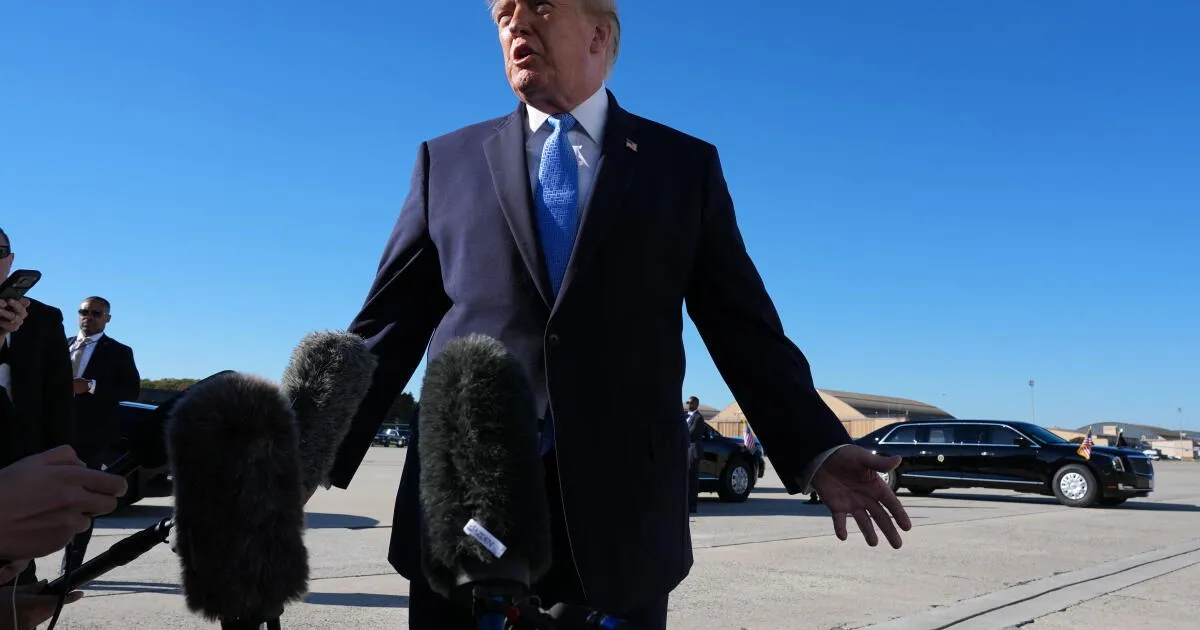 Photo: Los Angeles Times
Key points
Trump offered $1 million on 26 October 2026 for information leading to a voter fraud arrest and conviction, ahead of the 3 November midterms.
US President Donald Trump offered $1 million on 26 October 2026 to anyone whose tip about voter fraud leads to an arrest and conviction, posting the pledge on Truth Social eight days before the 3 November 2026 midterm elections. The offer covers both past elections and the upcoming 2026 midterm election.
The reward matters because it lands as Republicans fight to keep control of both chambers of Congress and as polls show Democrats pulling ahead in competitive races. A Democratic victory would stall Trump's agenda and expose his administration to congressional investigations during his final two years in office. Trump's exact words were: "Anybody reporting Voter Fraud in the past Elections, or the upcoming 2026 Midterm Election, will be paid $1,000,000 upon the arrest and conviction of those that created the Fraud!" He added, "Thank you for your attention to this matter," in the same Truth Social post on 26 October 2026.
Why the offer matters
The president gave no details of how the reward would be funded or administered. He did not say how tips should be submitted to the federal government or who would decide whether a claim qualifies. The White House declined to comment beyond Trump's social media post, and had not immediately released additional details.
No funding or process details
The offer follows a separate program launched the previous week meant to pay people for providing information to the administration to combat fraud. When announcing it, Trump said he would personally decide who is paid, telling reporters in the Oval Office: "I will be the arbitrator of all of these decisions."
A pattern of pre-election pledges
Studies have consistently found voter fraud exceptionally rare, particularly voting by non-citizens, which is already illegal in federal elections. Courts, state election officials, independent audits and federal agencies have consistently found no evidence of fraud on a scale that would have changed the 2020 presidential election outcome. The reward is one of several pre-election pledges. Trump promised $5,000 to every adult US citizen if Republicans retain both chambers of Congress, a proposal budget analysts said would require congressional approval and could cost more than $1 trillion. He also tied compensation for veterans sickened by contaminated water at a North Carolina military base to a Republican victory.
The administration has moved to intervene in the midterms in other ways. The Justice Department sued to prevent Alaska from certifying its Senate election results if Republican incumbent Dan Sullivan loses, citing possible voter confusion over another candidate with the same name. Trump acknowledged personally ordering the lawsuit, though his attorney general denied seeking to overturn the result.
In California, the administration pushed to segregate ballots from voters it considers likely non-citizens. Trump has also cast doubt over the integrity of California's primary election, claiming without evidence that Democrats cheated — an allegation investigated by the U.S. attorney's office in Los Angeles, which is run by a Trump loyalist.
Polls show Democrats pulling ahead as Republicans fight to retain both chambers of Congress, with Trump's popularity saging amid voter concerns over the economy. Recent opinion polls indicate Democrats have narrowed or overtaken Republican leads in several competitive congressional races heading into the 3 November 2026 vote. The 2026 midterm elections on 3 November 2026 will determine whether Republicans keep control of both chambers of Congress or Democrats take one or both, shaping Trump's legislative agenda and exposure to investigations in his final two years in office.
Frequently asked questions
What did Trump offer on 26 October 2026?
Trump posted on Truth Social that anyone reporting voter fraud in past elections or the 2026 midterm election will be paid $1,000,000 upon the arrest and conviction of those who created the fraud.
How will the $1 million reward be funded and administered?
Trump gave no details of how the reward would be funded or administered, and did not say how tips should be submitted or who would decide whether a claim qualifies. The White House declined to comment beyond his post.
When are the 2026 US midterm elections?
The 2026 midterm elections are on 3 November 2026, eight days after Trump's 26 October 2026 reward announcement, with both chambers of Congress in play.