Trump says Iran war hurt Republicans in midterm losses
President Donald Trump conceded the Iran war contributed to Republican midterm defeats as Democrats won control of both chambers of Congress.
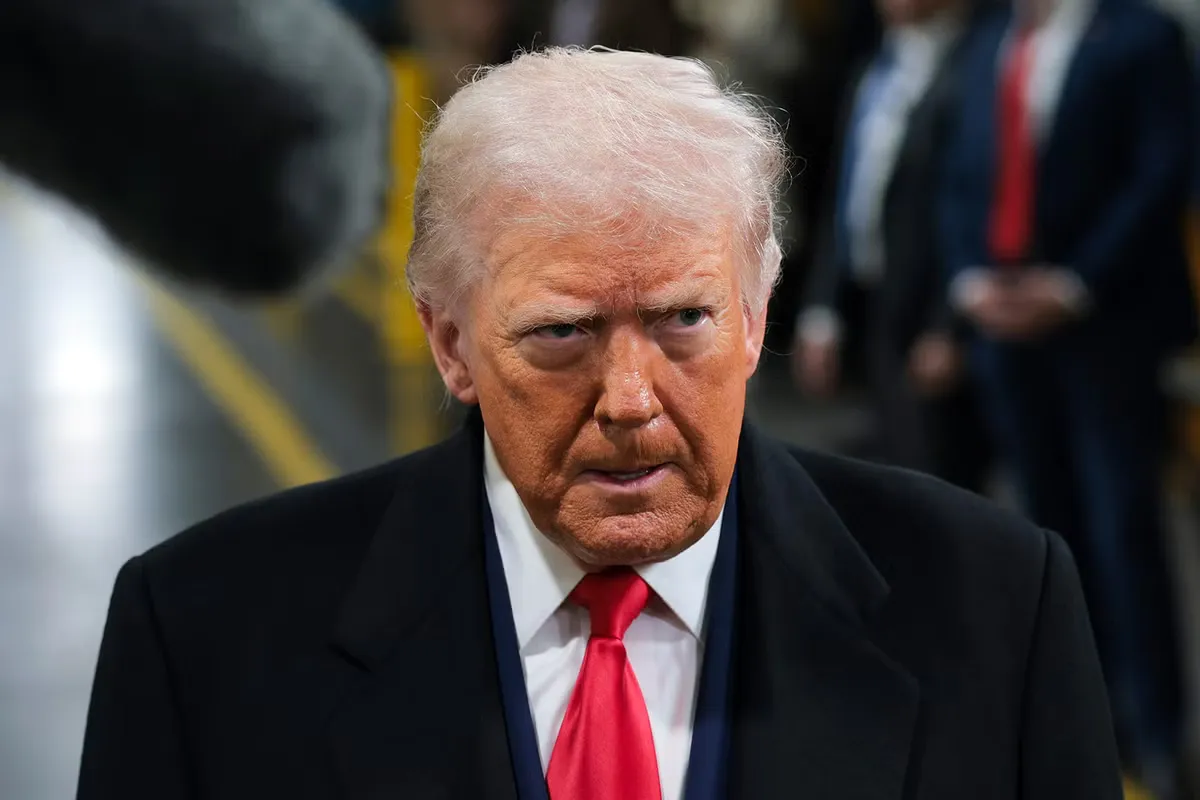 Photo: The Independent
Key points
Trump admitted the Iran war contributed to Republican losses in the 2026 midterms, as Democrats won control of Congress.
President Donald Trump told Fox News on 4 November that the war on Iran contributed to Republican losses in the midterm elections, as Democrats took control of both chambers of Congress. "I think a part of it was Iran, but at the same time, people understood the importance of what I've done," Trump said. The admission came after a night of sweeping Democratic gains.
Democrats were projected to win 54 Senate seats to Republicans' 42, and 224 projected House victories to Republicans' 134. The results strip Republicans of control over Congress, constraining Trump's ability to enact his agenda, though he retains the power to order new strikes and veto legislation. Trump vowed to veto what he called 'insane' bills.
Democratic sweep
The scale of the losses was historic. Democrats broke through in states that had resisted the party for decades, including Texas, South Carolina and Kansas. Gina Hinojosa became the first Democrat governor of Texas since 1995, and James Talarico won a Senate race in Texas, the first Democrat to do so in 38 years. Adam Hamilton won in Kansas, where the last Democrat senator was born in 1879.
The results also elevated a wave of firsts: the country's first Black female governor, first Native American female governor, first Native female senator, and first openly gay male U.S. senator. The gains extended deep into territory Trump carried comfortably in 2024, including Texas, South Carolina and Kansas. Democrats toppled Trump-backed candidates amid voter backlash over the cost of living and the Iran war.
The war, triggered in February when the US and Israel pummelled Iran in a massive wave of strikes, has been at a stalemate for months. Fuel costs have skyrocketed since the attack, leading to a collapse in Trump's approval ratings. Karoline Leavitt, former White House press secretary, said: "Nearly every incumbent president party loses the midterm elections... But I do believe undeniably that the history and the environment was worsened by the prices at the pump."
Iran's response
Iran's supreme leader Mojtaba Khamenei warned on Wednesday that the Middle East war would widen if the US resumes its attacks. "Those who still harbour even the slightest hope that the behaviour of the hegemonic system might change through partisan or factional shifts, or who imagine that making concessions to the United States can dissuade it from hostility towards the Iranian nation, are seriously mistaken," he said in a written statement. Khamenei has yet to appear in public since taking power in March.
Iranian officials hailed Trump's midterm setback. Mohammad Bagher Ghalibaf, Iran's chief negotiator, said Americans had voted against war. "Conscience or the cost of living, Americans said NO TO WAR, and we endorse this message," he posted on X. Iran's judiciary chief Gholamhossein Mohseni Ejei said Trump had been "defeated both militarily and politically". The war has proved unpopular among the US public, who have seen the cost of living rise after a spike in energy prices.
This week, the US launched strikes on Qeshm Island in the Strait of Hormuz, with Iranian state media reporting five explosions. Trump called it a "minor attack" and said he still had to "take care" of one or two targets, including so-called Pickaxe Mountain in central Iran, a suspected nuclear site. However, he said that a full-scale resumption of war may not be necessary: "We seem to be getting everything we want."
What comes next
Diplomatic efforts are in full swing to prevent any resumption of fighting. Iran's President Masoud Pezeshkian said his government was still trying to resolve the crisis through dialogue, and that the supreme leader had granted new powers to negotiate on previously off-limits issues. Qatar, a mediator, said it remained hopeful of an interim deal. China said avoiding a return to hostilities was a top priority in its diplomatic efforts.
The results could reshape US engagement with the region. Burcu Ozcelik, head of the MENA and Turkey programme at the Royal United Services Institute, said the Middle East will be "bracing" for Trump's response. "The results will almost certainly reshape US engagement with the region over time, but the immediate uncertainty is what Trump may still try to do on Iran," she said on Wednesday. The Kremlin said it hopes the results will not impact Trump's "peacemaking efforts".
Attention is already turning to the next presidential election in two years' time. New York Rep. Alexandria Ocasio-Cortez, California Gov. Gavin Newsom and Georgia Sen. Jon Ossoff are among the names mentioned as Democrats look to the future. The midterm results have left Republicans facing a divided government, with Trump retaining the power to block legislation, likely creating deadlock in Washington.
Frequently asked questions
What did Trump say about Iran and the midterm losses?
Trump told Fox News: "I think a part of it was Iran, but at the same time, people understood the importance of what I've done." He acknowledged the conflict may have played a part in the Republican defeat.
What were the final midterm results?
Democrats were projected to win 54 Senate seats to Republicans' 42, and 224 House victories to Republicans' 134, giving them control of both chambers.
How did Iran react to the midterm results?
Iran's supreme leader warned the war would widen if the US resumes attacks. Officials hailed the results, with Ghalibaf saying Americans voted against war.