Trump and Carney discuss possible US-Canada trade deal
President Trump and Prime Minister Carney discussed a possible US-Canada trade deal on Saturday, with Trump saying he has a 'concept' for an agreement.
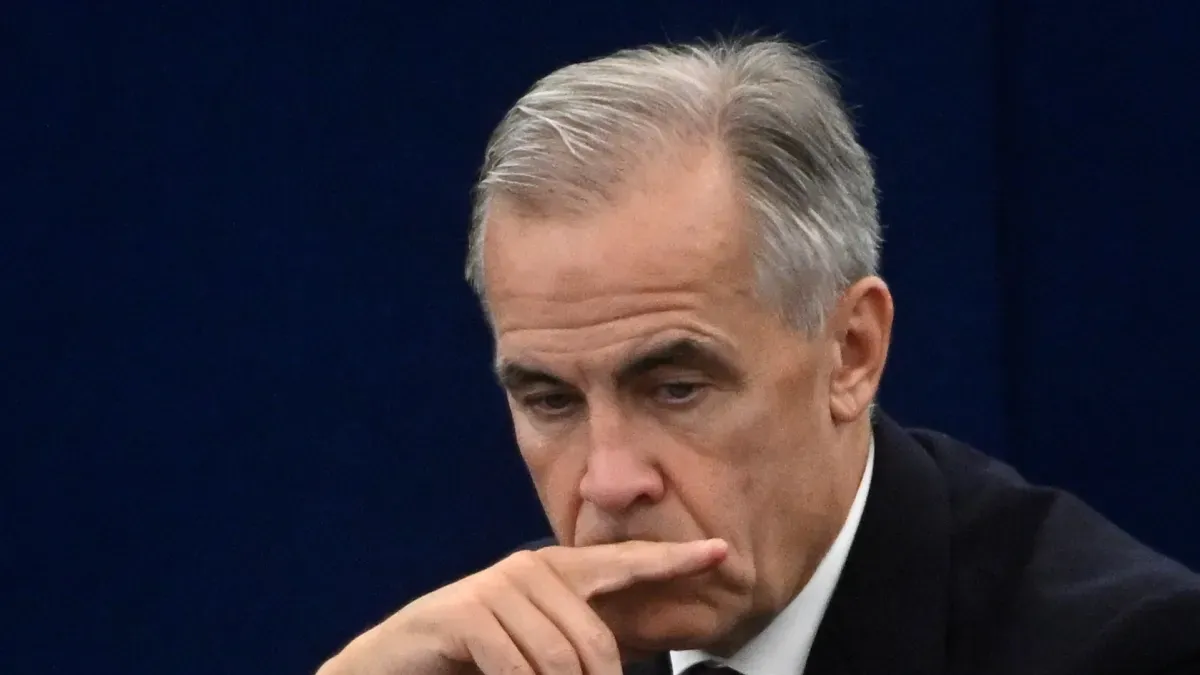 Photo: Al Jazeera
Key points
Trump and Carney discussed a possible US-Canada trade deal, with Trump saying he has a 'concept' for an agreement that would include the Keystone XL pipeline.
President Donald Trump and Canadian Prime Minister Mark Carney discussed a possible US-Canada trade deal on Saturday, with Trump saying he has a "concept" for an agreement that would be "great for our farmers." Carney described the conversation as "good" and said teams from both countries will work in the coming weeks to deliver a deal.
Trump spoke to reporters after getting off his plane in Dubuque, Iowa, on Sunday, saying he had spoken with Carney on trade in recent days. "I spoke to him again yesterday, and we have the concept of a deal that's going to be great for our farmers, great for our country," Trump said.
What Trump said
Trump said the trade deal would include the building of the Keystone XL pipeline, which has long been opposed by environmental activists and was shelved under former President Joe Biden. Last week, Trump said he expected a new trade deal with Canada "pretty soon" but gave no details.
Carney wrote on X that he had a "good conversation" with Trump on the two countries' fraying trade ties. He said the latest talks built on "recent constructive discussions on the outlines of a mutually beneficial trade deal." "Our teams will now be working in the coming weeks to deliver that outcome," Carney said.
The conversation took place on Saturday, according to the Canadian Prime Minister's Office. However, neither leader has announced specific terms or a timetable for concluding an agreement. The White House had not issued an official statement detailing the conversation or confirming the terms of a potential agreement as of Sunday.
Why the talks matter
Since starting his second term, Trump has changed global trade by imposing tariffs on both allies and rivals. Canada, one of the US's biggest trading partners, has faced several of these tariffs. Trade talks between the two countries broke down in August, and Trump then imposed several new tariffs, although he has lifted some ahead of the US midterm elections.
The tariffs affected around $20 billion worth of goods, including hockey sticks and cement, with Trump imposing a 50 percent levy on $20 billion of Canadian goods, or 5.5 percent of its exports. Canada responded by imposing tariffs on an equal value of American goods, including US steel, dairy, appliances, farm equipment, pulp and paper, and electronics.
Trump then hit back with another round of tariffs, reaching as high as 50% on certain products. The dispute has also involved broader US tariffs targeting Canadian steel and automobiles, including duties of up to 50% on steel and 25% on automotive imports under Section 232 of US trade legislation.
The tariffs have added to concerns about rising prices in the US, with affordability remaining a key issue for voters. The trade tensions have become an issue in the midterm elections, particularly in Michigan and Maine, where Republican candidates have faced pressure over tariffs that have hurt local businesses. Michigan Republican Senate candidate Mike Rogers has publicly called for an end to the trade dispute.
Canada has been building stronger trade ties with other partners. On Friday, the European Union and Canada announced an alliance that would make Canada the bloc's first "associate member," although some EU members disagreed over the use of that term. Carney praised the proposal's ambition, describing his goal as a "unique alliance" rather than conventional EU membership.
The renewed diplomatic engagement comes just days before the November 3 US midterm elections, which will determine control of the US Congress. Trump's trade policies towards Canada have emerged as a politically sensitive issue, particularly in northern border states. The coming weeks will determine whether Washington and Ottawa can translate their diplomatic engagement into a concrete agreement.
Opposition Conservative leader Pierre Poilievre welcomed the prospect of an agreement but criticised Carney for failing to deliver the trade deal he had promised during the previous election campaign. Carney has repeatedly stressed that Ottawa is prepared to reach an agreement but will not compromise on the country's economic interests, sovereignty, French-language protections or key industries.
Frequently asked questions
What did Trump and Carney discuss?
They discussed a possible US-Canada trade deal, with Trump saying he has a 'concept' for an agreement that would include the Keystone XL pipeline. Carney described the conversation as 'good' and said teams will work in the coming weeks.
When did the conversation take place?
The conversation took place on Saturday, according to the Canadian Prime Minister's Office. Trump spoke to reporters on Sunday after getting off his plane in Dubuque, Iowa.
What tariffs are currently in place?
Trump imposed tariffs of up to 50% on $20 billion of Canadian goods after talks broke down in August. Canada responded with equivalent tariffs on US steel, dairy, appliances, and other goods.