Trump backs 10% credit card interest cap with Democratic Congress
President Donald Trump said on 21 November he would work with the incoming Democratic Congress to cap credit card interest rates at 10%, against a median rate of roughly 22.2%.
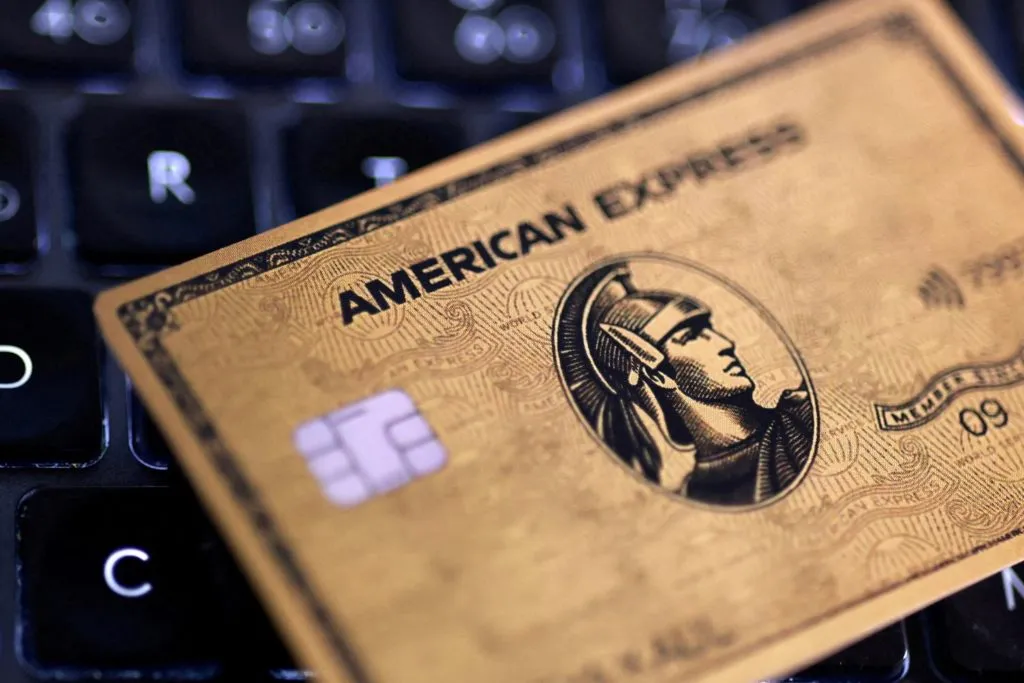 Photo: PBS News
Key points
Trump said he would work with the incoming Democratic Congress to cap credit card interest rates at 10%, reviving a 2024 campaign pledge.
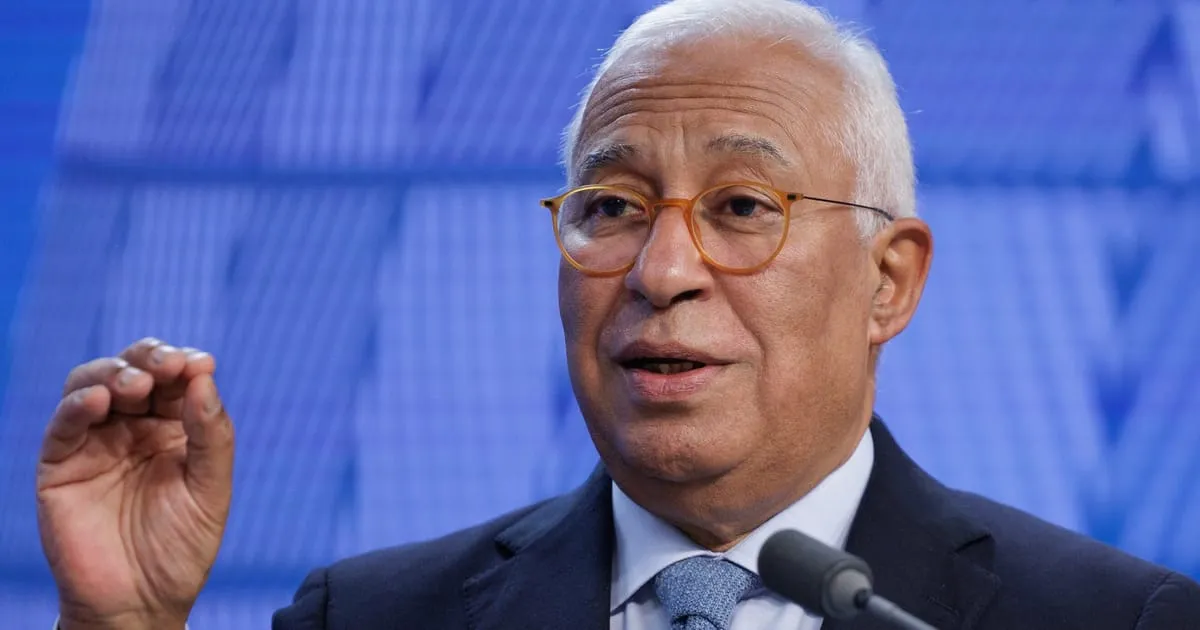
President Donald Trump said on 21 November that he would work with the incoming Democratic Congress to cap credit card interest rates at 10%, reviving a promise from his 2024 campaign that stalled under industry pressure and limited support from his fellow Republicans. "I would do it. These credit card companies have made a lot," Trump told Fox News Channel's "Saturday in America."
The standard proposal would cap rates at 10%, a level Democrats and the Republican president have both backed. That would substantially reduce what credit card companies can charge customers. The median credit card interest rate is roughly 22.2%, according to an August survey by the New York Federal Reserve, so a 10% ceiling would sit less than half the typical rate.
What the 10% cap would do
Trump first proposed capping credit card interest rates in January, as part of the White House's affordability push. Banks and credit card companies immediately and aggressively opposed the proposal. They said any interest rate cap would force them to cancel cards for the poor and less creditworthy customers or substantially cut back on the rewards they offer when customers spend on their cards.
Banks fought the January proposal
The proposal also did not sit well with Republicans, and there was little effort by the GOP-controlled Congress to fulfil Trump's promise. That could change now that Democrats will control both the House and Senate. Sen. Elizabeth Warren of Massachusetts, who is expected to be the next chair of the Senate Banking Committee, has said repeatedly she wants to cap rates.
In response to the Fox News interview, Warren said: "Let's cap credit card interest rates and save Americans money." Other Democrats have endorsed the idea in various ways, including Rep. Maxine Waters of California, who sits on the House Financial Services Committee. Among Republicans, Sen. Josh Hawley of Missouri has proposed several caps on credit card interest rates, as recently as this year when Trump made his proposal.
Hawley said at the time: "Congress should pass my bipartisan bill to cap these rates and deliver relief right away." The shared interest gives the cap a route that the Republican-controlled Congress did not provide. Trump framed the coming session around negotiation rather than confrontation, saying he is confident he can work with Democratic congressional leaders to accomplish "tremendous things" when a divided government convenes in January.
Trump called House Minority Leader Hakeem Jeffries of New York a "reasonable guy" and named healthcare, the upcoming debt ceiling and a potential 10% cap on credit card interest rates as areas for compromise. He also warned that he is prepared to use his veto power if Democrats refuse to negotiate. "The power of the veto is ultimate," Trump said, adding that "probably we'll start with vetoes just to set the stage."
Researchers who studied Trump's campaign pledge after it was first announced found that Americans would save roughly $100 billion in interest a year if credit card rates were capped at 10%. The same researchers found that while the credit card industry would take a major hit, it would still be profitable, although credit card rewards and other perks might be scaled back.
What happens when Congress convenes
The scale of the market explains the industry's resistance. About 195 million people in the United States had credit cards in 2024 and were assessed $160 billion in interest charges, the Consumer Financial Protection Bureau says. Americans are now carrying more credit card debt than ever, about $1.23 trillion, according to figures from the New York Federal Reserve for the third quarter last year.
A 10% ceiling would compress the interest income that drives a significant share of card issuers' consumer lending revenue, which is why banks have lobbied hard against a rate ceiling. Bipartisan support is the ingredient that turns the proposal from a campaign talking point into a legislative threat for card issuers, and investors in major card-issuing banks now face repricing risk in consumer credit portfolios.
The cap still needs legislation, and Trump said he looks "forward to working with Hakeem" and described a session in which Democrats send bills up and he decides whether to sign or veto them. Whether a 10% ceiling reaches his desk depends on the same negotiation he described on 21 November.
Frequently asked questions
What credit card interest cap has Trump proposed?
Trump backs the standard proposal of capping credit card interest rates at 10%. The median credit card interest rate is roughly 22.2%, according to an August survey by the New York Federal Reserve.
Why did the credit card cap fail before?
Trump proposed the cap in January, but banks and credit card companies opposed it aggressively, saying it would force them to cancel cards for less creditworthy customers or cut rewards. Republicans in Congress made little effort to pass it.
How much would Americans save under a 10% cap?
Researchers who studied Trump's campaign pledge found Americans would save roughly $100 billion in interest a year if credit card rates were capped at 10%, while the industry would still be profitable.