Trump weighs Iran deal against strike before November 3 midterms
President Trump said on Sunday he is choosing between a deal with Iran and action to finish the war off, with US midterm elections set for November 3.
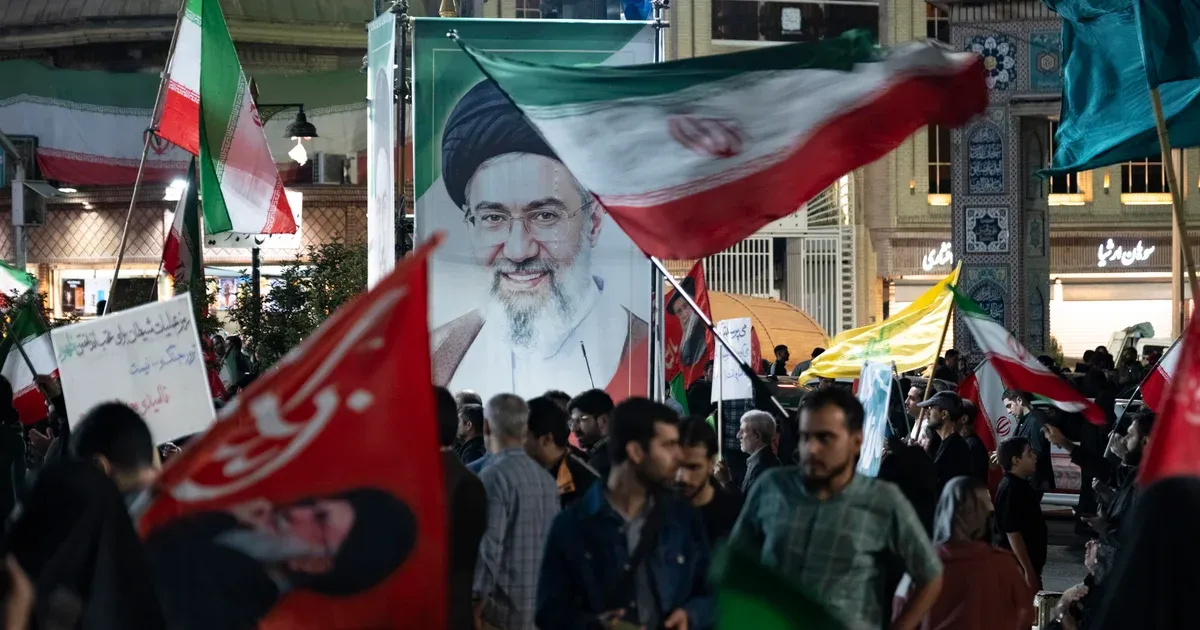 Photo: CBS News
Key points
Trump said on Sunday he is deciding between a deal with Iran or finishing the war off, with US midterms set for November 3.
President Trump said on Sunday he is choosing between reaching an agreement with Iran and taking action to finish the war off, as US midterm elections approach on November 3. Speaking on Fox News' Sunday Morning Futures, Trump framed the choice directly: do I make a deal with them, or do I finish them off? He told reporters at the White House there will not be a strike that day.
The decision matters because talks with Tehran remain stalled and concern is rising over whether Trump will restart hostilities. Trump has said he would not strike Iran until after the midterm elections on November 3. The war, now nearing its eighth month, is expected to weigh on voters as fuel and other necessities stay expensive. Officials warn the period between the election and the new Congress taking office could be particularly dangerous, with a negotiated deal seen as the most likely way to end the conflict.
The choice Trump described
Trump on Sunday claimed the US now controls the Strait of Hormuz, the waterway through which much of the world's oil passes. He also criticised former President Barack Obama for the Joint Comprehensive Plan of Action, the 2015 Iran nuclear deal that restricted Iran's nuclear programme in exchange for sanctions relief. Obama signed the agreement in 2015, and Trump pulled out of it during his first term, arguing in 2018 that it allowed Iran to keep enriching uranium.
The war has cost American lives. The Pentagon says 21 American service members have been killed and 865 wounded in operations related to the war. Iran effectively closed the Strait of Hormuz soon after strikes began, blocking oil tankers and pushing fuel prices up. The US naval blockade of Iranian ports has restricted oil exports Iran's government depends on. Rice in Iran costs over 60% more and beef over 150% since the war began.
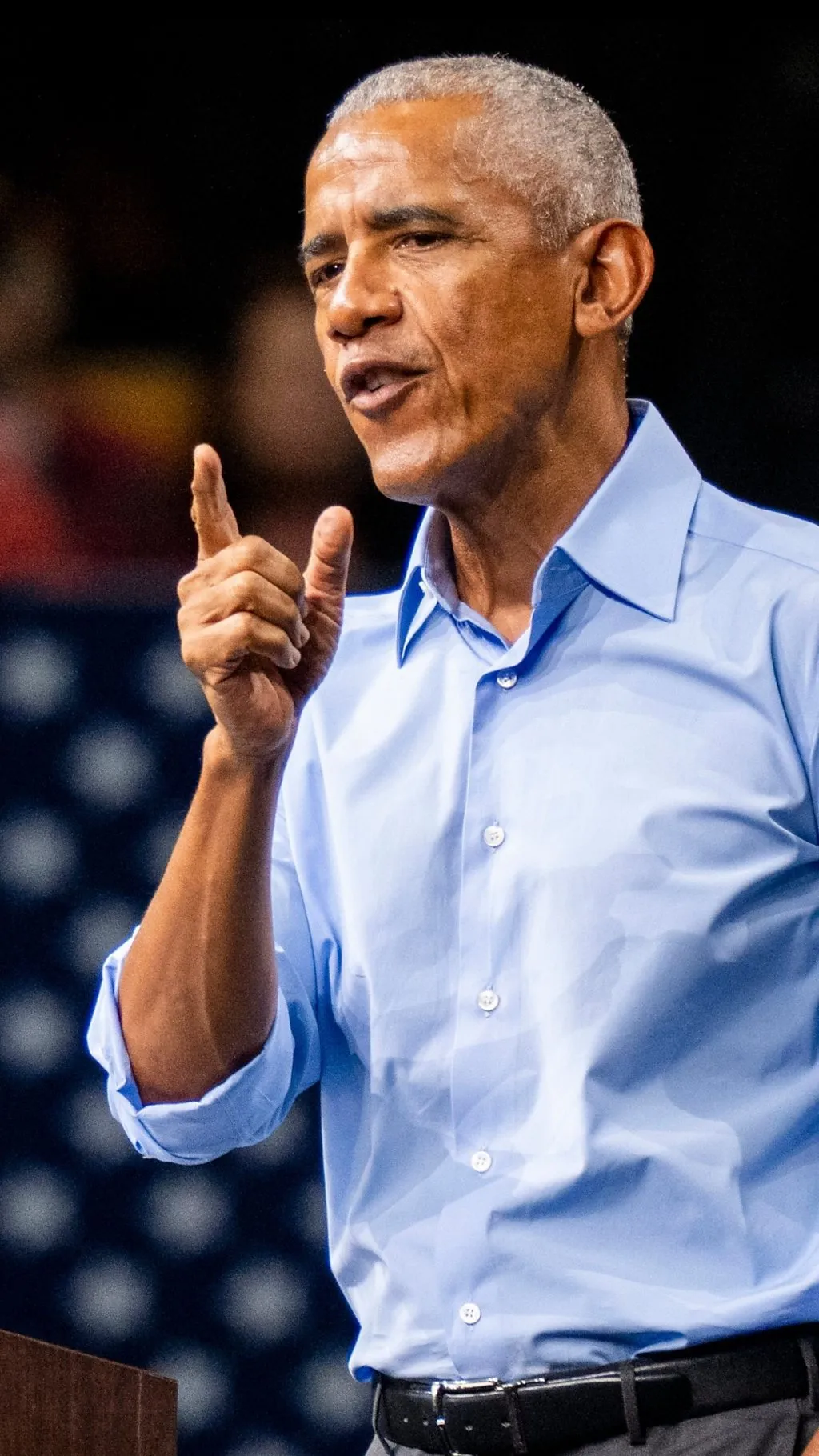
Former President Barack Obama attacked Trump's handling of the war while stumping for Democrats in Ohio on Saturday. Obama said Trump's team are not serious people and that ordinary people pay the price. He argued Iran did not have nuclear weapons because of the deal he put in place, and that he did not have to fire a missile. Obama said the war has run down US missile stocks and given Iran veto power over the Strait of Hormuz.
What the war has cost
Iran is preparing for the possibility of new strikes regardless of the midterm results, according to Sasan Karimi, a former government official and foreign policy professor at the University of Tehran. Karimi said Iranian leadership believes Trump likely will order new strikes regardless of the election outcome and are planning for those scenarios. Iran's parliament speaker Mohammad Bagher Ghalibaf called for a campaign to cut gas consumption by at least 10% as winter approaches.
Pressure from opponents and allies
Military assets continue to build in the region. The US has sent more forces, including a third aircraft carrier group, towards the Arabian Gulf in recent weeks. Admiral Brad Cooper, head of US Central Command, visited the Strait of Hormuz on Sunday. Centcom said the US has helped Gulf allies export more than 1.5 billion barrels of crude since summer and cleared the strait's international shipping lanes of sea mines laid by Iran's Revolutionary Guard Corps.
The US is also reducing diplomatic and military staff in parts of the Middle East. On Sunday, the US embassy in Saudi Arabia said government employees need special authorisation to use any airport in the country and cannot travel within 20 miles of the Yemen border. Israeli Prime Minister Benjamin Netanyahu warned that Iran and its proxies could try to disrupt Tuesday's Israeli elections, saying: don't test us.
What happens next
Allies are watching closely. In Australia, disquiet among Labor MPs over Trump's Iran war is growing, with some wanting Prime Minister Anthony Albanese to distance himself from an unpopular president. The Australian government supported the action against Iran in February, citing the need to prevent Iran from acquiring nuclear weapons. The closure of the Strait of Hormuz sent Australia's government into a panic over low domestic fuel supplies and high bowser prices.
The next fixed point is the US midterm elections on November 3, which Trump has said he will wait for before striking Iran. Officials warn the stretch between the election and the new Congress taking office could be particularly dangerous. Trump has said he would not strike Iran until after those elections, leaving the choice between a deal and finishing the war off open until then.
Frequently asked questions
What choice does Trump say he faces on Iran?
Trump said on Sunday he is deciding between reaching a deal with Iran and taking action to finish the war off, telling Fox News he has a decision to make. He told reporters at the White House there would not be a strike that day.
When are the US midterm elections and how does that affect a strike?
The midterm elections take place on November 3. Trump has said he would not strike Iran until after those elections, and officials warn the period between the election and the new Congress taking office could be particularly dangerous.
What has the war cost so far?
The Pentagon says 21 American service members have been killed and 865 wounded in operations related to the war. The war has run for nearly eight months, and Trump has said he would not strike Iran until after the midterms.