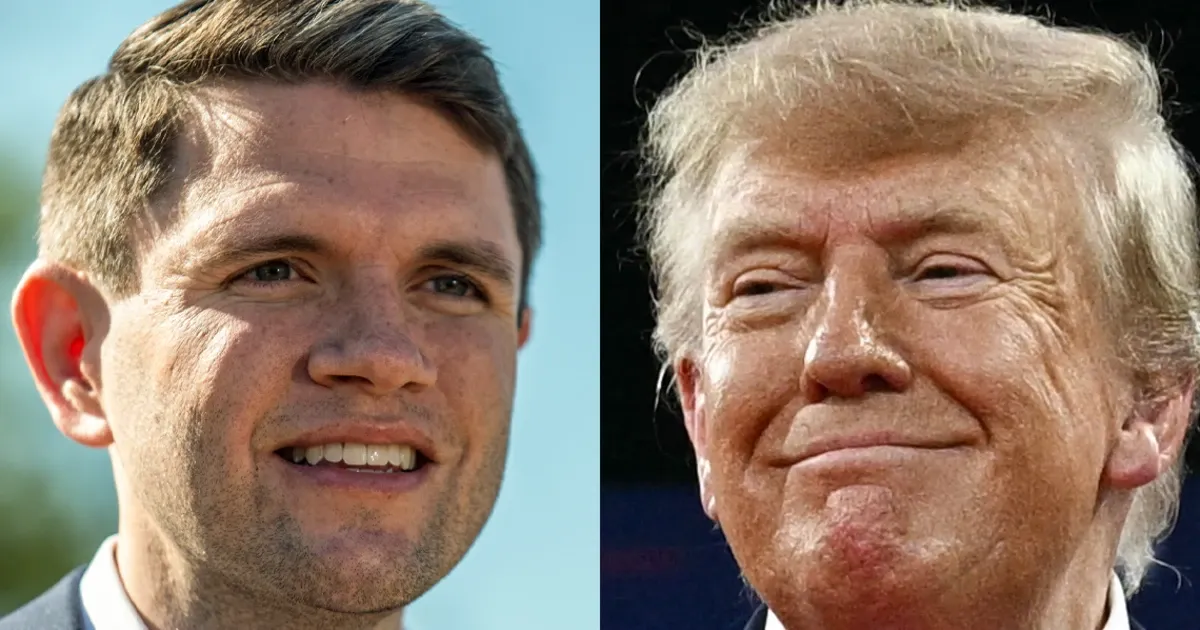
Trump terminates Biden methane rules at Lubbock rally, saving $45 billion
President Donald Trump said on 27 October 2026 in Lubbock, Texas, that his administration is terminating Biden-era methane rules, a change the Environmental Protection Agency says saves $45 billion.
 Photo: The Verge
Key points
President Donald Trump announced on 27 October 2026 in Lubbock, Texas, that his administration is terminating Biden-era methane regulations on oil and gas operators.
President Donald Trump said on 27 October 2026 at a campaign rally in Lubbock, Texas, that his administration is terminating Biden-era methane regulations on oil and gas operators. Trump said the change would save consumers and energy producers $45 billion in costs and unlock 210 million barrels of oil, equivalent to about 10 days of US petroleum consumption. The announcement targets rules that required operators to minimise leaks, flaring and venting of methane.
The rollback matters because methane is a smog-forming pollutant and a powerful greenhouse gas up to 80 times as potent as carbon dioxide on a 20-year horizon. It has caused about 30 percent of global warming so far, yet dissipates in a little over a decade, unlike carbon dioxide, which can linger for hundreds or thousands of years. Cutting methane leaks is therefore one of the fastest ways to slow rising temperatures, which is why reversing the rules draws sharp objection from health and environmental advocates.
What the rollback changes
The Environmental Protection Agency plans to undo Biden-era rules expected to cut methane emissions by 80 percent over 14 years. The agency will step back standards for marginal wells, old wells producing little fuel but generating outsize pollution, and end the Super Emitter Program, which required operators to investigate large releases of 100 kilograms per hour or more detected by third parties using EPA-approved remote sensing technology. Administrator Lee Zeldin said the rollbacks save companies $45 billion, while the previous rules would have incurred $18 billion in regulatory costs.
The 2024 methane rule was the first federal requirement limiting methane from existing oil and gas facilities nationwide; an earlier Obama-era rule finalised in 2016 applied only to new and modified sources. Marginal wells produce just 6 percent of the nation's oil and gas while accounting for up to half of all methane emissions from oil and gas fields. The rule was coordinated with a methane fee in the 2022 climate law, charging up to $1,500 per metric ton of excess methane, which Congress repealed weeks after Trump took office.
The Biden methane rule was projected to prevent an estimated 58 million tons of methane emissions by 2038 and yield $98 billion in benefits by 2034, figures derived from calculating the future social costs of greenhouse gas emissions on public health and the environment, an approach rejected by Trump's EPA. Plugging leaks was also supposed to recover up to $13 billion of natural gas. The rule was announced during a 2023 UN climate conference in the United Arab Emirates and finalised in 2024.
Where the numbers came from
The Environmental Protection Agency last year imposed an 18-month delay to give companies time to meet new inspection requirements. Since the agency announced in March 2025 it would no longer enforce oil and gas regulations, operators have leaked, vented or flared $7 billion worth of natural gas, according to calculations by the Environmental Defense Fund. In March 2025, Zeldin said the agency was reconsidering the Biden-Harris regulations to ensure they did not prevent America from unleashing energy dominance.
Records obtained by Fieldnotes, an oil and gas watchdog, including calendar events, presentation slides and meeting request forms, show industry groups and companies met with the Environmental Protection Agency to discuss methane regulations at least 38 times during the current administration's first year. Julia Kane, a Fieldnotes researcher, said the oil and gas industry presents itself as a good-faith partner while working behind the scenes to delay and weaken rules. Independent Petroleum Association of America executive Lee Fuller told industry representatives on a conference call that EPA staff were suddenly willing to discuss things the industry had pushed for years.
Opposition came from health and environmental advocates. Celerah Hewes of Moms Clean Air Force called the rollback a massive blow to efforts to safeguard children's health and the climate. Environmental Defense Fund president Fred Krupp said the change gives companies a free pass at consumers' expense and that the agency should be fighting waste rather than making it easier. Rosalie Winn, senior director and lead counsel at the Environmental Defense Fund, said the administration is enabling the worst polluters to make more money off American consumers while wasting energy.
Industry access and opposition
Trump made the announcement as he faces criticism over high fuel prices stemming from the US war in Iran, aiming to encourage more domestic drilling. Texas is the top oil and gas producing state and the world's biggest data center market, with more capacity under construction than any other state. A Houston Advanced Research Center report found data centers could undo decades of air quality improvements in Texas within five years. The loosening is part of a broader dismantling of Biden climate policies, including revoking a scientific finding central to US greenhouse gas action, lowering vehicle fuel economy standards and moving to repeal emission restrictions for coal and natural gas power plants.
Frequently asked questions
What did Trump announce on 27 October 2026?
President Donald Trump said at a Lubbock, Texas rally that his administration is terminating Biden-era methane regulations on oil and gas operators, calling them expensive and unnecessary.
How much does the Environmental Protection Agency say the rollback saves?
The agency says the proposal saves $45 billion in costs to consumers and businesses, and unlocks 210 million barrels of oil.
Why does the methane rule matter for climate?
Methane is up to 80 times as potent as carbon dioxide over 20 years and has caused about 30 percent of global warming, but dissipates in a little over a decade, making cuts fast-acting.