Trump waives Russia sanctions two days before they take effect
President Donald Trump signed an executive order on 16 October 2026 waiving 500% tariffs and 100% duties on Russian oil buyers set for 18 October, drawing backlash from Congress.
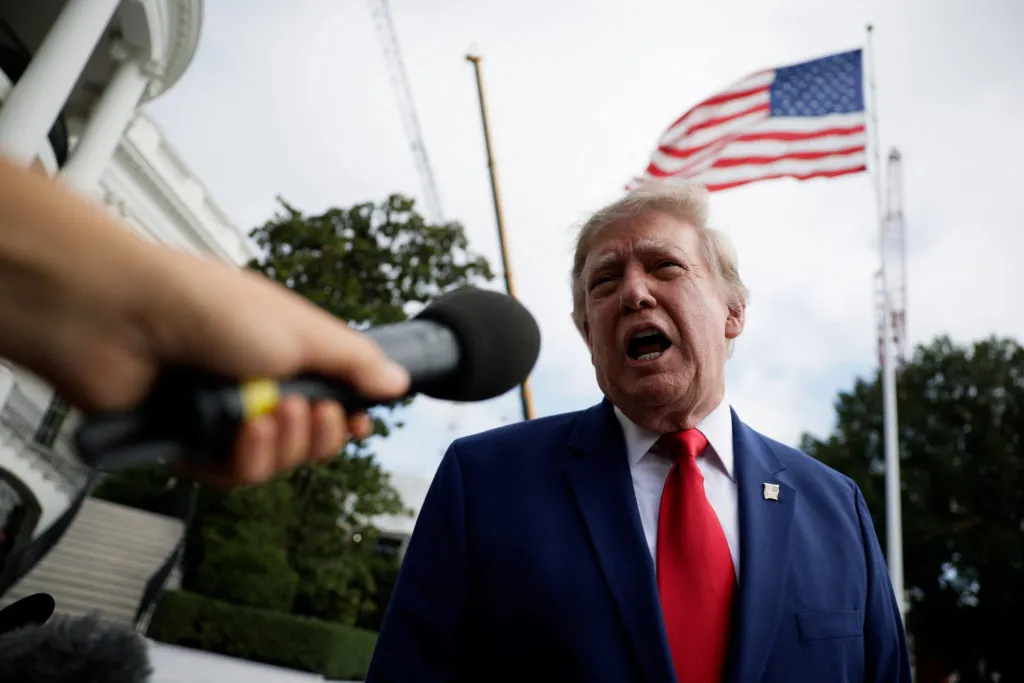 Photo: PBS NewsHour
Key points
Trump signed an executive order on 16 October 2026 waiving sweeping Russia sanctions and tariffs that were set to take effect on 18 October, drawing bipartisan backlash from Congress.
President Donald Trump signed an executive order on Friday, 16 October 2026, waiving sweeping sanctions and tariffs on Russia that were set to take effect on Sunday, 18 October. The order suspends 500% tariffs on Russian imports and 100% duties targeting the five largest buyers of Russian oil and natural gas, just two days before they were scheduled to begin under legislation Trump signed a month earlier.
What the executive order suspends
Trump relied on Section 115 of the Graham Act, which allows sanctions, restrictions and tariffs to be waived if the administration certifies that doing so serves US national interests. In the executive order, Trump wrote: "I have submitted to the Congress a certification that the issuance of such a waiver at this time is in the national interests of the United States." The legislation also requires a report explaining the basis for that determination.
The suspended measures include an additional 500% duty on goods imported from Russia, a 100% duty on imports from the five largest buyers making new purchases of Russian oil or natural gas beginning 18 October, and a 100% duty on goods from the five leading countries facilitating Russian oil sanctions evasion. The order also shields major Russian energy customers, potentially including China and India, from new US trade penalties while the waiver holds.
Sen. Thom Tillis, R-N.C., called the decision "Beyond irresponsible" on social media. Tillis asked: "What part of enforcing a law passed 86-11 by the Senate does the President and his advisors not understand?" He added that it is "unconscionable that this administration is capitulating to a Russian dictator who illegally invaded Ukraine." Sen. John Cornyn of Texas said "Lindsey would be appalled," referring to the late Sen. Lindsey Graham.
Congressional backlash grows
Senate Democratic leader Chuck Schumer said that "by giving the Russian economy life support, Trump's deal with the devil keeps getting dirtier." Sen. Elizabeth Warren said Trump is "thumbing his nose" at Congress and "enabling Vladimir Putin to continue his war of aggression." New York Rep. Gregory Meeks, the ranking Democrat on the House Foreign Affairs Committee, introduced legislation on Friday that would block Trump's diesel deal with Putin.
Ukrainian President Volodymyr Zelensky said on Saturday morning that the sanctions "could have helped enormously" and that the law was "supposed to impose truly effective pressure on Russia to bring this war to an end." He pointed to Russian overnight attacks on 15 Ukrainian energy facilities that had caused power cuts in several regions, saying: "Russia is trying to cause a blackout in Ukraine – right before winter."
Ukraine responds to the waiver
The next steps are uncertain. The House and Senate are on recess until after Election Day, and it is unlikely Congress would be in a position to challenge Trump's moves until lawmakers return to Washington. Zelensky told reporters that negotiators spoke to their US counterparts on Friday and that both teams could meet next week.
Frequently asked questions
What sanctions did Trump waive?
Trump's executive order of 16 October 2026 waived 500% tariffs on Russian imports and 100% duties on the five largest buyers of Russian oil and natural gas, plus duties on countries facilitating sanctions evasion, all set to take effect 18 October under the Lindsey O. Graham Sanctioning Russia and Iran Act of 2026.
Why did Trump waive the sanctions?
Trump invoked Section 115 of the Graham Act, which allows sanctions to be waived if the administration certifies it serves US national interests. He stated he submitted a certification to Congress.