Healey gives 20 million UK households £100 energy payment in first Budget
Chancellor John Healey announced a £100 energy payment for 20 million households in council tax bands A to D on 28 October, funded partly by a 3% bank surcharge rise lasting 15 months.
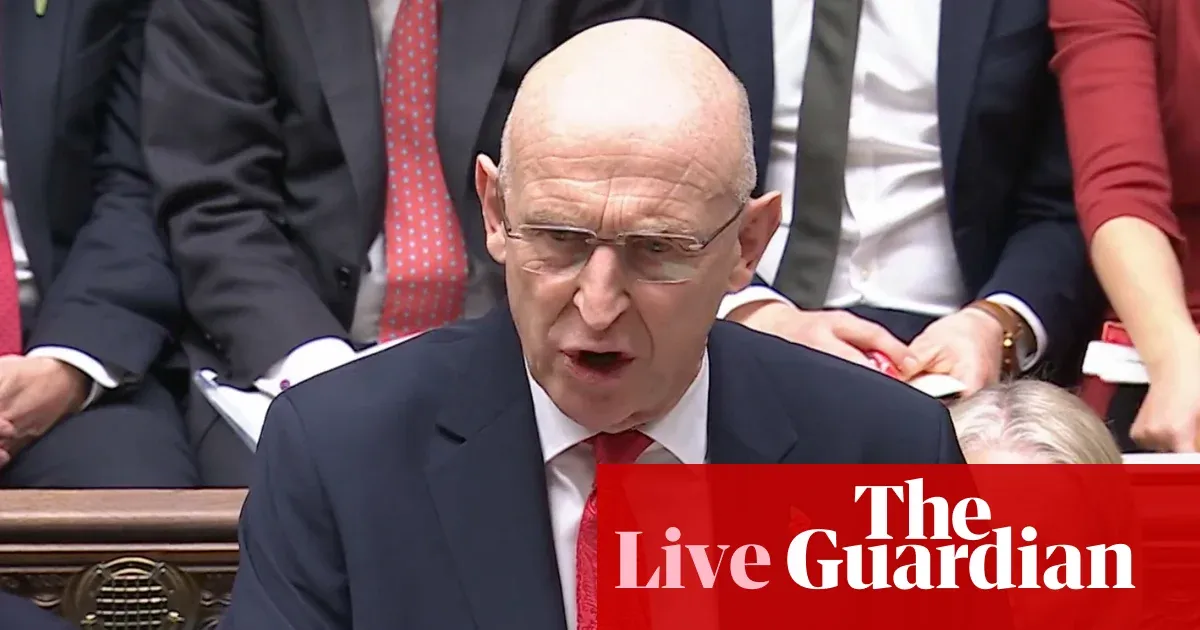 Photo: The Guardian
Key points
Chancellor John Healey announced a £100 energy payment for 20 million UK households in his first Budget on 28 October, funded partly by a 3% bank surcharge rise.
Chancellor John Healey announced a £100 energy payment for 20 million households in council tax bands A to D in his first Budget on 28 October, a £2.6 billion scheme paid directly into bank accounts. Speaking in the Commons, Healey said the payment would help families through the coldest months, as rising energy bills bite amid conflict in the Middle East.
The payment matters because it is the largest direct household support in this Budget, arriving as energy bills climb and inflation runs at 3.5% in the year to September, the highest rate since October 2025 and above the Bank of England's 2% target. Household energy bills are forecast to rise by £276 in January, the biggest increase in four years reporting.
Why the payment matters now
Healey said he would fund the support partly by asking more of banks. Banks will pay an extra 3% on the Bank Surcharge, a tax on bank profits, for 15 months starting in January. Healey told the Commons that amid global economic storms he was looking to banks to help fund breathing space for British families.
Gambling taxes will also rise to fund high street support. Machine Games Duty on higher-stakes machines will increase from 20% to 25%, while pubs, clubs and music venues will see business rates cut by 20% from April. The small business rate relief threshold for retail, hospitality and leisure rises from £12,000 to £18,000, taking 70,000 more businesses out of paying rates.
The Office for Budget Responsibility forecasts put UK growth at 1.2% in 2026, up from 1.1% forecast at the spring statement, but falling to 1.0% in 2027 from 1.6% previously forecast, before recovering to 1.6% in 2028, 1.8% in 2029 and 1.7% in 2030. Borrowing is set to fall to 4.2% this year and 1.8% by 2030-31.
How the banks and gambling taxes pay
Debt as a share of gross domestic product rises to 83.2% this year and 83.8% next year, before dipping to 81.7% in 2031-32. Headroom against the government's fiscal stability rule is £15 billion in 2029/30, rising to £22 billion in 2030/31, the Office for Budget Responsibility confirmed. The National Living Wage will rise 3.9% to £13.21 an hour, and the 18-20 National Minimum Wage to £11.27, benefiting 2.3 million of the lowest-paid workers. The rise for younger workers is lower than in the previous two years, when Labour raised rates to meet a manifesto promise to remove discriminatory age bands.
Where the growth forecasts fell
VAT on electricity bills will be extended through winter and spring to July, taking £50 off the annual price cap. Standing charges on gas bills will be removed for about 23 million homes, averaging £108 a year, though the Treasury estimates three-fifths of households will see an average saving of £45 a year once offset by higher unit costs.
Capital gains tax changes include reducing the Business Asset Disposal Relief threshold from £1 million to £500,000, with no change for three in four claimants. From April 2027, tax rates on income from property and savings rise by two percentage points, while 88% of people will pay no more tax on savings, Healey said.
What remains disputed or unconfirmed
The government will keep the £20,000 tax-free Cash ISA allowance, abandoning a planned reduction, and develop a new Starter ISA for first-time investors. An additional £20.4 billion will go to the National Wealth Fund and the British Business Bank, expected to support 140,000 jobs, alongside removing regulations and tariffs worth £800 million.
Chancellor Healey was heckled in the Commons after mistakenly saying Energy Secretary Miatta Fahnbulleh opposed the Jackdaw gas field, before correcting himself to say she approved it. He said Britain is defying expectations, with the economy the fastest growing in the Group of Seven alongside the United States in the first half of the year.
The Office for Budget Responsibility will publish economic forecasts for the next five years once the Chancellor sits down, setting out whether the fiscal rules are met. The bank surcharge increase starts in January and ends 15 months later, while business rates cuts for pubs, clubs and music venues take effect from April.
Frequently asked questions
How much is the UK energy payment and who gets it?
Chancellor John Healey announced a £100 energy payment for 20 million households in council tax bands A to D, a £2.6 billion scheme paid directly into bank accounts during the coldest months into spring.
How is the energy payment funded?
Banks will pay an extra 3% on the Bank Surcharge for 15 months starting in January, and Machine Games Duty on higher-stakes machines rises from 20% to 25%, helping fund household energy support.
What are the UK growth forecasts for 2026 and 2027?
Office for Budget Responsibility forecasts put UK growth at 1.2% in 2026, up from 1.1% forecast at the spring statement, but falling to 1.0% in 2027 from 1.6% previously forecast, before recovering to 1.8% in 2029.