Ukraine allies meet in Berlin after China trilateral talks
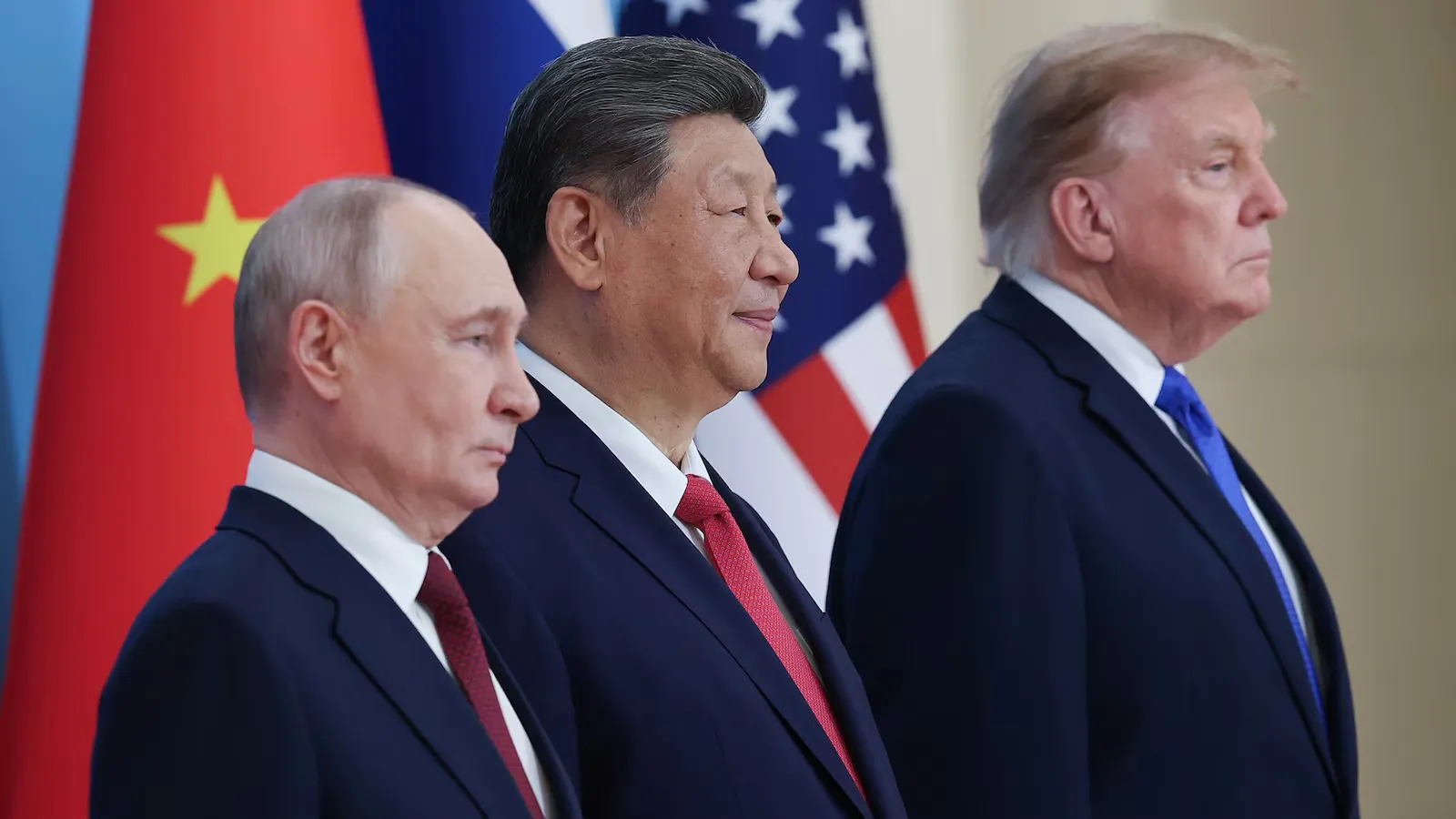
More than 25 leaders gathered in Berlin on 19 November to discuss support for Ukraine following talks between Trump, Putin and Xi in China.
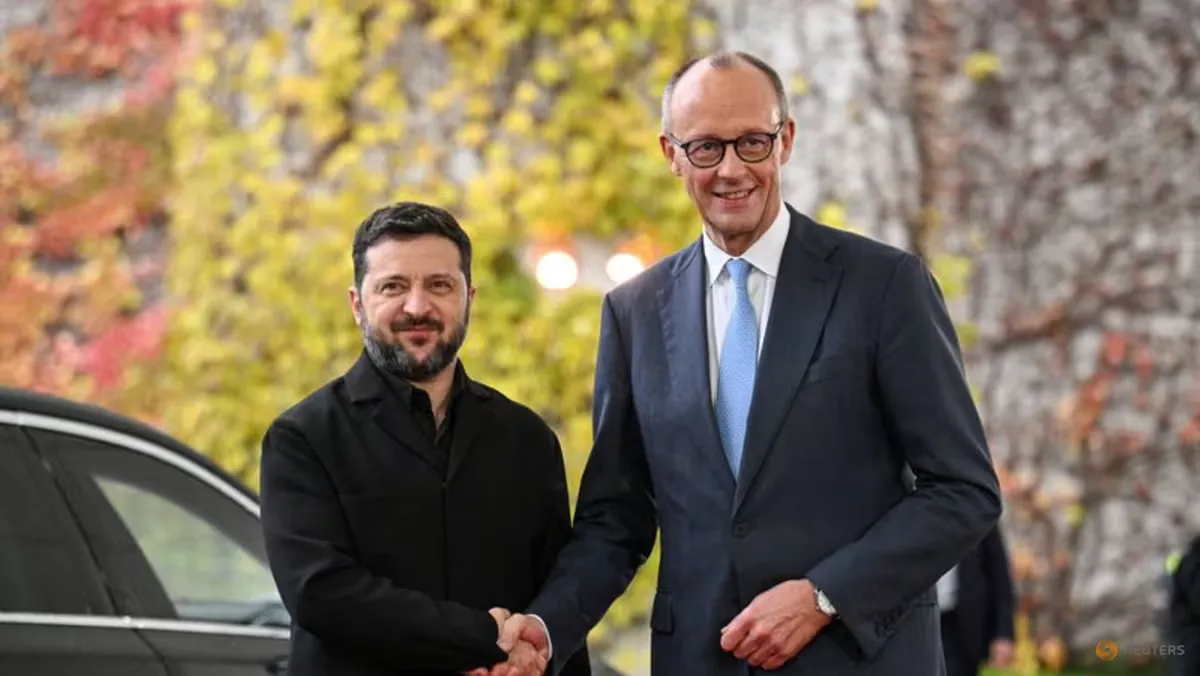 Photo: Channel News Asia
Key points
Ukraine allies met in Berlin to coordinate support after Trump, Putin and Xi held talks in China.
More than 25 leaders gathered in Berlin on 19 November for a Coalition of the Willing summit. Ukrainian President Volodymyr Zelenskyy and European allies met to stress support for Kyiv. The meeting focused on wartime aid and European roles in future peace talks following discussions in China. Officials aimed to align positions before any potential negotiations with Moscow.
Berlin meeting aims for results
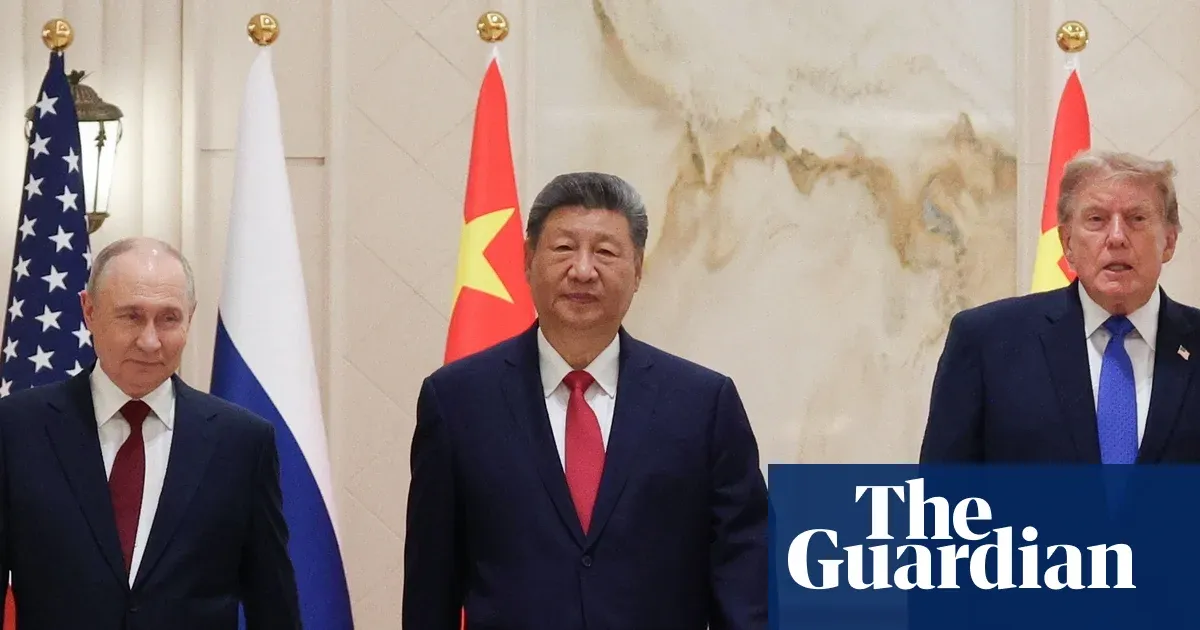
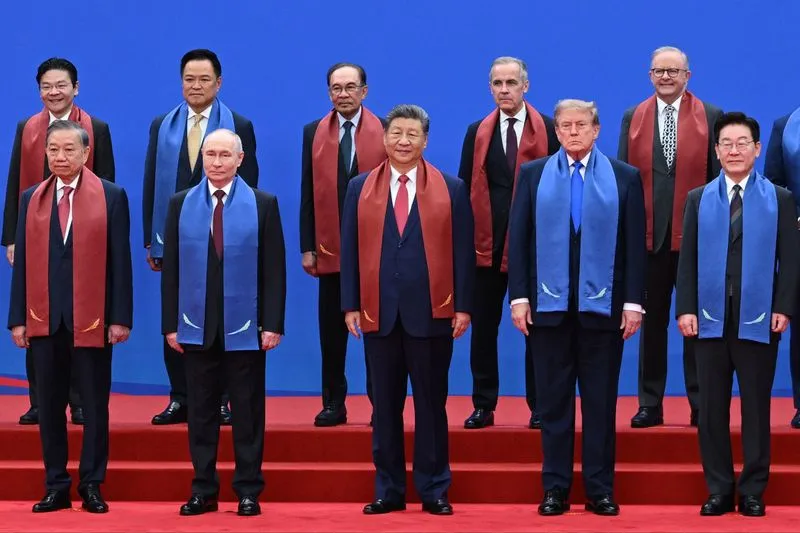
German Chancellor Friedrich Merz welcomed Zelenskyy at the Chancellery. The summit was co-hosted by leaders from Germany, France and Britain. It occurred shortly after US President Donald Trump, Russian President Vladimir Putin and Chinese President Xi Jinping held talks in Shenzhen. The Berlin gathering sought to maintain momentum for Ukraine after the trilateral meeting.
Zelenskyy said bilateral talks addressed countering drones and protecting energy infrastructure. He stated it was important the meeting deliver results. Merz, Macron and UK Prime Minister Andy Burnham joined Zelenskyy for discussions. The leaders discussed continuing support as Ukraine faces its fifth winter of war. They also reviewed diplomatic efforts to end the conflict.
US envoys Jared Kushner and Steve Witkoff attended the Berlin meeting. Kushner told Merz that Trump wanted a just and lasting peace. He said the US would work with European partners to align positions. This coordination aims to prepare for the next round of negotiations involving Ukraine and Russia. The envoys briefed European leaders on the China outcomes.
China talks influence diplomacy
Trump called into the Berlin meeting from Air Force One. He questioned why European countries continued spending billions on Ukraine support. Three anonymous officials said Trump expressed scepticism about further aid. He suggested Putin was serious about peace negotiations. This call introduced uncertainty about American commitment to the Coalition of the Willing.
Putin invited European leaders to Moscow through diplomatic channels. He said talks could continue after they arrived in Russia. However, he ruled out all military ties between Ukraine and Europe. He called military cooperation a problem for any potential deal. This stance complicated European security guarantees proposed by the alliance.
Macron said Europe must support Ukraine to maintain credibility in negotiations. He suggested it might be the right time to discuss Ukraine NATO membership. Macron noted Russia had not submitted concrete peace proposals. He said the coming weeks would be critical for Ukraine. The coalition gathered to ensure Kyiv could defend itself.
Kushner said Trump believed peace was achievable after the China talks. He mentioned progress on a postwar prosperity plan and prisoner exchanges. He said a Article 5 type security guarantee was being considered. However, he acknowledged Russian scepticism about this concept. The US wants America to be part of a broader security package.
Funding gaps remain
The European Union proposed a 45 billion euro loan for Ukraine. This aims to plug a 70 billion euro funding shortfall next year. Merz insisted all 27 EU member states help finance Ukraine. Germany has emerged as the biggest provider of military aid. The US has scaled back support recently forcing European contributions.
Security guarantees discussed
Putin vowed a painful response to attacks on the Crimea bridge. Kyiv attacked the bridge again on Thursday. Russian strikes continue to hammer Ukraine energy infrastructure. The bridge is a key transport artery annexed Crimea to Russia. Ukraine has targeted Russian oil facilities and this transport link recently. Burnham said the mood at the meeting was united and determined. He stated Europe has a clear negotiating position. He said the coalition would support Ukraine as long as it takes. Burnham warned Moscow against setting unrealistic security demands. He emphasized that the aggressor should not dictate terms for peace.
Merz called the China meeting a photo opportunity. He said the Berlin summit worked on substantive outcomes. He said allies will continue providing robust support throughout the coming year. Merz said peace negotiations must happen from a position of strength. He stressed that peace in Ukraine must come before transatlantic security agreements.
Frequently asked questions
What was the main goal of the Berlin meeting
The leaders aimed to coordinate support for Ukraine and discuss European roles in future peace talks following the trilateral meeting in China.
How did the leaders feel about the China talks
European leaders viewed the China meeting as a photo opportunity while working on substantive outcomes in Berlin to support Ukraine.
What did Russia demand regarding Ukraine security
Russia rejected any military ties between Ukraine and Europe stating such cooperation was a problem for any potential peace deal.