United restricts AI agents from booking flights over privacy and rules
United Airlines will block unauthorized AI agents from booking flights, citing privacy risks and potential violations of FAA and DOT regulations.
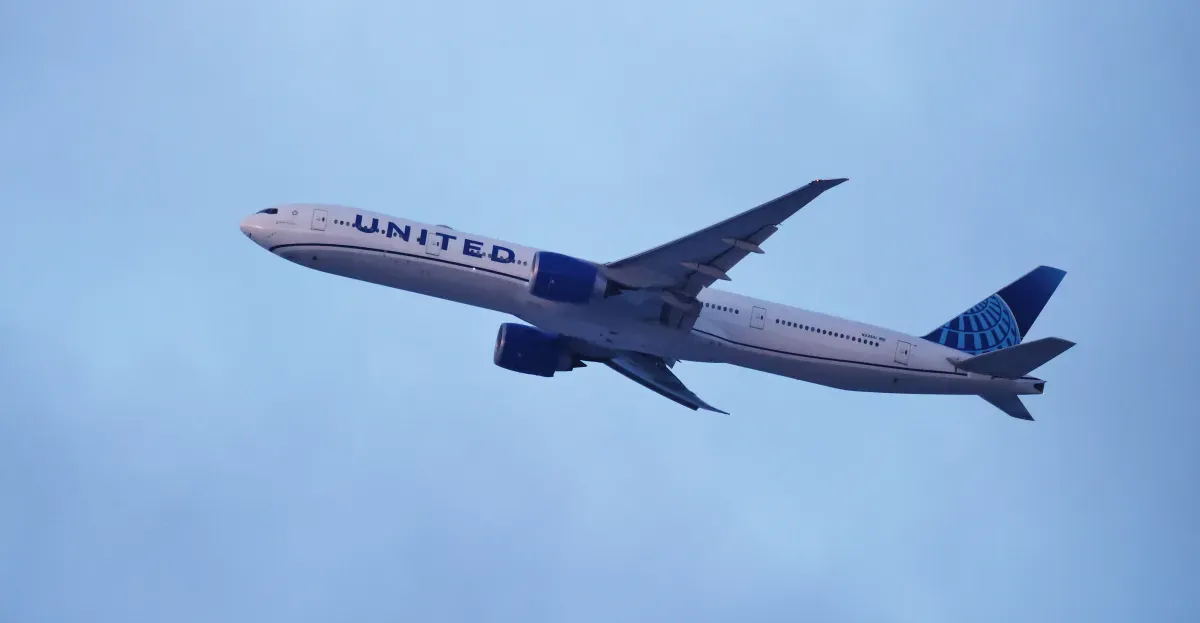 Photo: The Verge
Key points
United Airlines will block unauthorized AI agents from booking flights to protect customer data and comply with federal regulations.
United Airlines announced on 11 November that it will restrict unauthorized AI agents from booking flights, citing privacy and regulatory concerns. The policy applies to its website, third-party travel agencies, and flight aggregators. The airline said AI agents could expose customers' personal data to third-party companies, take actions that might result in unintended purchases, or alter account details. United also noted potential violations of Federal Aviation Administration and Department of Transportation regulations. For example, flight check-in requires human acknowledgment that bags do not contain banned substances like explosives.
Privacy and regulatory concerns
United CEO Scott Kirby expressed reluctance about agentic commerce. "To be honest, I don't want to create another middleman," he said at an event on Tuesday. The decision could limit the usefulness of newer personal AI assistants like Meta's Muse and OpenAI's Dots. While AI agents can still show users United flights, they won't be able to complete transactions on their behalf. The policy extends to travel agencies and online booking aggregators. United plans to revise its booking, ticketing, and distribution policies to enforce the restrictions across relevant sales channels.
United is not alone in blocking AI agents. eBay appeared to block agents from browsing its site, and several major banks have also placed restrictions. JPMorgan Chase and Amazon block agents from using their products to avoid security and privacy issues. The moves reflect growing concerns about AI agents transacting on business sites.
Industry-wide restrictions
The airline cited risks of giving payment details or log-in credentials to an agent, which could lead to unintended purchases, account changes, or use of MileagePlus miles. United also wants to avoid association with agent-based embarrassments, such as when Meta's Muse leaked a user's address online. The company aims to maintain control over customer account access.
United's announcement comes as Silicon Valley giants race to have users adopt their digital assistants. Meta, Google, OpenAI, and Anthropic have released AI agents that can manage tasks like booking restaurant reservations and shopping. Meta's Muse agent reportedly exceeded 10 million users in October, reflecting demand for automated assistance. Agentic commerce might not be taking off with regular people. During its recent third-quarter earnings call, Uber shared that it handled 320 million trips and deliveries during the week of Halloween; of those, AI agents were responsible for 500 Uber Eats orders and only four rides.
United said it will continuously review how to respond to the use of AI agents as those personal assistants evolve, "with a focus on protecting our customers." The airline has not identified a specific FAA or DOT enforcement action concerning third-party AI bookings. United will update its Digital Trust Center with information about account protection and unauthorized transactions. United continues expanding its airport infrastructure, including the newly opened Concourse E at Washington Dulles International Airport. The facility opened 10 November with 14 United gates, direct AeroTrain access, and a nearly 40,000-square-foot United Club. The new concourse supports the carrier's broader expansion at the Washington-area hub.
Frequently asked questions
Why is United restricting AI agents from booking flights?
United cited privacy risks, potential unintended purchases, and possible violations of FAA and DOT regulations. The airline wants to protect customer data and ensure human acknowledgment for safety procedures like baggage checks.
What can AI agents still do on United's site?
AI agents can still display United flight prices and review ticket options, but they cannot complete bookings or log into user accounts. The restriction applies to United's website, travel agencies, and aggregators.
How did United's stock react to the announcement?
United shares fell 1.62% to $118.61, losing $1.95. The decline reflects investor response to the new AI booking restrictions.