US proposes tariffs on China, EU and 12 other partners
The Trump administration proposed new import taxes on 14 economies on 25 November, with Chinese goods facing an additional 20% and a possible 40% ceiling.
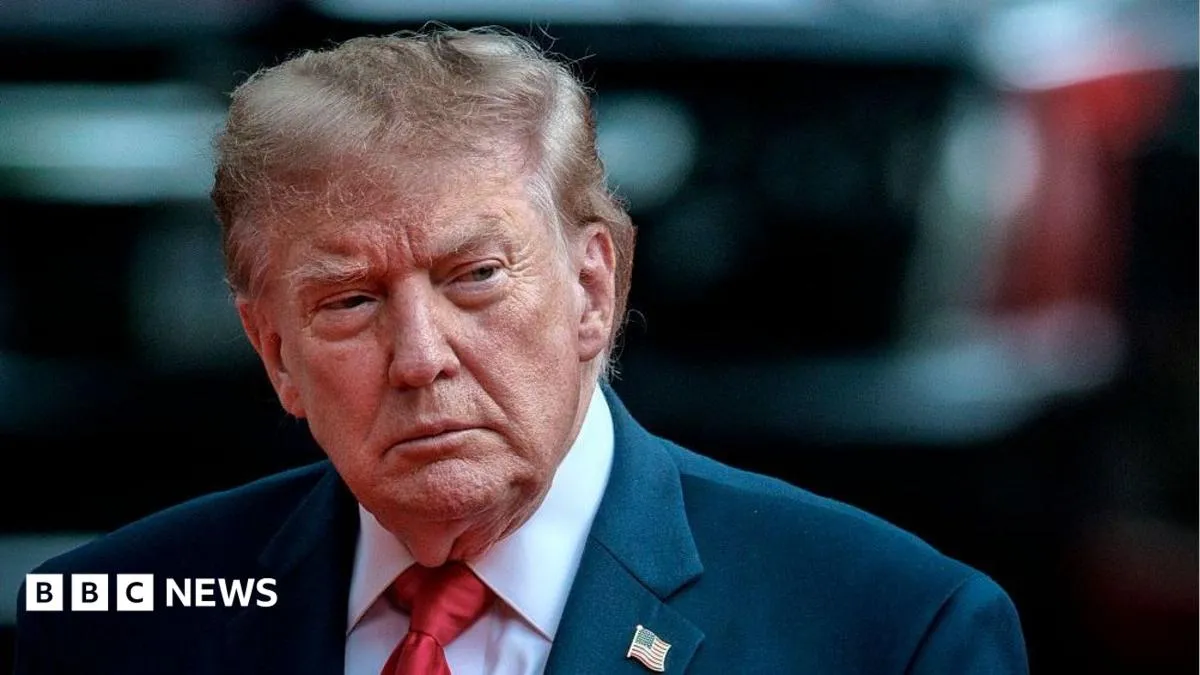 Photo: BBC News
Key points
The Trump administration proposed tariffs on 14 trading partners, including an additional 20% on Chinese goods that could reach 40% if a trade truce fails.
The Trump administration proposed new tariffs on imports from 14 economies on 25 November, including China, the European Union, Japan and Taiwan. Chinese goods would face an additional 20%, and the rate could rise to 40% if a trade truce between Washington and Beijing does not produce a favourable deal. The duties are not expected to take effect until next year.
The proposal follows a months-long investigation into what the administration calls excessive factory output in those economies, boosted by subsidies and trade barriers that it says put American manufacturers at a disadvantage. The taxes are also meant to help replace tariff revenues lost after the Supreme Court ruled in February that Trump could not declare an economic emergency to bypass Congress and impose across-the-board tariffs.
How the rates compare
China faces the highest rate of up to 40%, followed by Vietnam at up to 35%. For some Chinese goods, the new 20% tariff will stack on top of other import taxes for a total rate of 45%.
The legal basis is Section 301 of the Trade Act of 1974, which lets the US government investigate and retaliate against foreign trade practices that violate existing deals, are not justified by market forces or discriminate against American goods. A senior administration official told reporters the new tariffs would be consistent with trade deals Trump reached last year with dozens of countries after threatening severe tariff hikes.
The new import taxes target specific products and would not stack on top of separate tariffs on automobiles, steel, aluminium and other products imposed under Section 232 of the Trade Expansion Act of 1962. Nor would they stack on top of levies of 10% to 12.5% announced in July for 60 trading partners that the White House said have inadequately enforced bans on goods produced by forced labour.
Why the probe began
Brazil was separately singled out on 25 November for extra punishment after talks on trade issues stalled. The US is proposing higher import taxes for raw and refined sugar and a new 10% tariff on aircraft, a move that would hit Embraer, Brazil's largest aircraft maker. The administration argues that these countries' industrial policies have undercut American companies, contributing to a trade deficit in goods that has recently exceeded $1 trillion annually.
US Trade Representative Jamieson Greer said the tariffs would "level the playing field for American workers and chart a new, more sustainable course for the world economy". He claimed many trading partners had "for decades" adopted industrial strategies including "targeting manufacturing, wage and labor suppression" and other market-distorting practices. Greer said he did not expect the tariffs to rattle the global economy.
Stephen Brown, chief North America economist for Capital Economics, said the announcement was "not as alarming as it looks", because the taxes were "essentially replacing" previously announced tariffs made in the summer. He said the increase in the effective tariff rate looked set to be a touch lower than his firm had assumed, though the new tariffs would still provide a marginal boost to prices.
What China and Europe say
The European Commission rejected the new US tariffs, saying it would investigate the US's reasons for bringing them in, and pointed out that tariffs are limited to the 15% previously agreed. China's Ministry of Foreign Affairs restated its opposition and called for dialogue. "A tariff war or a trade war serves no party's interests," spokesperson Guo Jiakun said, adding that "the so-called overcapacity is a false narrative".
The proposal will undergo a period of public comment before taking effect, and Greer said he did not think any of the tariffs would take effect earlier than a couple of months from now. A senior administration official said there are two other countries with pending investigations: Mexico and Norway.
Frequently asked questions
What tariffs did the US propose on 25 November?
The administration proposed tariffs on 14 economies including China, the EU, Japan and Taiwan. Chinese goods face an additional 20%, with a possible 40% ceiling, while Vietnam faces up to 35%.
When would the new US tariffs take effect?
The duties are not expected to take effect until next year. They must undergo a period of public comment, and Jamieson Greer said none would start earlier than a couple of months from now.
Why is the US proposing these tariffs?
The administration says subsidies and trade barriers in these economies put American manufacturers at a disadvantage. The taxes would also replace revenues lost after the Supreme Court struck down the earlier across-the-board tariffs earlier this year.