Utah charges Kalshi and its CEO with 14 gambling counts
Utah's attorney general filed 14 criminal counts against prediction market Kalshi and its co-founders Tarek Mansour and Luana Lopes Lara on 28 October 2026, including 12 felony counts of online gambling promotion.
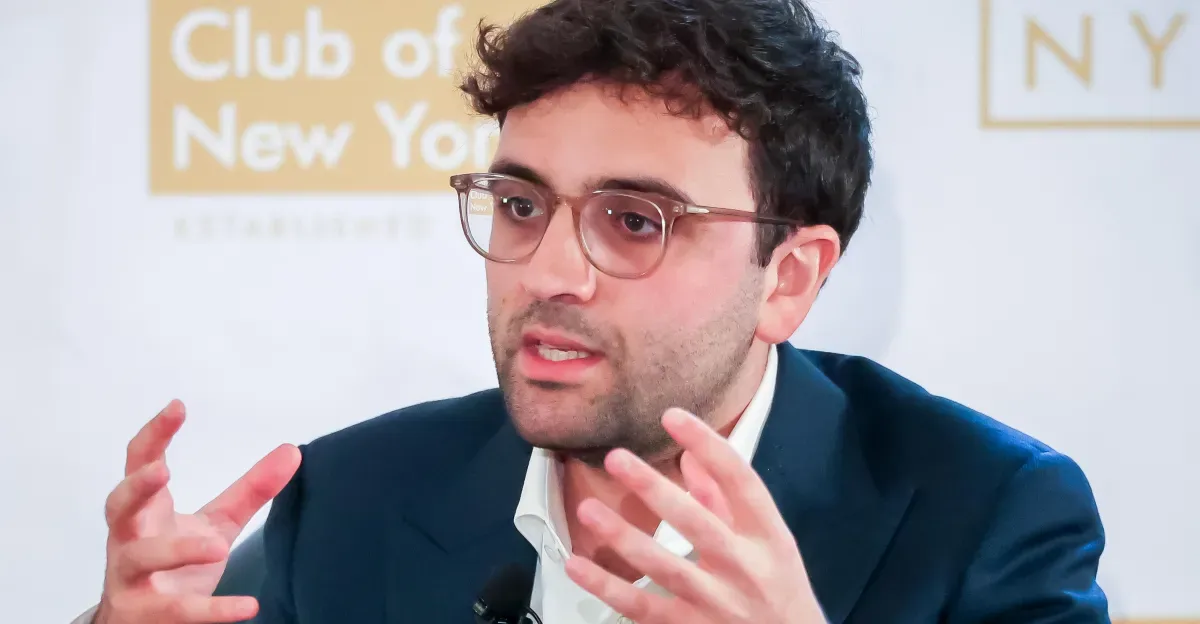 Photo: The Verge
Key points
Utah filed 14 criminal charges against Kalshi and its co-founders Tarek Mansour and Luana Lopes Lara on 28 October 2026, including 12 felony counts of online gambling promotion.
Utah filed 14 criminal charges against prediction market Kalshi and its co-founders Tarek Mansour and Luana Lopes Lara on 28 October 2026, including 12 felony counts of illegally promoting online gambling. The filing came one day after the Commodity Futures Trading Commission sued Utah on 26 October 2026, arguing it holds exclusive jurisdiction over federally registered prediction markets.
What the charges allege
The 14-count filing includes one second-degree felony count alleging a pattern of unlawful criminal activity, 12 third-degree felony counts of online gambling promotion, and one Class A misdemeanor count of general gambling promotion. Both Mansour, the chief executive, and Lopes Lara, the chief operating officer, could face prison time if convicted. The defendants have been issued summonses to respond, and no conviction has occurred.
Attorney General Derek Brown said a federal court had already ruled Utah's gambling laws apply to Kalshi, and that Kalshi kept taking bets from Utah residents anyway. In a statement to Gizmodo, Brown said gambling is illegal in Utah whether a person places the bet, runs the game, or promotes it, and that federal registration does not put a company above the law.
How the state built its case
The Commodity Futures Trading Commission sued Utah on 26 October 2026, announcing the action the following day, arguing federally registered derivatives exchanges fall under its authority and state gambling laws cannot prohibit covered contracts. Chairman Michael S. Selig said Congress entrusted the agency with sole responsibility to oversee these markets. The federal suit does not automatically dismiss Utah's criminal case.
The federal regulator pushes back
Kalshi rejected the charges. A spokesperson told Gizmodo the case is "a crazy overreach; Utah is clearly playing politics" and said the company looks forward to stopping it in court, as it did in Arizona. Arizona remains the only other state to bring criminal charges; every count there is a misdemeanor, and a federal judge blocked the case, though the state is seeking to revive it after a favourable Ninth Circuit ruling for Nevada.
The Commodity Futures Trading Commission did not immediately respond to questions emailed on 29 October 2026 about whether it will bring new legal action against Utah over the criminal charges. Kalshi and its executives have been issued summonses to respond to the case, and the charges remain allegations to be tested in court.
Frequently asked questions
What charges did Utah file against Kalshi?
Utah filed 14 criminal charges on 28 October 2026 against Kalshi, CEO Tarek Mansour and COO Luana Lopes Lara: one second-degree felony count of pattern of unlawful criminal activity, 12 third-degree felony counts of online gambling promotion, and one Class A misdemeanor count of general gambling promotion.
Why is the Commodity Futures Trading Commission suing Utah?
The Commodity Futures Trading Commission sued Utah on 26 October 2026, arguing federally registered prediction markets fall under its exclusive jurisdiction and that state gambling laws cannot prohibit contracts covered by the federal framework. Chairman Michael S. Selig said Congress gave the agency sole oversight responsibility.