Vance writes to Iran's Rezaei to revive peace talks before midterms
US vice president JD Vance sent a letter to Iran's top security official Mohsen Rezaei to revive peace talks, days before the 3 November US midterm elections and Trump's threat of new strikes.
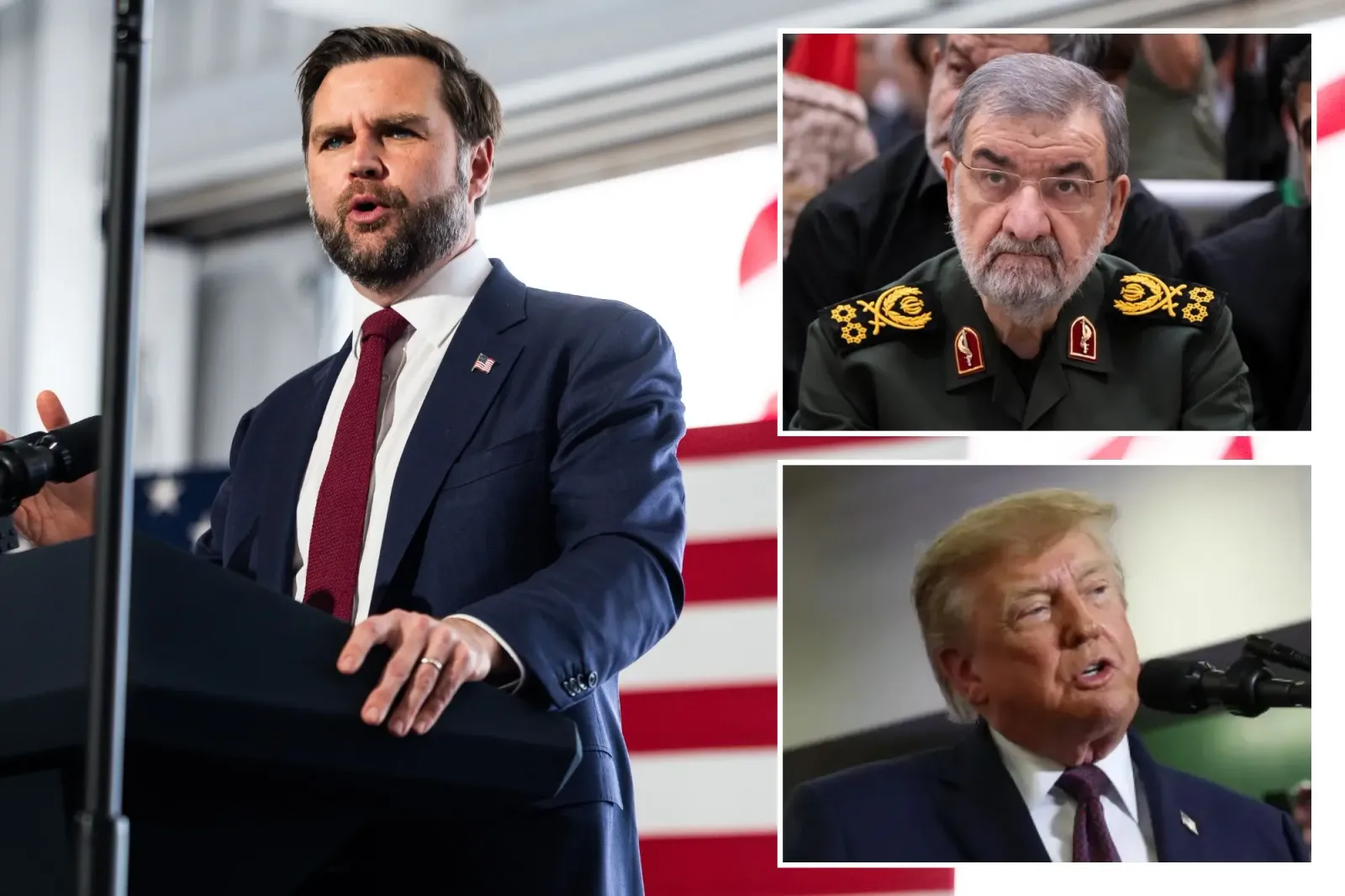 Photo: New York Post
Key points
Vice president JD Vance sent a letter to Iran's top security official Mohsen Rezaei in an effort to revive stalled peace negotiations, days before the 3 November US midterm elections.
The outreach came days before the 3 November US midterm elections and after President Donald Trump threatened new strikes on Iran.
The letter's purpose, according to the Journal's reporting, was to test whether Washington and Tehran could find enough common ground to persuade Trump not to order further strikes on Iran. Vance sought to determine whether the two nations could bridge their differences sufficiently to hold off a brief but intensive military offensive in the coming weeks, US officials told the newspaper.
What the letter sought
One source said the letter was sent at the request of Trump, but the president denied directing the initiative. When pressed ahead of a rally in Ohio, Trump replied simply, "No." He added that Vance had asked his view: "He asked me what I thought. I said, if you want to do that, that's okay."
Rezaei is a former commander of the Islamic Revolutionary Guard Corps whose influence is rising in Tehran, where he met on Sunday with a delegation from Pakistan, Saudi Arabia and Turkey. He has been hostile to negotiations with the US and threatened this month to expand Iranian attacks on neighbouring targets including data centers and Internet cables, the Journal reported.
Trump's account of the outreach
The US has not carried out a strike against Iran since early September, but the region has grown more volatile. Iran-backed Houthi rebels have attacked Saudi Arabia's oil infrastructure and airports, and a Saudi-led coalition has responded with deadly attacks on Houthi-held territory in Yemen. The conflict began with US-Israeli attacks in February and slowed to an impasse after a June interim agreement collapsed.
Two diplomats briefed on the matter said that US officials have told several Middle East countries and regional allies to be prepared for potential renewed military action against Iran after the 3 November elections. Trump has not made a final decision on new strikes, the diplomats said, though he has repeatedly said he is weighing military action once the elections are over.
Where the wider conflict stands
Iranian foreign minister Abbas Araghchi said on Wednesday that Tehran "continues to give diplomacy a chance to succeed" and is working with mediators to review ideas from a seven-day plan Iran proposed last month. Through Qatar, Iran offered to reopen the Strait of Hormuz and resume nuclear talks within a week if the US lifted its naval blockade, waived oil sanctions, and accepted a ceasefire including Lebanon. Trump rejected it.
US Treasury secretary Scott Bessent said in an interview on CNBC that efforts to isolate Iran's economy had been "very successful," saying Iran no longer had any oil exports on the water. He said internal estimates showed Iran's economy contracted by as much as 25% between March 2025 and March 2026, and that funding for the Houthis, Hamas and Hezbollah was being cut off.
Iran's natural gas shortfall has grown by around 130 million cubic metres compared with last year, raising winter supply concerns across 11 provinces, a National Iranian Gas Company official said. The deputy speaker of Iran's parliament, Hamidreza Hajibabaei, acknowledged mounting economic pressure on the population while arguing public resilience has not declined. The next dated event is the US midterm elections on 3 November, after which Trump has said he may order new military action against Iran if no agreement is reached.
Frequently asked questions
Who did JD Vance write to, and why?
Vance sent a letter to Mohsen Rezaei, secretary of Iran's Supreme National Security Council and a former Islamic Revolutionary Guard Corps commander, in an effort to revive stalled peace negotiations, the Wall Street Journal reported on 28 October.
Did Trump direct Vance to send the letter?
One source said the letter was sent at Trump's request, but Trump denied directing it. He said Vance asked his view: "He asked me what I thought. I said, if you want to do that, that's okay."
When could the US take new military action against Iran?
Trump has threatened to resume bombing Iran after the 3 November congressional elections. Two diplomats told the Associated Press that US officials have warned regional allies to prepare for possible renewed military action after the elections, though no final decision has been made.