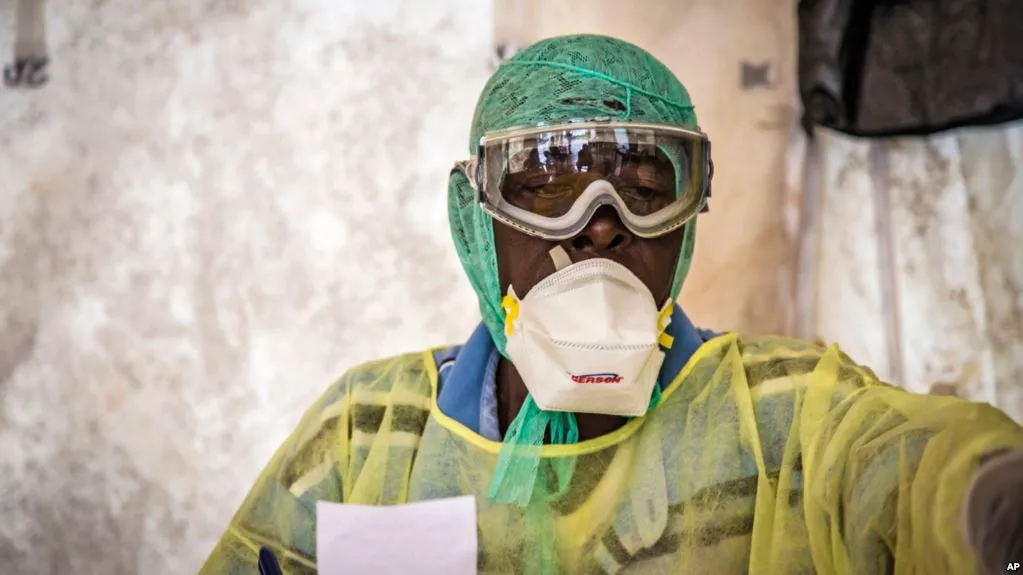
WHO starts first Bundibugyo Ebola vaccine trial in DR Congo
The World Health Organisation began the Tumaini Ebola vaccine trial in Bunia on 23 October 2026, as DR Congo's worst-ever outbreak passed 9,700 cases and 4,600 deaths.
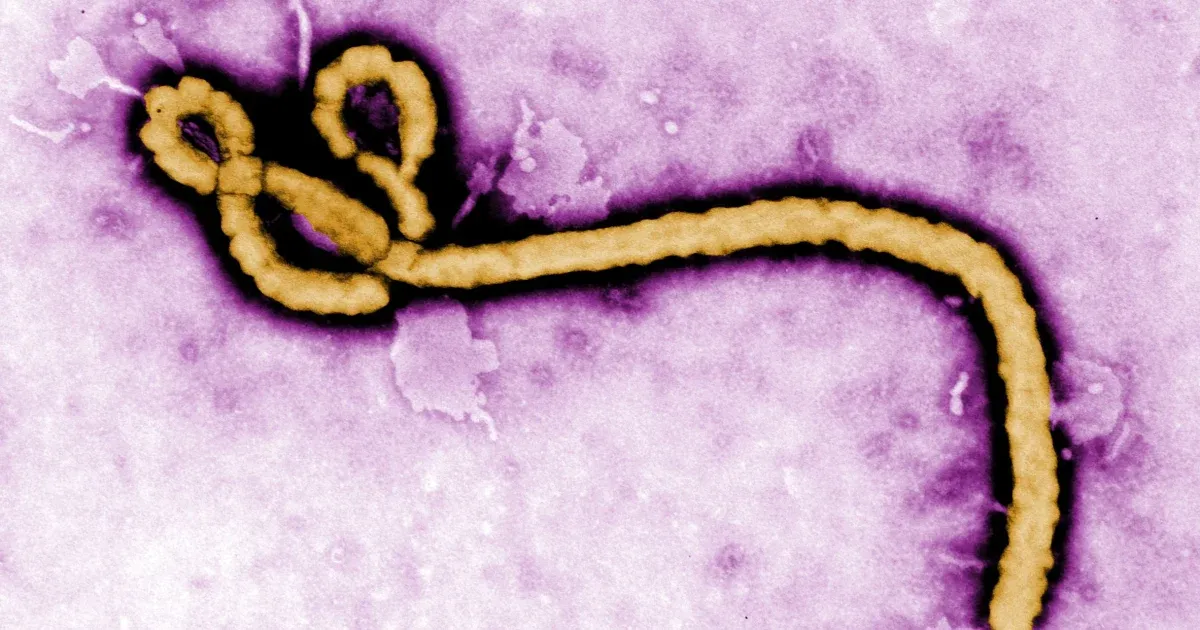 Photo: Punch Newspapers
Key points
WHO began the first clinical trial of an Ebola vaccine against the Bundibugyo strain in Bunia, DR Congo, on 23 October 2026.
The World Health Organisation began the first clinical trial of an Ebola vaccine against the Bundibugyo strain in Bunia, in north-eastern Ituri province, Democratic Republic of Congo, on 23 October 2026. WHO Director-General Tedros Adhanom Ghebreyesus announced the start after the first participants were vaccinated. The trial, named Tumaini, meaning hope in Swahili, comes as the country's worst-ever Ebola outbreak has passed 9,700 cases and 4,600 deaths.
No vaccine or specific treatment has been approved for the Bundibugyo species of Ebola virus, which is driving the current epidemic. The trial therefore tests whether an existing vaccine, Ervebo, licensed for the more common Zaire strain, can offer cross-protection. WHO emergencies director Chikwe Ihekweazu said that success would give the first clear evidence of vaccine efficacy against Bundibugyo, transforming outbreak response and future preparedness.
Why the trial matters now
The first vaccine to enter the trial is Ervebo, licensed to prevent Ebola disease caused by the Zaire strain. Researchers will investigate whether it can also protect against the Bundibugyo strain responsible for the current outbreak. The trial will evaluate the safety, immune response, and effectiveness of the vaccine candidates, according to the World Health Organisation.
The Tumaini trial uses a ring vaccination approach, immunising contacts of confirmed cases deemed at high risk of infection and other people at high risk. It will also include pregnant women and children aged 12 years and older, generating evidence for populations often excluded from clinical trials. The trial is led by Congolese health authorities and research institutions, with WHO and international partner support.
How the trial will work
Two Bundibugyo-specific candidate vaccines are expected to join the study as they advance through earlier-stage trials. One is a ChAdOx1 adenoviral vector vaccine from the University of Oxford, developed with the Serum Institute of India. The other uses messenger RNA technology from the US-based Moderna group. Both have received funding from the Coalition for Epidemic Preparedness Innovations and are expected to enter the trial shortly.
The Democratic Republic of Congo recorded 9,552 cases and 4,602 deaths as of 21 October, according to figures released by organisations supporting the trial. The outbreak has since passed 9,700 cases and 4,600 deaths. The DRC declared its 17th Ebola outbreak on 15 May 2026, and the WHO triggered a public health emergency of international concern two days later, its second-highest alert level.
The outbreak's scale and origin
Ebola spreads through contact with bodily fluids and causes haemorrhagic fever. It has killed more than 15,000 people in Africa over the past 50 years. The current outbreak is the country's worst-ever, centred on Ituri province. Bunia, the capital of Ituri, is the epicentre where the first shot of Ervebo was administered on 23 October 2026.
The commencement of the trial does not mean a vaccine has been proven effective against the Bundibugyo strain. WHO said the trial is designed to generate rigorous evidence on whether the participating vaccines can protect people at risk. Steve Ahuka-Mundeke, the DR Congo Ebola response incident manager, called bringing the trial into the response an important step for affected communities.
What comes next for candidates
CEPI said the two Bundibugyo-specific candidates could bring the first clear evidence of vaccine protection against the strain. WHO's Chikwe Ihekweazu said that if successful, the trial would mark the first clear evidence of vaccine efficacy against Bundibugyo, a major advance for responding to this outbreak and preparing for future ones. The trial will continue to assess safety, immune response, and effectiveness across candidates.
Frequently asked questions
What is the Tumaini Ebola vaccine trial?
The Tumaini trial is the first clinical trial of an Ebola vaccine against the Bundibugyo strain, begun in Bunia, DR Congo, on 23 October 2026. It tests whether Ervebo, licensed for the Zaire strain, can protect against Bundibugyo, using a ring vaccination approach.
How many Ebola cases and deaths have occurred in DR Congo?
DR Congo's worst-ever Ebola outbreak has passed 9,700 cases and 4,600 deaths. Figures released on 21 October 2026 recorded 9,552 cases and 4,602 deaths. The outbreak was declared on 15 May 2026.
Which vaccines will be tested in the trial?
The trial first tests Ervebo, licensed for the Zaire strain. Two Bundibugyo-specific candidates are expected to join: a ChAdOx1 adenoviral vector vaccine from the University of Oxford and an mRNA vaccine from Moderna, both funded by CEPI.