Alberta voters reject independence process with 76% backing Canada
With more than 1.4 million votes counted on 19 October, 76% of Alberta voters rejected starting a legal process toward a binding independence referendum, unofficial Elections Alberta results showed on 20 October.
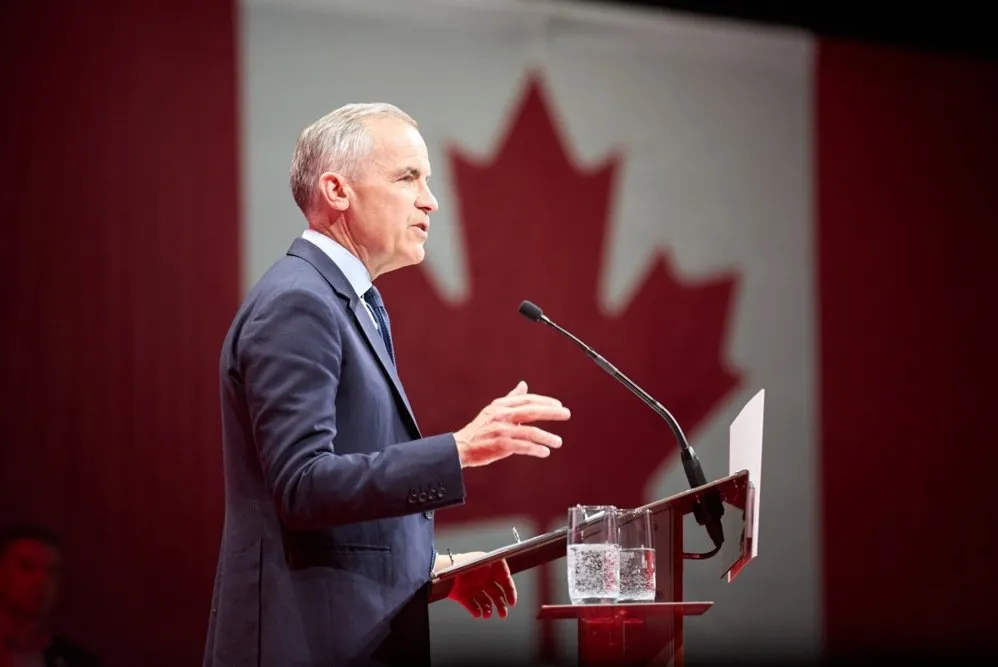 Photo: UPI
Key points
Alberta voters rejected starting a legal process toward a binding independence referendum, with 76% backing remaining in Canada.
Alberta voters rejected starting a legal process toward a binding independence referendum, with 76% backing remaining in Canada and close to 24% supporting separation, unofficial Elections Alberta results showed. With more than 1.4 million votes counted, Prime Minister Mark Carney said Albertans "made a clear choice" and "chose Canada" after the vote held on Monday.
The result settles, for now, a question that had divided Alberta's governing United Conservative Party and drawn interest from allies of U.S. President Donald Trump. The referendum was nonbinding: approval would not have separated Alberta but would have begun the legal process required under the Canadian Constitution to hold a future binding vote on leaving Canada.
Why the vote mattered
Carney, who grew up in Alberta, had campaigned for a decisive result, telling a rally in Edmonton on Friday: "Vote like Canada's future depends on it because it does." He said the outcome would let Canadians accelerate efforts to diversify trade, develop major infrastructure projects and make Canada a global energy powerhouse with Alberta at its centre.
Alberta Premier Danielle Smith, who opposed independence but called the referendum to settle the issue, said Albertans "have voted for a stronger Alberta in a united Canada." Smith announced the separatist referendum on May 21 after 286,593 people signed a petition demanding an independence referendum, despite her opposition to the movement.
About two hours after polls closed, with 33% of ballots counted, over three-quarters of voters had opted to remain in Canada, and major Canadian networks projected the "remain" side had prevailed roughly 90 minutes after polls closed. Results were delayed after late openings forced more than 100 polling stations to extend voting hours on Monday.
How the count unfolded
The separatist movement sought independence over federal taxation, environmental regulations and immigration policy, arguing Ottawa limited Alberta's autonomy and restricted the province's oil and gas industry in the name of environmental protection while Alberta sent more in federal taxes than it received in federal spending. Alberta holds the world's fourth-largest proven oil reserves.
Separatist leaders framed the loss as a base to build from. Alberta Prosperity Project leader Jeffrey Rath said the movement will continue, while Keith Wilson said at least a quarter of Albertans feel Alberta needs to be treated better. Former premier Jason Kenney said separatist parties traditionally attracted only 1 or 2 per cent of the vote.
What separatists said next
The same ballot carried nine other questions, five of them on immigration, and voters appeared to back tougher rules. They agreed Alberta should take increased control over immigration to decrease it to more sustainable levels, and backed restricting provincially funded programmes such as health care and education to citizens, permanent residents and Alberta-approved status holders.
Trump's trade war and threats to make Canada the 51st U.S. state helped Carney rally support in Alberta, where Liberal prime ministers have historically been unpopular. U.S. Treasury Secretary Scott Bessent called Alberta a "natural partner" for the United States, and Elon Musk posted on X this month that Alberta "should separate."
Carney has worked to improve Alberta-Ottawa relations since taking office last year, partnering with Smith on a new pipeline to export more Alberta bitumen overseas, a project considered a non-starter during Justin Trudeau's tenure. Smith has blamed Trudeau for igniting the separatist fire by trying to crush oil production. Smith said she would address the province on Tuesday evening about the results and Alberta's future. The Liberal government is looking at potentially increasing immigration levels in a plan to be announced next month, after numbers for temporary residents were decreased due to public backlash over the surge in newcomers.
Frequently asked questions
What did Alberta voters decide in the referendum?
Voters rejected starting the legal process toward a binding independence referendum, with 76% backing remaining in Canada and close to 24% supporting separation, with more than 1.4 million votes counted.
Was this a direct vote on independence?
No. The nonbinding referendum asked whether Alberta should begin the legal process required under the Canadian Constitution to hold a future binding vote on leaving Canada.
What other questions were on the ballot?
Nine other questions appeared, five of them on immigration. Voters backed tougher rules, including restricting provincially funded programmes such as health care and education to citizens, permanent residents and Alberta-approved status holders.