Trump blames immigration for French unrest and urges Macron to close borders
President Donald Trump said on 19 October that immigration caused unrest in France, urging Emmanuel Macron to close borders, as French officials traced violence to far-left groups and austerity protests.
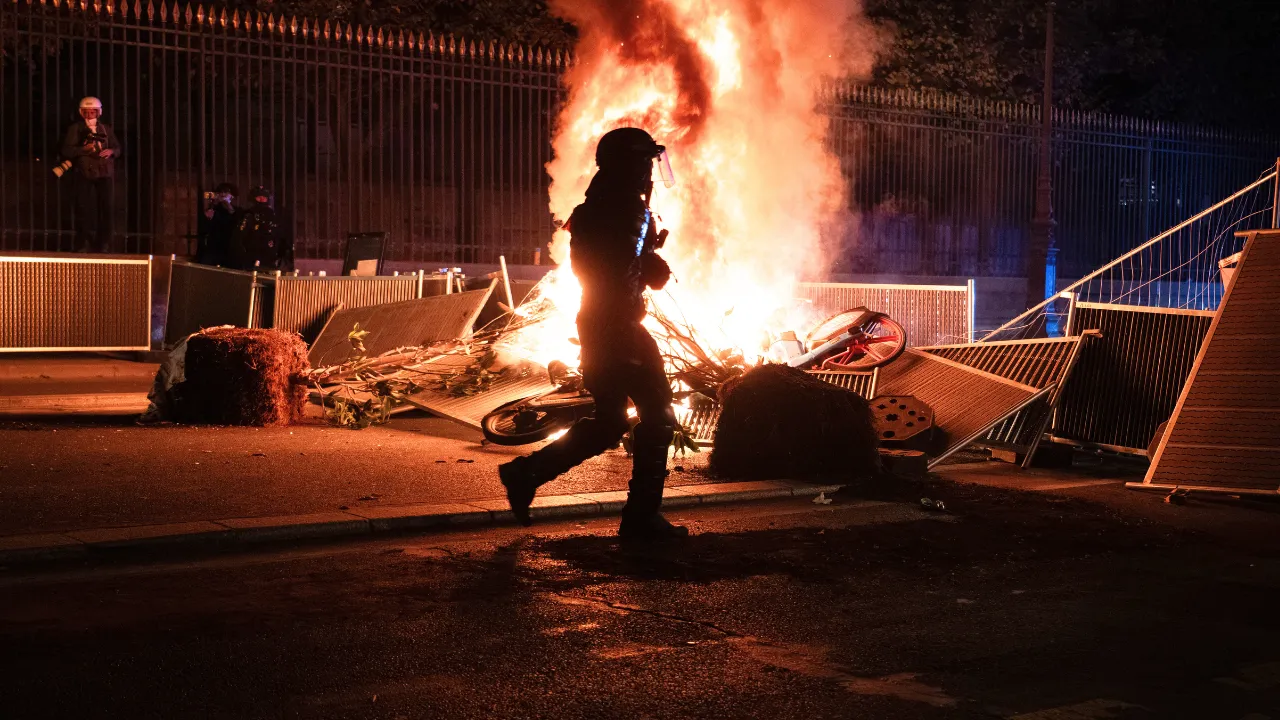 Photo: Fox News
Key points
Trump blamed immigration for unrest in France and urged Macron to close the borders, while French officials and reporting traced the protests to schools, austerity and far-left groups.
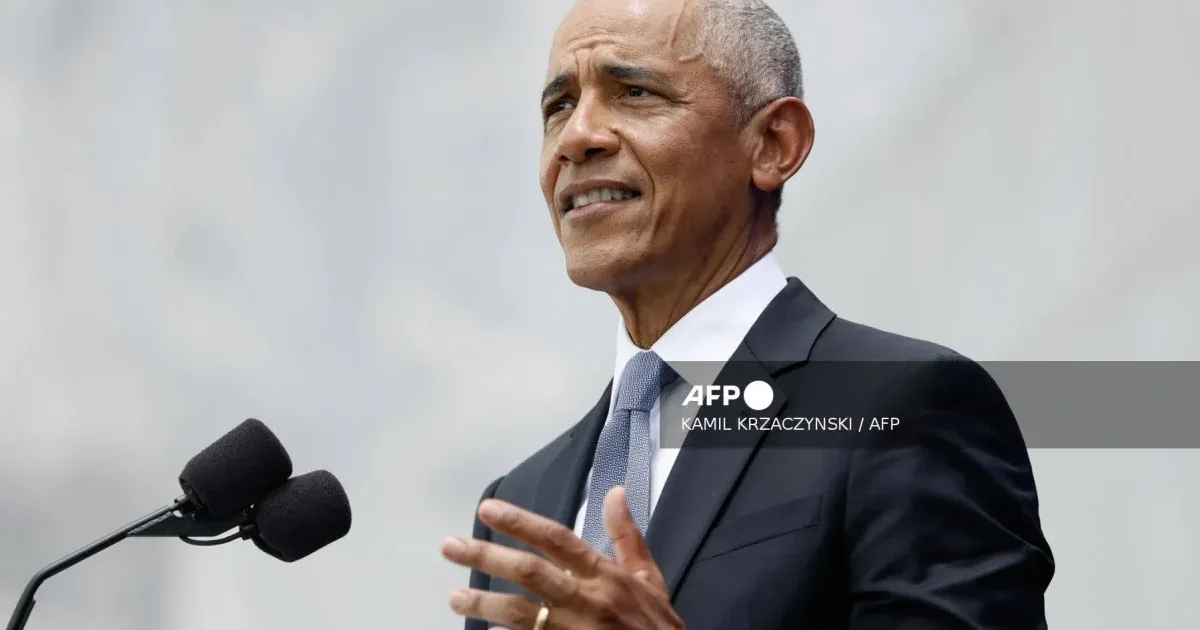
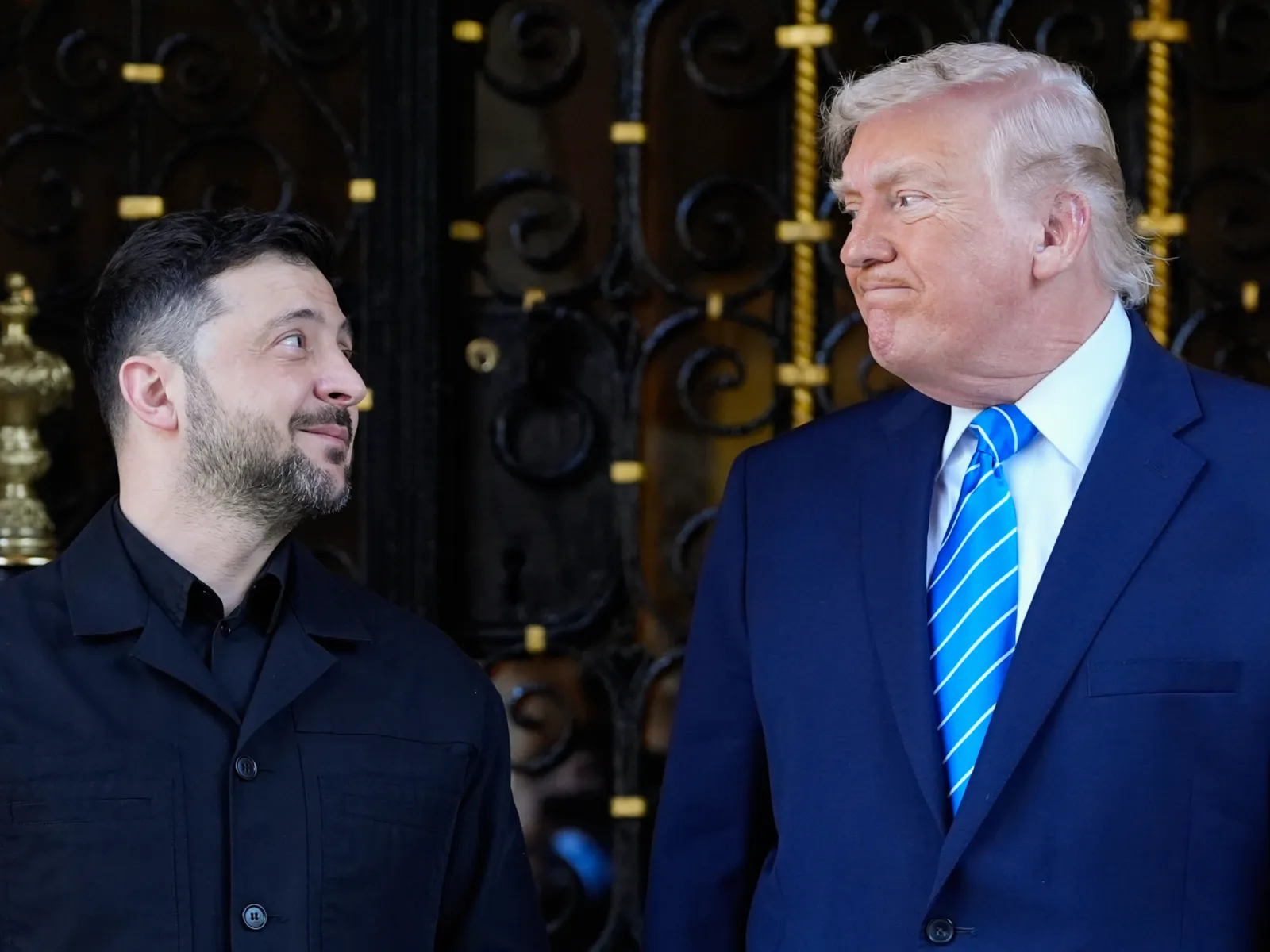
President Donald Trump said on 19 October that immigration, not schools or any other domestic issue, was responsible for the unrest sweeping France, and urged French President Emmanuel Macron to close the country's borders. Speaking to reporters in Washington, Trump said: "What's happening in France has to do with immigration, not schools, not anything." He added that he had told Macron, "close up your borders."
Trump's remarks extended a pattern of attributing the French unrest to migration. On Sunday 18 October, he posted on Truth Social at 8.11am Eastern time that "France is burning" and urged the country to close its borders. On 6 October, as hundreds of thousands marched, he wrote that the unrest was "nothing less than out of control mass migration" and framed it as Islam seeking to take over France. Neither post cited evidence for the immigration claim.
What Trump said on 19 October
Trump recounted an earlier conversation with Macron, telling him "you're making a big mistake in France" and "you're letting everybody from the world come in." He added: "Paris is going to be a Muslim city very soon." Trump also warned that "if Europe doesn't close its borders and bring the criminals out, like the people that are protesting, Europe is finished." He said he had warned Macron during his first term that failing to secure borders would lead to trouble.
The demonstrations did not begin with immigration. They started in mid-September at high schools in the Paris region, where students complained of classes of up to 32 to 35 pupils, absent teachers who were never replaced, and buildings with poor insulation and no air conditioning. By the end of that month, the education ministry said about 400 of France's 3,700 lycées had been affected. Confrontations spread to Lille, Bordeaux, Rennes, Nantes, Lyon and Marseille.
How the protests actually began
The student movement then coincided with a nationwide public-sector strike against the government's 2027 budget, which includes €54 billion (about £47 billion) in cuts and savings and a freeze on state employees' base pay. Unions said that would be the fourth consecutive annual freeze. By 30 September, police had detained 440 people nationwide and 48 officers had been injured, Interior Minister Laurent Nuñez said, adding that hydrochloric acid had been thrown at police in seven incidents.
On 6 October alone, 266,000 people marched nationwide, including about 56,000 in Paris, according to the Interior Ministry. By then, more than 6,000 people, most of them minors, had been arrested over the preceding weeks of school protests. Authorities said 550,000 people demonstrated on Saturday 17 October, while unions and organisers put the figure at 800,000. By Sunday, at least 2,400 people had been arrested nationwide over the weekend, including 855 in the Paris region.
French officials blame far-left groups
The scale of the damage is disputed and the figures vary by source. Fox News correspondent Greg Palkot reported approximately 2,400 people arrested, 1,500 shops damaged or looted and 1,000 police officers injured across France. Justice Minister Gérald Darmanin said more than 2,513 people had been taken into custody since the weekend, with 67 already jailed. At least 3,000 shops were reported damaged, with total costs estimated at hundreds of millions of euros.
The U.S. Embassy in Paris issued an Oct. 19 security alert warning Americans to avoid demonstrations, citing media reports that the prime minister's office introduced partial curfews for Monday and Tuesday in several cities, including Lille. Additional curfews could follow in parts of Paris and elsewhere, the alert said. Interior Minister Nuñez offered his resignation to Macron, who declined to accept it.
France's police watchdog, the General Inspectorate of the National Police, had opened 36 investigations into alleged police violence since the high school protests began, according to figures released on 13 October. Macron instructed prefects to work with mayors to protect public buildings and businesses in the coming weeks, including by banning protests where necessary. His second and final term as president ends next year.
Frequently asked questions
What did Trump say about France's unrest?
On 19 October, Trump said the unrest in France had to do with immigration, not schools or other issues, and urged President Emmanuel Macron to close the borders, saying 'close up your borders.'
What caused the protests in France?
The protests began in mid-September at high schools over teacher shortages and overcrowded classrooms, then widened into a public-sector strike against the government's 2027 budget, which includes €54 billion in cuts and a pay freeze for state employees.
How many people were arrested in France?
By Sunday, at least 2,400 people had been arrested nationwide over the weekend, including 855 in the Paris region. Justice Minister Gérald Darmanin said more than 2,513 people had been taken into custody since the weekend.