Judge Boasberg orders DOJ to stop demanding California set aside 20,000 ballots
On 2 November, Chief U.S. District Judge James Boasberg found the administration likely exceeded constitutional authority by pressing California to isolate disputed ballots.
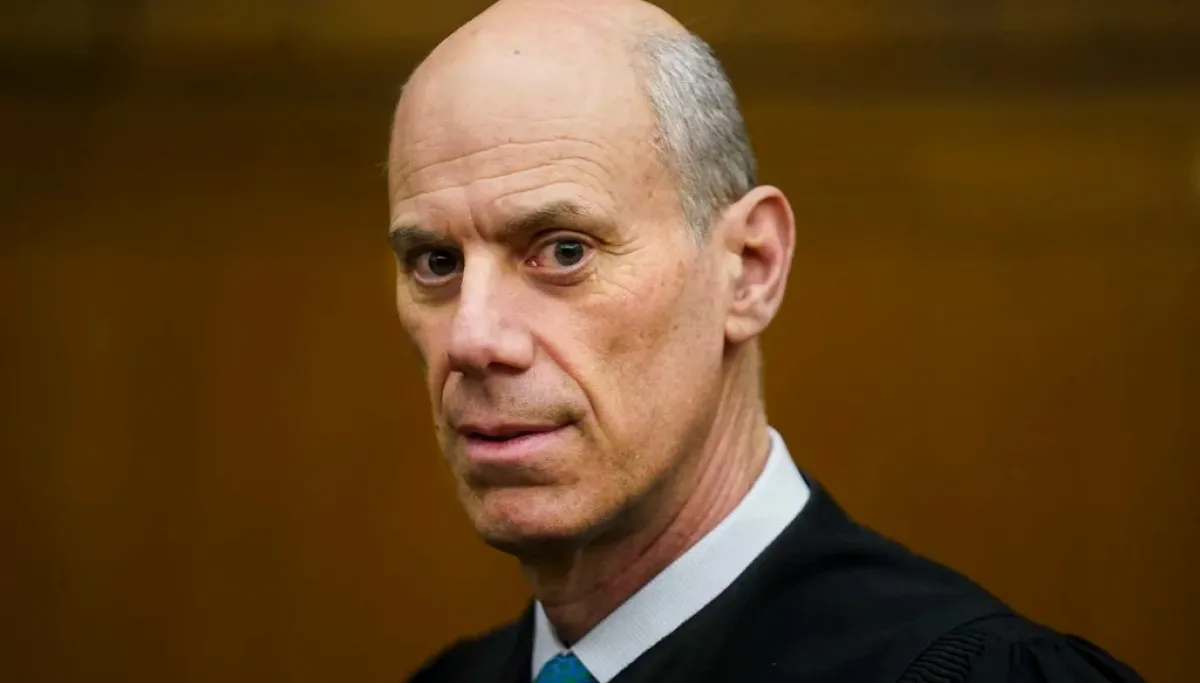 Photo: Washington Examiner
Key points
A federal judge ordered the DOJ to halt demands that California set aside 20,000 ballots, citing likely constitutional overreach.
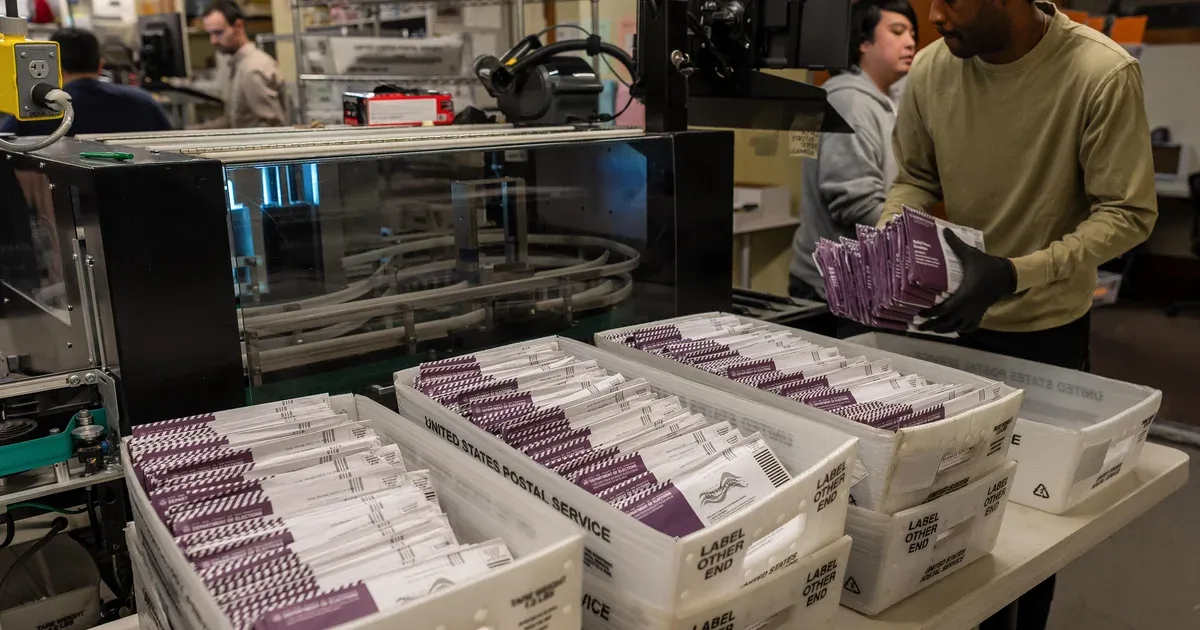
Chief U.S. District Judge James Boasberg in Washington on Monday ordered the Trump administration to stop demanding that California election officials set aside ballots from roughly 20,000 people the Justice Department suspects may be noncitizens. The judge found the administration likely exceeded its constitutional authority by pressing state officials to separate the disputed ballots ahead of Tuesday's midterm elections.
The ruling is the latest setback for the Justice Department's election oversight efforts in California. The Supreme Court on Monday evening denied the department's appeal, hours after it was filed. The appeal sought to force California to set aside and stop processing ballots of thousands of people, but courts have repeatedly sided with California and Los Angeles County.
Court rulings
The 9th Circuit Court of Appeals panel, in a Friday decision, rejected the DOJ's emergency request. Judges Mark Bennett, a Trump appointee, and Gabriel Sanchez, a Biden appointee, wrote that granting the request would create a material risk of disenfranchisement and could jeopardize the county's entire election. They cited the Purcell principle, which bars altering election rules on the eve of an election, and the National Voter Registration Act, which prohibits systematic removal of ineligible voters within 90 days of a federal election.
The third judge on the panel, Patrick Bumatay, also a Trump appointee, dissented. The Supreme Court's refusal to intervene came as the Justice Department escalated its feud with California election officials, sending subpoenas and reminding officials they could be criminally prosecuted for allowing ineligible voters to cast ballots. A federal judge in San Francisco issued a temporary restraining order late Friday barring the Trump administration from threatening, intimidating or coercing election officials to stop processing ballots. The federal government has appealed that order. The DOJ's list of 20,000 names represents a tiny fraction of the more than 23 million registered voters in California.
List flaws
Data scientists at the University of California Los Angeles' Voting Rights Project, granted access to the DOJ's list through a court order, found that 42% of the names do not appear on California's current voter roll. The analysis also found naturalized citizens on the list. County election officials have said the lists handed to them were riddled with errors.
The actual number of ballots in dispute is likely much smaller than 20,000, since county officials found many people on the list did not have active voter registrations and were not mailed ballots. An immigrants' rights group, which sued the government over its use of federal immigration data, said in a filing that more than 40% of flagged people could not be found on the state's voter rolls.
On Monday, the Justice Department charged six more people with alleged voter fraud crimes in California. Bill Essayli, the top federal prosecutor in Los Angeles, announced his office was prosecuting six lawful permanent residents accused of unlawfully registering to vote and casting fraudulent ballots. The six defendants include people originally from Mexico, Israel, the Philippines, Canada and Iran, prosecutors said.
New charges
The six new defendants are all green card holders, meaning they have legal status but are barred from voting. All six are accused of making false statements on a naturalization application, with affidavits alleging they unlawfully registered to vote and later falsely claimed they had never previously registered. They face a maximum of five years in prison, according to prosecutors.
Essayli said the newly arrested defendants were on federal prosecutors' list of 20,000 voters who might be fraudulently registered, arguing the cases supported their push to stop ballots from being counted. When questioned about the list's accuracy, Essayli told reporters the government used 'third-party databases' and that it 'may not be 100%' accurate, but there was a 'very, very high confidence rate'.
The DOJ filed similar charges against 28 people across California last month and arranged a dramatic on-camera arrest of one 72-year-old defendant. Democrats have accused the DoJ of trying to sow doubt in the election results and create a false impression that voter fraud is widespread. Former prosecutors and defense lawyers said it was extraordinary for the DoJ to bring these cases in the middle of an election.
The Supreme Court's denial and Judge Boasberg's order leave the ballot dispute unresolved as Election Day arrives on Tuesday. The DOJ's appeal was denied just hours after it was filed, and the department's efforts to force California to set aside ballots have been rebuffed by multiple judges as unconstitutional. The federal government continues to appeal the San Francisco restraining order.
Frequently asked questions
Why did Judge Boasberg block the DOJ's demand?
Judge Boasberg found the administration likely exceeded its constitutional authority by pressing California officials to set aside ballots from roughly 20,000 people suspected of being noncitizens, ahead of the midterm elections.
What did the Supreme Court do?
The Supreme Court denied the DOJ's appeal on Monday evening, hours after it was filed, refusing to intervene in the dispute over California's voter rolls.
How many people were charged with voter fraud?
The DOJ charged six more people with alleged voter fraud crimes in California on Monday, bringing the total to 34 charged in recent weeks, including 28 last month.