Canada seeks EU associate membership status by June 2027
Canadian Prime Minister Mark Carney set a June 2027 deadline to define associate membership terms with the European Union after a summit.
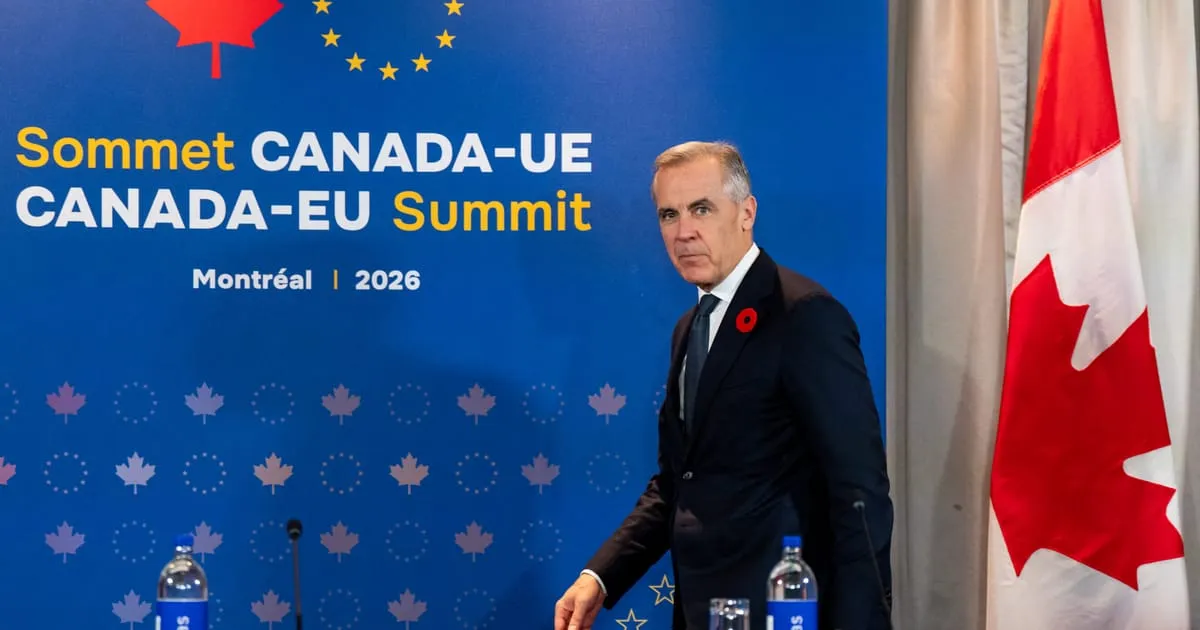 Photo: POLITICO
Key points
Canada aims to become the European Union's first associate member by June 2027 following a summit in Montreal.
Canadian Prime Minister Mark Carney officially embraced the European Union's offer of associate membership after a two-day summit. He confirmed that both Brussels and Ottawa have agreed to a deadline of June 2027 to finalize the terms of this new relationship. This decision marks a significant shift in Canada's foreign policy strategy toward deeper integration with European institutions.
During a press conference, Carney described the associate membership as the deepest possible partnership short of accession. He stated that the coming months would determine the full substance and scope of this new form of membership. European Commission President Ursula von der Leyen and European Council President António Costa joined him to announce the timeline for negotiations.
The deadline set in Montreal
The joint declaration issued at the end of the summit did not explicitly mention associate membership. Instead, leaders agreed to define an ever closer association by their next meeting in 2027. Von der Leyen emphasized that shared values matter more than geography when determining which countries should work together within the bloc.
Carney indicated that the proposed alliance would strengthen the sovereignty of both Canada and Europe. He argued that the partnership would provide greater resilience and an ability to withstand economic shocks together. This strategic alignment comes as trade tensions with the United States continue to strain relations between traditional allies.
Cost and legislative questions
Despite the enthusiastic rhetoric from leadership, questions about the financial cost of associate membership remain unanswered. Carney avoided direct questions regarding how much the arrangement would cost the Canadian public. He stressed that the alliance is a positive project rather than a financial burden on individual citizens. Canadian government officials who spoke to reporters confirmed that new legislation will not be necessary to legitimize the associate membership status.
Trade disputes regarding environmental regulations and industrial procurement persist despite the progress made at the summit. Carney initially claimed an agreement was reached on carveouts from the EU anti-deforestation law, but officials later walked back this assertion. The issue remains part of ongoing discussions to address flaws in the existing legislation.
Another unresolved issue concerns whether Canada will qualify for Made in Europe status under the Industrial Accelerator Act. Von der Leyen stated that the original proposal foresaw including Canada as a free-trade partner, but the text is now subject to review. This regulation aims to channel public procurement spending toward locally produced goods in sectors like green energy.
Unresolved trade disputes remain
The informal arrangements during the summit were intended to encourage more face time between EU commissioners and Canadian ministers. Canadian ministers have been invited to attend informal meetings with their counterparts as part of a plan to deepen political alignment. Carney is expected to join an informal European Council meeting in Dublin in two weeks.
The United States accounted for 71.7% of Canada's merchandise exports in 2025, highlighting the economic challenge of diversifying trade. Carney aims to double exports to other countries over the next decade to reduce reliance on the American market. This goal faces scrutiny from US President Donald Trump, who has threatened tariffs on Europe if the arrangement is deemed unfriendly.
Frequently asked questions
When does Canada plan to finalize the associate membership deal?
Canada and the European Union have set a deadline of June 2027 to determine the terms and boundaries of the associate membership relationship.
Will Canada need to pass new laws for associate membership?
Canadian government officials confirmed that legislation will not be necessary to legitimize Canada's EU associate membership status.
What is the main goal of the partnership?
The leaders aim to create the deepest possible partnership short of accession to strengthen sovereignty and economic resilience against global shocks.