District of Columbia and Virginia sue to halt Trump's 250-foot triumphal arch
The District of Columbia and Virginia filed a joint lawsuit on Saturday to block President Donald Trump's planned 250-foot triumphal arch near Arlington National Cemetery, as the administration said construction could begin as early as 5 November.
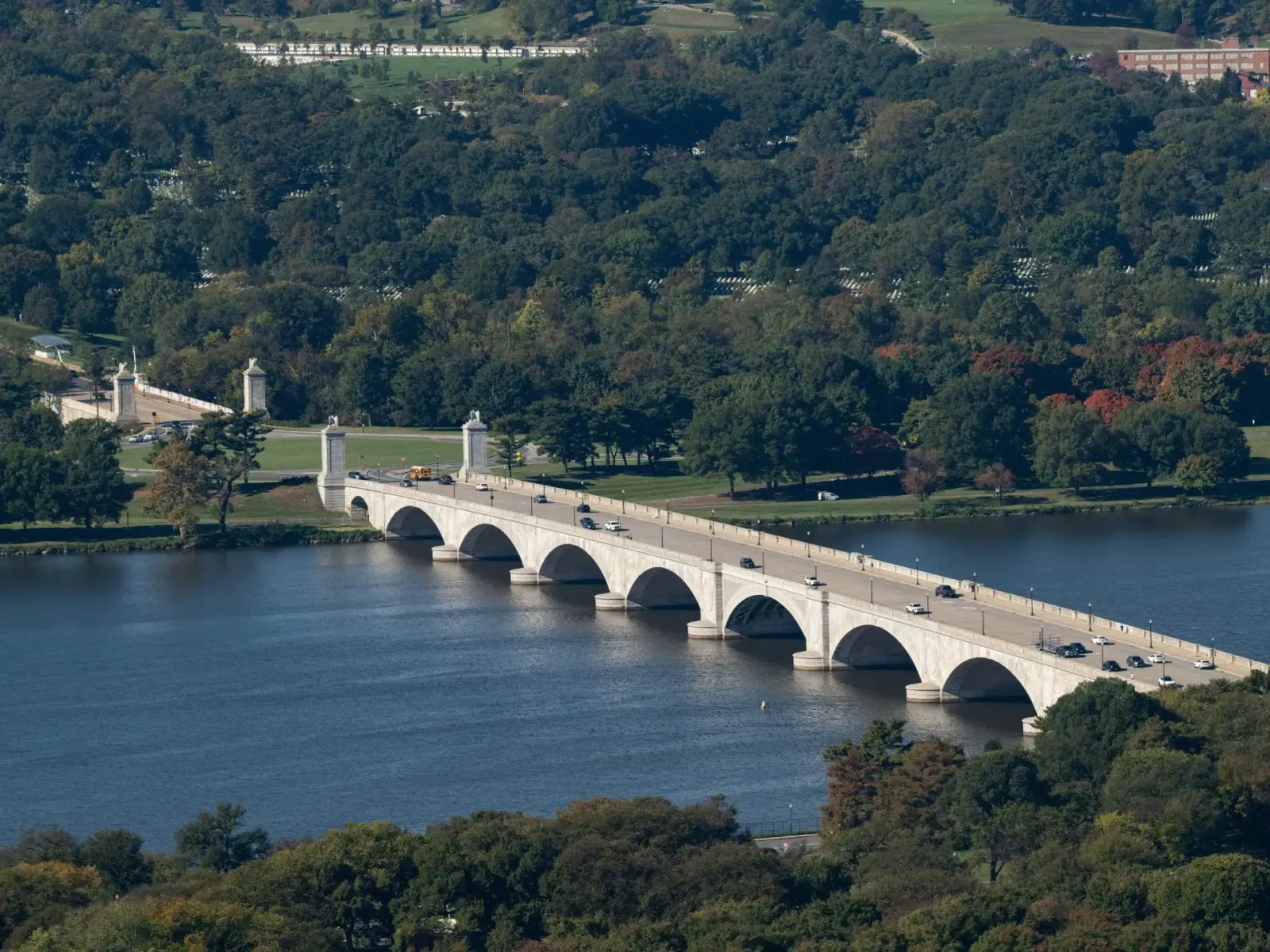 Photo: Al Jazeera
Key points
The District of Columbia and Virginia filed a joint lawsuit on Saturday to block President Donald Trump's planned 250-foot triumphal arch near Arlington National Cemetery, a third suit as construction could begin as early as 5 November.
The District of Columbia and Virginia filed a joint lawsuit on Saturday to halt construction of a triumphal arch sought by President Donald Trump. The states called the project "flagrantly unlawful" and "legally indefensible". The suit asks a federal court to bar construction before it starts, as the administration has said work could begin as early as 5 November.
The lawsuit matters because it adds a third legal challenge to the arch days before the National Capital Planning Commission is scheduled to consider final approval of the site and building plans on 5 November. The District of Columbia and Virginia argue that once ground is broken, the administration could claim that pausing construction poses a national security risk, as it has with other projects.
Why the lawsuit matters now
The arch is designed to stand 250 feet tall at Memorial Circle in Washington, DC, 100 feet taller than the Statue of Liberty from its base to the top of the torch. It would rise on a patch of grass off the bridge spanning the Potomac River, connecting the city with Arlington National Cemetery, a site veterans' groups fear the structure would block from view.
On Friday, the administration submitted a 106-page proposal for a 12-storey megastructure featuring a winged bronze statue of Lady Liberty carrying a torch with an eternal flame. The plan includes two mezzanines, an observation deck with east-west views, an "occupied roof", programme space, offices, a staff lounge and a "fire command centre", along with rerouted traffic on nearby roads.
What the arch would include
Attorneys General Brian Schwalb of Washington, DC, and Jay Jones of Virginia filed the suit. They argue the three-year construction period will snarl traffic between the jurisdictions, produce pollution and stormwater runoff into the Potomac, and interfere with emergency services. The lawsuit asks the court to force the administration to obtain congressional authorisation before construction begins.
Saturday's complaint brings the total number of lawsuits against the arch to three. Arlington County filed its own suit on 8 October, arguing the project would disrupt roads important to emergency services and "significantly and detrimentally" affect Arlington National Cemetery. The first complaint came in February, when three Vietnam War veterans and an architectural historian argued the arch would block historically significant reciprocal views between the Lincoln Memorial and Arlington National Cemetery.
Three lawsuits now target the arch
District Judge Tanya Chutkan, who is overseeing the February case, held a hearing on Friday and deferred an immediate ruling, saying she would issue a decision expeditiously. She asked what harm the government would suffer from waiting three or four months, and noted that the national security justification is new: "This is the first time the government has proffered a national security aspect to this case."
National security and judicial scepticism
The National Capital Planning Commission, a federal review panel that includes several Trump appointees, is scheduled to consider final approval of the arch's site and building plans on 5 November. The administration has told the court that the Interior Department's final authorisation and required notice could also be completed on 5 November, allowing construction to begin that same day.
The arch dispute is one of several legal battles over the administration's plans to remake Washington, alongside the White House ballroom, the East Potomac golf course overhaul and the Kennedy Center renovation. Deputy Assistant Attorney General Robert Stander cited the Supreme Court's 5-4 decision in August allowing ballroom construction to continue while litigation proceeded, saying "It's the same thing"; Chutkan responded that "The ballroom case differs in significant respects." The next dated event is the National Capital Planning Commission's meeting on 5 November, where the panel is scheduled to consider final approval of the arch's site and building plans, the same day the administration has said construction could begin.
Frequently asked questions
Why are the District of Columbia and Virginia suing over the arch?
Attorneys General Brian Schwalb and Jay Jones argue the project is "flagrantly unlawful" because it lacks congressional authorisation under the Commemorative Works Act, and that three years of construction will snarl traffic, pollute the Potomac and interfere with emergency services.
How tall would Trump's triumphal arch be?
The arch would stand 250 feet tall at Memorial Circle in Washington, DC, 100 feet taller than the Statue of Liberty from its base to the top of the torch, as a 12-storey megastructure with an observation deck.
When could construction on the arch begin?
The administration has told the court that final authorisation from the Interior Department and a required notice could be completed on 5 November, the same day the National Capital Planning Commission is scheduled to consider final approval, allowing construction to begin.