Africa CDC says Ebola outbreak in Congo still out of control
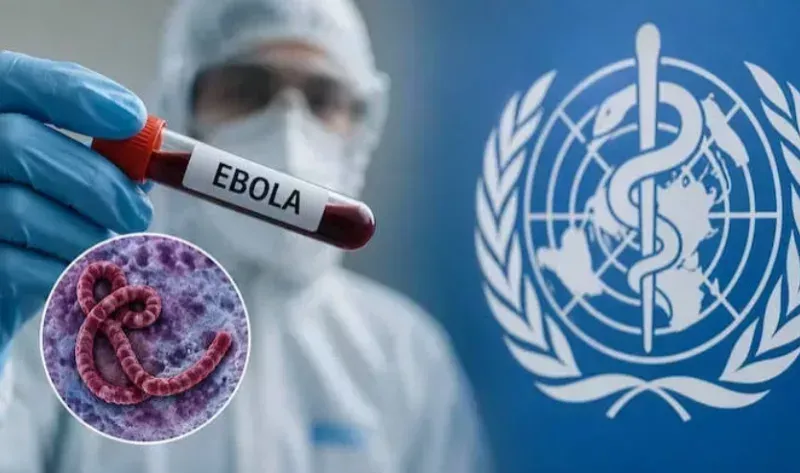
Six months after declaration, Ebola in DR Congo remains uncontrolled with over 11,200 cases and 5,500 deaths, Africa CDC says.
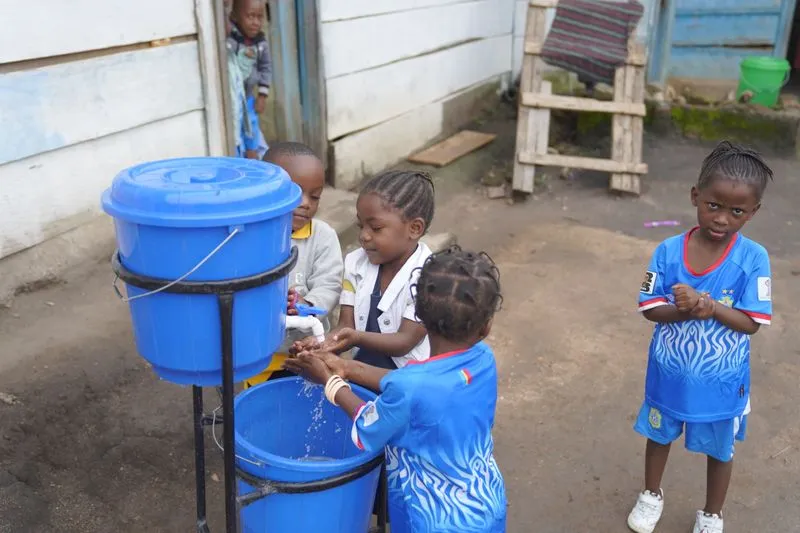 Photo: Daily Maverick
Key points
Africa CDC says Ebola outbreak in DR Congo is still not under control six months after declaration, with over 11,200 cases and 5,500 deaths.
Africa's top public health agency said on 15 November that the Ebola outbreak in the Democratic Republic of the Congo is still out of control six months after it was declared, citing deadly attacks on health workers, unpaid staff and a lack of resources. Jean Kaseya, director-general of the Africa Centres for Disease Control and Prevention, said: "We are all in agreement today to say that this outbreak is still serious, and is still not under control."
Since the outbreak was announced on 15 May, over 11,200 infections and 5,500 deaths have been reported, according to government data. Kaseya said more than 80% of new cases emerge outside contact lists and over 65% of deaths occur in the community outside health centres. Ebola is most contagious during the late stages of the disease. "If we don't stop this outbreak now, it would be the worst Ebola outbreak that the world will have," he said.
Funding gaps and unpaid staff
The outbreak, driven by the rare Bundibugyo species of the virus, is the second-largest on record after the West African outbreak of 2014-16, which infected over 28,600 people and killed more than 11,000. It is the deadliest of Congo's 17 outbreaks and is on track to surpass the West African death toll. Cases have been reported in East, Central and West Africa, giving it the widest geographic spread of any Ebola outbreak on the continent.
Despite an outpouring of aid pledges, help is still not reaching hotspots, medical charity Médecins Sans Frontières said this week, pointing to untrained staff, ambulances without fuel and a lack of surveillance teams. Kaseya said coordination between Congo's government and donors remained a problem. In all, some $2.9 billion has been pledged, but only $1.3bn has been released. "We are not pointing fingers," he said. "We are saying it's a collective failure."
Kaseya called on donors to release around $1.6 billion in pledged aid and work closely with Kinshasa to ensure money isn't wasted through duplication. He acknowledged some health workers hadn't been paid for months and said Congo's government was working to digitize the payroll. Last month, the Africa CDC raised concerns about more than $700 million in Ebola aid that remains unaccounted for. "A troubling disconnect between the considerable resources mobilised for the response and what is actually reaching patients, frontline workers, and communities continues," said MSF.
Children hardest hit
Containment has been especially difficult because no vaccine or treatment has been developed specifically for the Bundibugyo strain, which kills about half of the people it infects. Earlier this month, the World Health Organization approved clinical trials of two new Ebola vaccines and said it expected results in early 2027. WHO Director-General Tedros Adhanom Ghebreyesus wrote on X that transmission is slowing in several early epicentres and clinical trials are advancing rapidly.
Conflict and attacks
Health workers face difficult conditions as Ebola prevention and containment measures clash with social and cultural practices. Since the outbreak began, health workers have been attacked, some fatally, adding to the dangers of working in an already volatile region. Health facilities have also come under attack. The outbreak has been concentrated in eastern Congo, particularly Ituri and North Kivu, where communities face both the epidemic and armed conflict.
Fighting between government forces and hundreds of rebel groups, including the Rwanda-backed M23, had already helped create one of the world's most severe humanitarian crises. The Allied Democratic Forces, an Islamic State-affiliated rebel group, also attacks civilians. The virus's rapid spread has raised fears of wider transmission across Africa. Nigeria, Kenya and Uganda have confirmed cases, making this the most geographically widespread Ebola outbreak on record.
By the time the outbreak was announced in mid-May, 43 deaths had already been recorded, suggesting the virus had circulated undetected for an extended period. It has since spread to eight of the country's 26 provinces, moving at a pace aid groups have likened to wildfire. New hotspots continue to emerge, stretching an already strained health care system. The WHO said at least 3,000 people have recovered from Ebola virus disease in DRC and returned home.
Frequently asked questions
What is the current status of the Ebola outbreak in DR Congo?
As of 15 November 2026, the outbreak is still not under control, with over 11,200 cases and 5,500 deaths reported since May 15. Africa CDC says it remains serious and uncontrolled.
Why is the outbreak not under control?
Challenges include attacks on health workers, unpaid staff, lack of resources, and inadequate contact tracing. Only $1.3bn of $2.9bn pledged aid has been released, and no vaccine or treatment exists for the Bundibugyo strain.