US loses measles elimination status as outbreak spreads to 45 states
The Pan American Health Organization revoked the US measles elimination status on 13 November after determining continuous transmission for over 12 months, with 5,182 cases reported in 2026.
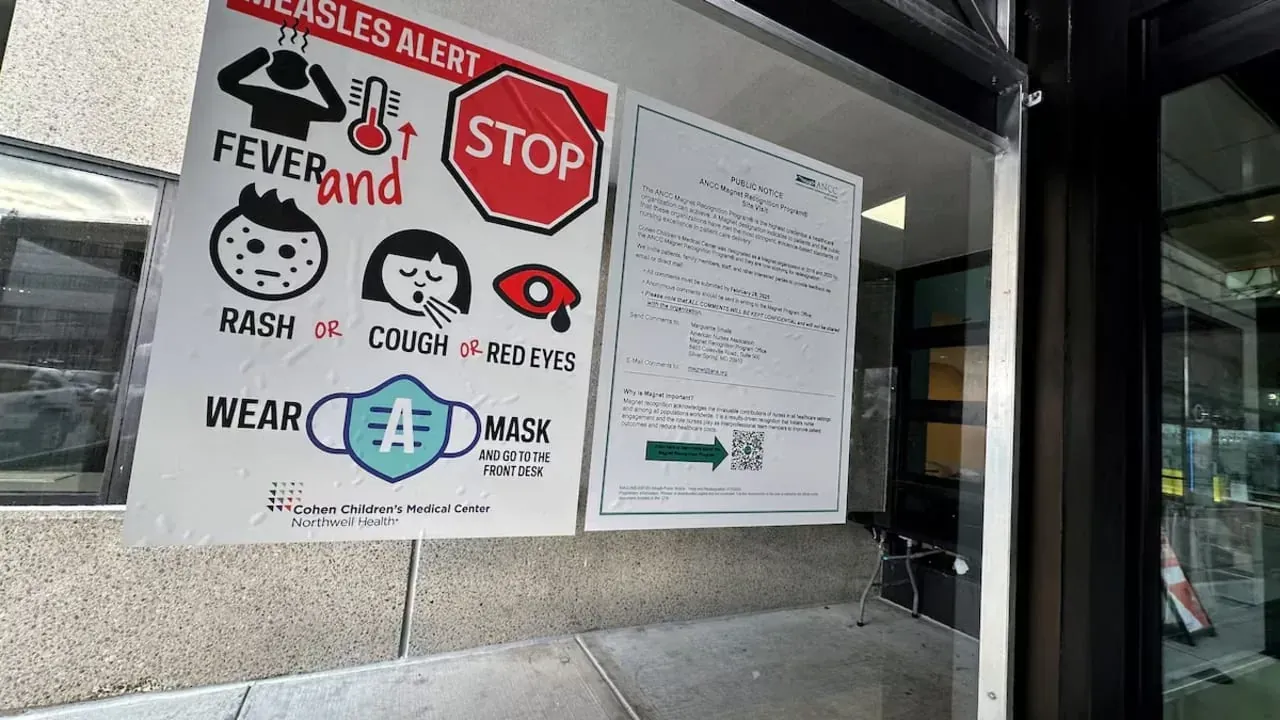 Photo: The Jerusalem Post
Key points
The US lost its measles elimination status after PAHO found the virus had circulated continuously for over 12 months, with 5,182 cases reported in 2026.
The Pan American Health Organization (PAHO), the World Health Organization's specialised agency for the Americas, revoked the United States' measles elimination status, ending a 26-year run. The decision came after PAHO determined that measles had circulated continuously in the US for more than 12 months, a sign of local transmission rather than imported cases. The US achieved elimination status in 2000 through immunisation campaigns and a programme enabling free vaccines for millions of children.
Elimination status does not mean a country never has a case of measles, but that the disease does not develop and spread within the country, and outbreaks occur only when a case is imported from elsewhere. A country loses elimination when PAHO finds that the same strain of measles has been circulating uninterrupted for 12 months or longer. The reported decision comes as the US battles the highest number of measles cases it has seen in more than three decades.
What the decision means
As of Thursday, 5,182 confirmed cases of measles had been reported in 2026 to the US Centers for Disease Control and Prevention (CDC) from 45 states, New York City and the District of Columbia, surpassing last year's total of 2,289. That makes it one of the country's worst measles resurgences in decades. Some 7,500 people in the US have been infected with measles and 13 have died since 2025.
The period coincides with falling immunisation rates and rising vaccine hesitancy under US Health Secretary Robert F. Kennedy Jr., who has for years spread doubts, without scientific evidence, about the safety of measles vaccines. The Department of Health and Human Services did not respond to a request for comment. PAHO did not immediately respond to a request from Reuters for comment on the report, which cited people familiar with the matter.
As part of its evaluation, PAHO reviewed epidemiological and laboratory evidence submitted by the CDC to determine whether the same strain of measles had been circulating in the US uninterrupted for 12 months or longer. A source familiar with the CDC's findings said the agency determined the US had 12 months of continuous transmission of the virus. Dr Erica Schwartz, CDC director, said in an interview before the decision that if the US lost measles elimination, the agency would be doing "the same exact thing," which entails working with states to encourage immunisation.
The outbreak by numbers
Canada, Spain and the UK recently lost measles-elimination status after review by WHO experts. The US dropped out of WHO but remains a member of PAHO, its Americas branch. William Moss, an epidemiology professor at the Johns Hopkins Bloomberg School of Public Health, said loss of measles elimination was a hit to the United States' reputation as a public health powerhouse, and it may discourage other countries.
For the average American, Moss added, it means that the United States will continue to have large outbreaks, putting people at risk of disease, hospitalisation and death. "It is a fully preventable disease. It is unconscionable that we have this amount of measles," said Noel Brewer, a public health professor at the University of North Carolina. Brewer, who chairs an independent advisory panel on measles, presented the CDC's measles status report along with his group's assessment of that information to PAHO on Tuesday.
A country can halt transmission when 95% of its population is vaccinated, creating so-called herd immunity that also protects those unable to receive the vaccine. Two doses of the measles vaccine – by far the best way to prevent infection and transmission – provide 97% protection against the virus, which can cause blindness, deafness, brain damage, or death. To restore measles-elimination status, a country must end transmission and remain free of an outbreak for at least 12 months.
How to regain status
The US achieved its measles-elimination status in 2000. The revocation marks a major setback for public health officials as vaccination rates decline. The outbreak has spread across multiple states, with cases reported from 45 states, New York City and the District of Columbia. The decision by PAHO, part of the public health arm of the United Nations, was reported recently.
Frequently asked questions
What does losing measles elimination status mean?
It means measles has become endemic in the US, with the same strain circulating uninterrupted for 12 months or longer. Outbreaks can now occur without imported cases, and the country must end transmission and remain free of an outbreak for at least 12 months to regain status.
How many measles cases have been reported in the US in 2026?
As of Thursday, 5,182 confirmed cases were reported to the CDC from 45 states, New York City and the District of Columbia, surpassing last year's total of 2,289. Since 2025, about 7,500 people have been infected and 13 have died.
Why did the US lose its measles elimination status?
PAHO reviewed evidence submitted by the CDC and determined that the same strain of measles had been circulating in the US uninterrupted for 12 months or longer, indicating local transmission. The decision was reported recently, ending a 26-year run.