Youths kill nurse treating Ebola patients in Bafwasende, Congo
A group of young people killed a nurse responding to an Ebola alert in Bafwasende, Tshopo province, DR Congo, on 24 October 2026, accusing him of contaminating a water source.
 Photo: The Straits Times
Key points
A nurse treating Ebola patients was killed by local youths in Bafwasende, DR Congo, on 24 October 2026, after they accused him of contaminating a water source.
A nurse treating Ebola patients was killed by a group of young people in Bafwasende, Tshopo province, north-eastern DR Congo, on 24 October 2026, health officials said. A second man was seriously wounded in the same attack. The attackers accused both victims of spreading Ebola by contaminating a water source, a claim health authorities call a rumour.
The killing matters because attacks on health workers can slow the work of containing a large Ebola outbreak. Tshopo is among eight provinces in Congo battling a fast-spreading outbreak of the Bundibugyo species of the Ebola virus. Other health workers in the area are now sheltering at the general hospital under police guard, too afraid to go home.
What happened in Bafwasende
The attack took place near the general hospital in Bafwasende-centre, in the Digidi neighbourhood, local reports say. The nurse died at the scene. A second man, described locally as either a teacher or a primary school director, was seriously wounded; police intervened and rescued him. Both victims were returning from their fields, several kilometres away.
The attackers accused the two victims of spreading Ebola by contaminating a water source. Health authorities call this a rumour and a manipulation of the population, and they have called for calm. Territorial authorities condemned the violence, and police are pursuing those responsible. A local security council of officials and police met on 25 October 2026 to assess what happened. No arrests have been reported.
Dr Marcel Likilo, head doctor of the Bafwasende health zone, reported escalating attacks and asked for police and soldiers as reinforcement. The health zone reports 19 confirmed Ebola cases, 9 deaths and 5 recoveries, with two patients remaining in hospital. Three confirmed patients fled treatment, and the community was reportedly unhelpful in locating them.
Outbreak figures and response
Congo's public health institute reported 9,964 total confirmed cases with around a 48.6% fatality rate since the outbreak was declared in May. More than 4,800 people have died and nearly 10,000 been infected in DR Congo since this outbreak began in May. The Bundibugyo species behind this outbreak is relatively rare, and there is still no vaccine or specific treatment, though trials are under way.
The World Health Organization condemned the attack. WHO Director-General Tedros Adhanom Ghebreyesus said health workers "must be able to carry out their duties in safety and dignity". Julien Harneis, the senior United Nations Ebola coordinator, said in a post on X on Sunday that the killing was a loss to the Ebola response and an even greater loss to patients.
Attacks on health workers have targeted hospitals, vehicles and staff involved in the Ebola response. Last month, a politician was beaten to death after promoting measures to stop the spread of Ebola. In August, the Red Cross said its volunteers had been injured and an ambulance set on fire in 11 violent incidents during the first 100 days after the outbreak was declared.
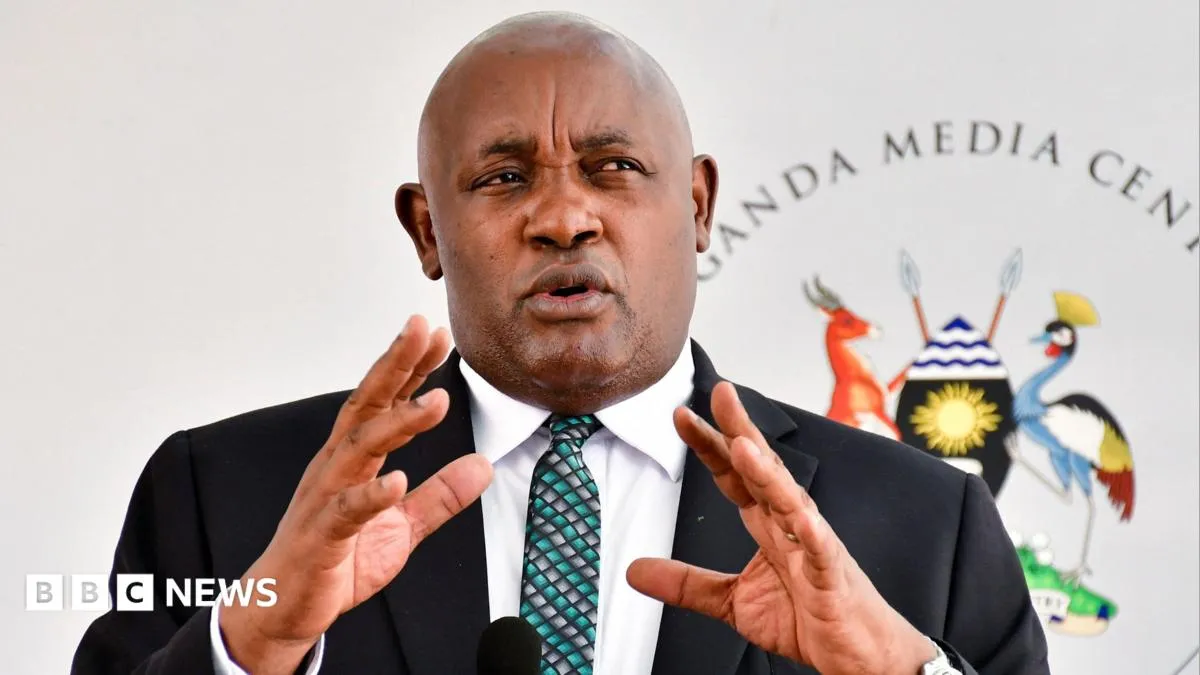
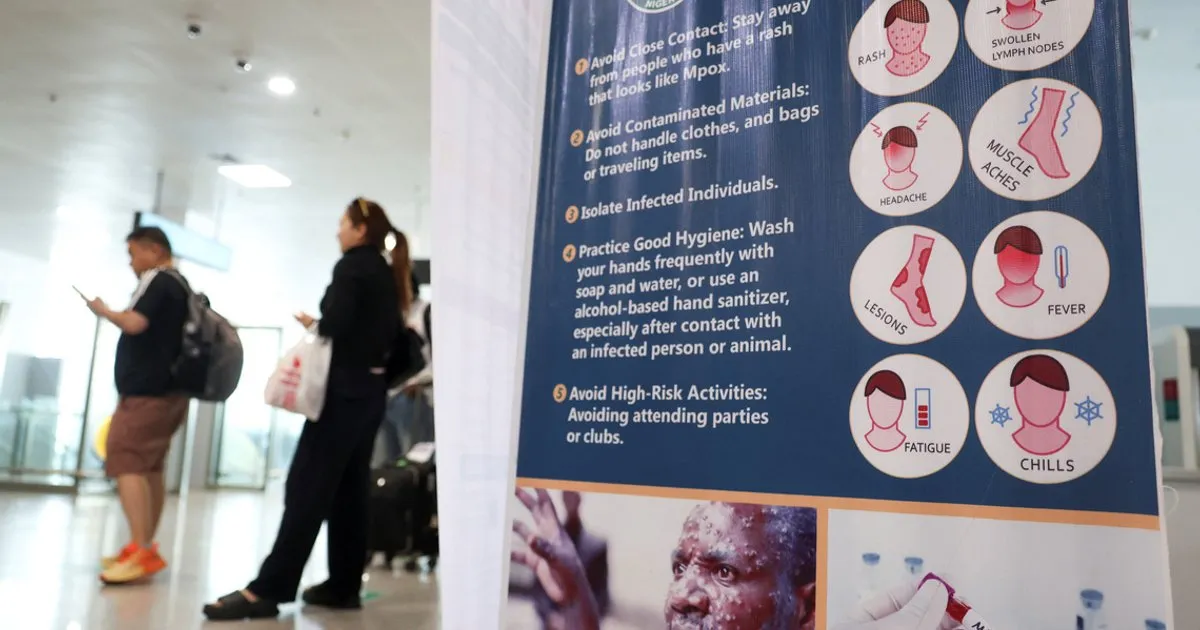
Neighbouring Uganda has banned all non-essential travel to and from DR Congo and says its citizens returning from there will be quarantined for 21 days. Only essential travellers, including aid workers, truck drivers and security personnel, will be allowed to cross the border, subject to strict health screening. All travellers entering Uganda must complete locator forms to facilitate contact tracing.
Earlier this month, Kenya and Nigeria reported their first cases of Ebola linked to the current outbreak. In Kenya, the first group of 20 contacts of the first case have gone home after spending 21 days in quarantine, while another 98 are still being supervised. Seven people who tested positive for Ebola were stable, the health ministry said.
The nurse's identity has not been published, and details of the motive beyond the rumour are unclear. Authorities have not said whether any suspects are held. It is also unclear how the rumour about the water source began and spread. Police are pursuing those responsible, and a local security council of officials and police met on 25 October 2026 to assess what happened.
Frequently asked questions
Where was the nurse killed?
The nurse was killed in Bafwasende, Tshopo province, north-eastern DR Congo, near the general hospital in Bafwasende-centre, in the Digidi neighbourhood, on 24 October 2026.
Why did the attackers target the nurse?
Attackers accused the nurse and a second man of spreading Ebola by contaminating a water source. Health authorities call this a rumour and a manipulation of the population.
How many Ebola cases has the Bafwasende health zone reported?
The health zone reports 19 confirmed Ebola cases, 9 deaths and 5 recoveries, with 2 patients in hospital. Three confirmed patients fled treatment.