Nigeria flies out its Ebola patient by air ambulance from Abuja
Nigeria's first Ebola patient in more than a decade was evacuated by air ambulance from Abuja's Nnamdi Azikiwe International Airport on 26 October 2026, as Africa CDC sent scientists to trace how she was infected.
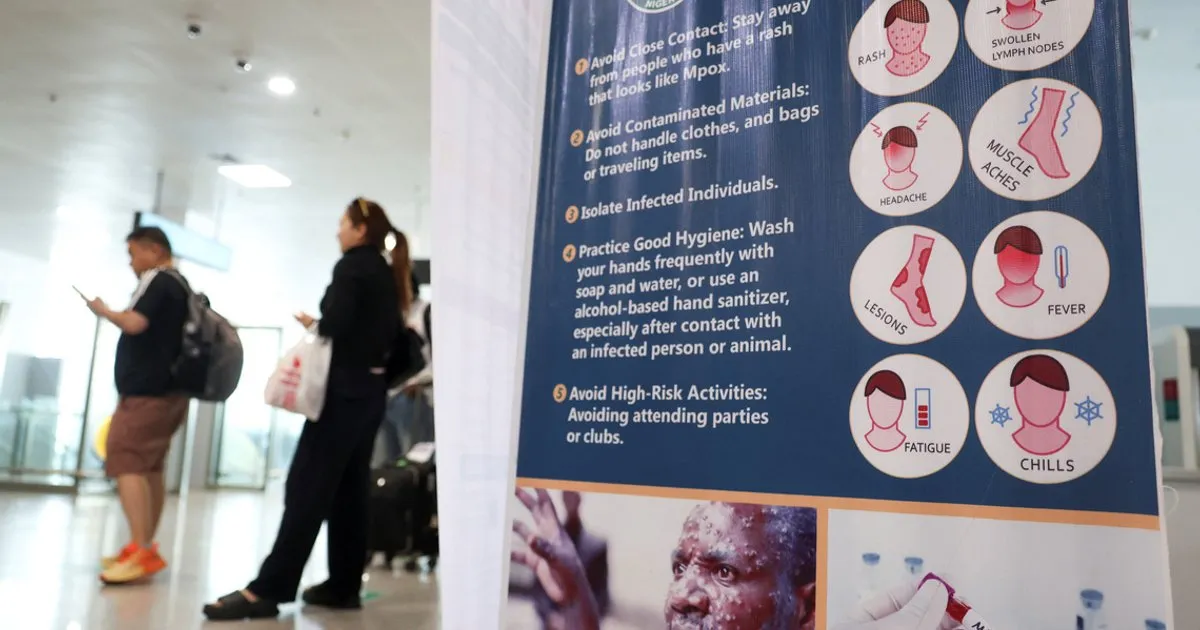 Photo: The Straits Times
Key points
Nigeria evacuated its first Ebola patient in more than a decade by air ambulance from Abuja's Nnamdi Azikiwe International Airport on 26 October 2026.
Nigeria evacuated its Ebola patient by air ambulance from the private jet wing of Nnamdi Azikiwe International Airport in Abuja early on 26 October 2026, local station Arise TV reported. The patient is the Ugandan-born wife of a Swiss diplomat based in Abuja and is Nigeria's first Ebola case in more than a decade.
The evacuation removes from Nigeria the index patient — the first confirmed case in this outbreak — in a country that had not recorded Ebola in over a decade. It matters because the case signals the Bundibugyo species of Ebola has reached a fourth African country, and because how she was infected remains unknown, with investigators still working to rule out silent spread in undiscovered locations.
Why the evacuation matters
Arise TV said the woman's medical evacuation flight departed from Abuja's Nnamdi Azikiwe International Airport. Nigerian health authorities and the Swiss foreign ministry did not immediately respond to requests for comment.
Arise News said in a post that the index patient diagnosed with Ebola virus in Nigeria had been evacuated early that morning through an air ambulance at the private jet wing of the airport. The station said it was tipped off that the patient would be flown out by 6am through a medivac plane already waiting at the airport.
The station's crew at the General Aviation Terminal obtained pictures of a three-vehicle convoy of ambulances arriving from Abuja city centre with diplomatic vehicles in the entourage, including an international agency vehicle entering the private jet section. Airport officials cordoned off the private wing, but the crew eventually obtained videos of a medivac plane with crews evacuating the passenger. A source said the Federal Government would announce the evacuation only after the plane had exited Nigerian airspace.
How the patient left Abuja
The Federal Government confirmed a case of Ebola in the Federal Capital Territory on 20 October 2026 and said 44 contacts had been identified.
Africa CDC director-general Jean Kaseya said the agency was sending Ebola scientists to Nigeria to work out how the patient caught the Bundibugyo species. Her travel documents show she had not visited the outbreak epicentre in Democratic Republic of Congo, Kaseya said in an interview in London. The team will be led by Congolese expert Jean-Jacques Muyembe, co-discoverer of Ebola.
Tracing the infection source
One theory under investigation is a link to the first case in Kenya, reported earlier in October in a man who had travelled from Congo. The Nigerian patient had been on holiday in Uganda and travelled through Entebbe Airport on 3 October. On 23 October, genomic sequencing showed the viruses infecting the two patients were closely related, though the Kenyan patient has since died.
Kaseya said the Kenyan patient was likely in the airport at the same time, as their flights were around 40 minutes apart, though they did not depart from the same gate and it is unclear whether they had any contact. He said genomic similarity did not mean one patient directly infected the other, and the Abuja patient, whose condition is improving, said she does not remember meeting the Kenya patient.
Kaseya said all countries involved were willing to collaborate, after tension the previous week when Uganda's government insisted the Abuja patient had been to Congo while Nigerian authorities suggested she had not and was infected in Uganda, which has been Ebola-free since August. He said the team would also examine more sequencing data to work out where the Kenyan patient was infected.
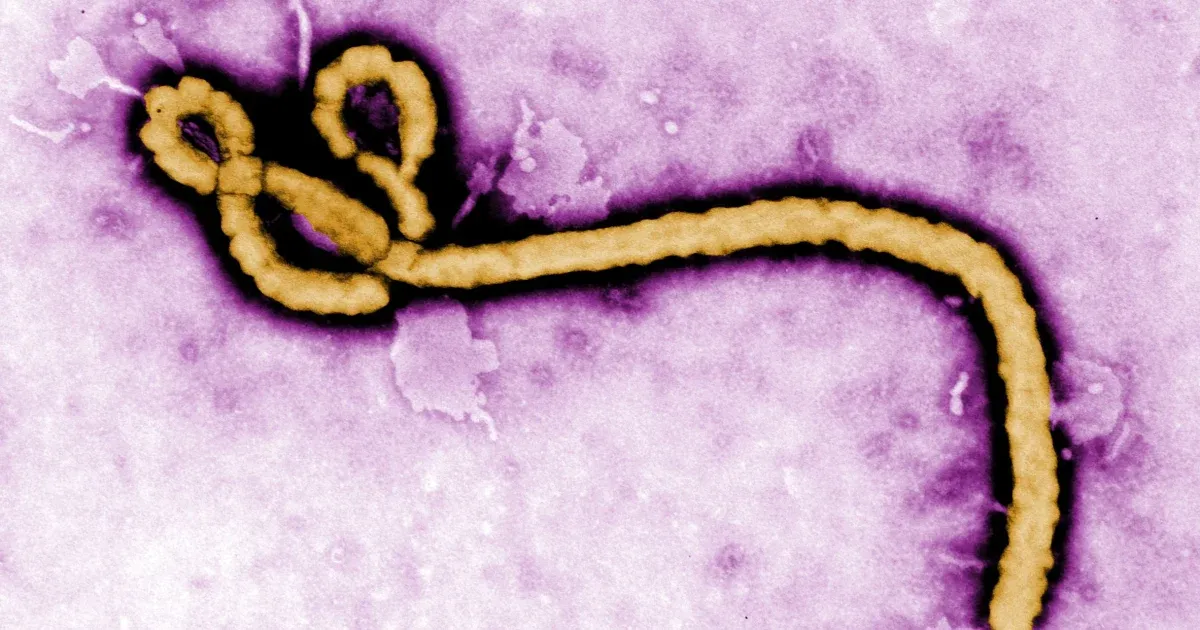
The Ebola Bundibugyo outbreak in Congo has caused almost 10,000 cases and more than 4,600 deaths there and has spread to three other African countries: Kenya, Nigeria and Uganda. It is the second-largest Ebola epidemic on record. There is currently no approved vaccine or treatment for Ebola Bundibugyo, and the disease can cause fever, vomiting, diarrhoea and, in severe cases, bleeding.
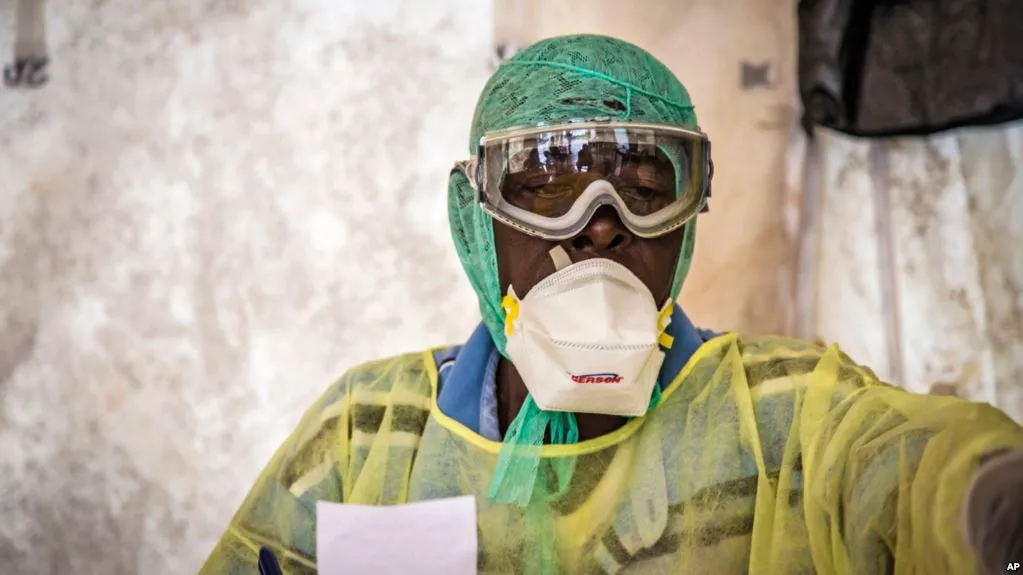
Ebola spreads through close contact with the infected bodily fluids of a person with symptoms, according to the World Health Organization. The Africa CDC team led by Muyembe will continue the investigation in Abuja, with further genomic sequencing expected to clarify where the Kenyan patient was infected and whether the two cases share a source.
Frequently asked questions
How was Nigeria's Ebola patient evacuated?
The patient, the Ugandan-born wife of a Swiss diplomat based in Abuja, was flown out by air ambulance early on 26 October 2026 from the private jet wing of Nnamdi Azikiwe International Airport, local station Arise TV reported.
Why are scientists investigating this Ebola case?
Africa CDC director-general Jean Kaseya said a team led by Jean-Jacques Muyembe will work out how the patient caught the Bundibugyo species, checking a possible link to Kenya's first case and using genomic sequencing, since her travel documents show she did not visit Congo.
How large is the Ebola Bundibugyo outbreak?
The outbreak in Congo has caused almost 10,000 cases and more than 4,600 deaths there and has spread to Kenya, Nigeria and Uganda. It is the second-largest Ebola epidemic on record, with no approved vaccine or treatment for this species.