Uganda orders 21-day quarantine for citizens returning from DR Congo
Uganda's health ministry on 26 October 2026 ordered returning citizens who had travelled to DR Congo into 21-day quarantine at their own cost, as more than 4,800 people died there since May.
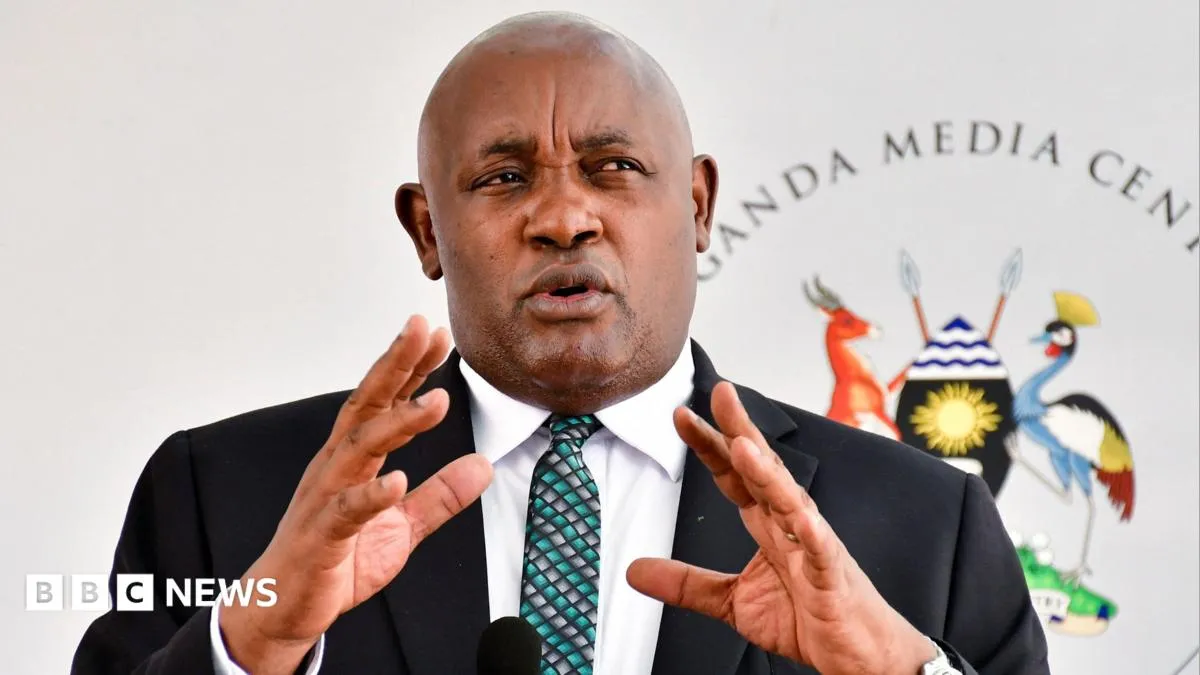 Photo: BBC News
Key points
Uganda ordered citizens returning from DR Congo into 21-day quarantine at their own cost and barred most DR Congo travellers from transiting through the country.
Uganda will quarantine its citizens returning from the Democratic Republic of Congo for 21 days, the health ministry said on 26 October 2026, and will not allow most travellers who have been in DR Congo to transit through the country. Returning Ugandans will "undergo 21 days of quarantine at their own cost", the ministry said, announcing the measures on Sunday.
The order responds to the deadliest Ebola outbreak DR Congo has recorded, which has killed more than 4,800 people since May and has since spread to several other countries. Two people who had travelled through Uganda tested positive for Ebola in Kenya and Nigeria this month, raising questions about screening at Entebbe International Airport. Uganda has repeatedly stressed that no cases have been reported within its borders since it was declared free of the disease in August.
Why the quarantine was ordered
Health Minister Chris Baryomunsi said only essential travellers from DR Congo would be allowed in, and they would face "intense public health measures". "All these are measures to ensure that we keep Uganda free of Ebola," he said. Uganda shares a border with DR Congo, where transmission continues, and Baryomunsi said the two countries remain closely connected through trade, travel and family ties. The recent cases, he said, meant the risk had not ended and the need to remain vigilant had been reinforced.
Uganda has intensified traveller screening at Entebbe International Airport and all land border crossings, supported by screening at designated road checkpoints, the health ministry said. Travellers entering Uganda by air, land or water must complete a passenger locator form giving contact information, so officials can follow up if needed. The 60 people monitored after contact with the Kenyan Ebola patient had all been discharged, the ministry said on Sunday, after completing 21 days of monitoring.
The Kenyan businessman travelled from DR Congo, where he had business interests, and flew to Nairobi on 3 October, dying two days later. The patient in Nigeria is the Ugandan-born wife of a Swiss diplomat who had travelled to the Ugandan capital for a holiday, according to Jean Kaseya, head of the Africa Centres for Disease Control and Prevention. Both passengers passed through Entebbe airport on the same day. Diana Atwine, the health ministry's permanent secretary, said CCTV footage showed no physical interaction between them.
The two cases under investigation
Swiss authorities have said the woman contracted Ebola during a visit to Uganda in September, and Nigeria confirmed her infection on 20 October after she travelled to Abuja. Baryomunsi challenged that conclusion, saying relatives who had visited DR Congo met the woman in a Kampala suburb and investigators should establish all possible routes of exposure. "We should speak science, not politics," he said. The World Health Organization said in an update issued on 23 October that information available to it did not indicate the woman had travelled to DR Congo.
Nigerian authorities said genetic testing found closely related viruses in the two cases, but a direct link had not been established, leaving investigators to determine whether the infections share a transmission chain or came from separate exposures. Uganda's health ministry said on Sunday that Uganda and Nigeria were both working to establish the woman's movements, complete travel history and possible routes of exposure. Ugandan officials had previously said she had travelled to eastern DR Congo, only transiting through Uganda.
By 20 October, the World Health Organization had recorded 9,704 cases and 4,687 deaths in DR Congo, where the outbreak began in May and has spread across eight provinces. Kenya has confirmed eight other cases of Ebola since the businessman's death, and a second woman related to him died over the weekend. Uganda recorded 20 Ebola cases and two deaths earlier in 2026, and the World Health Organization declared the country free of the disease in August.
What happens next
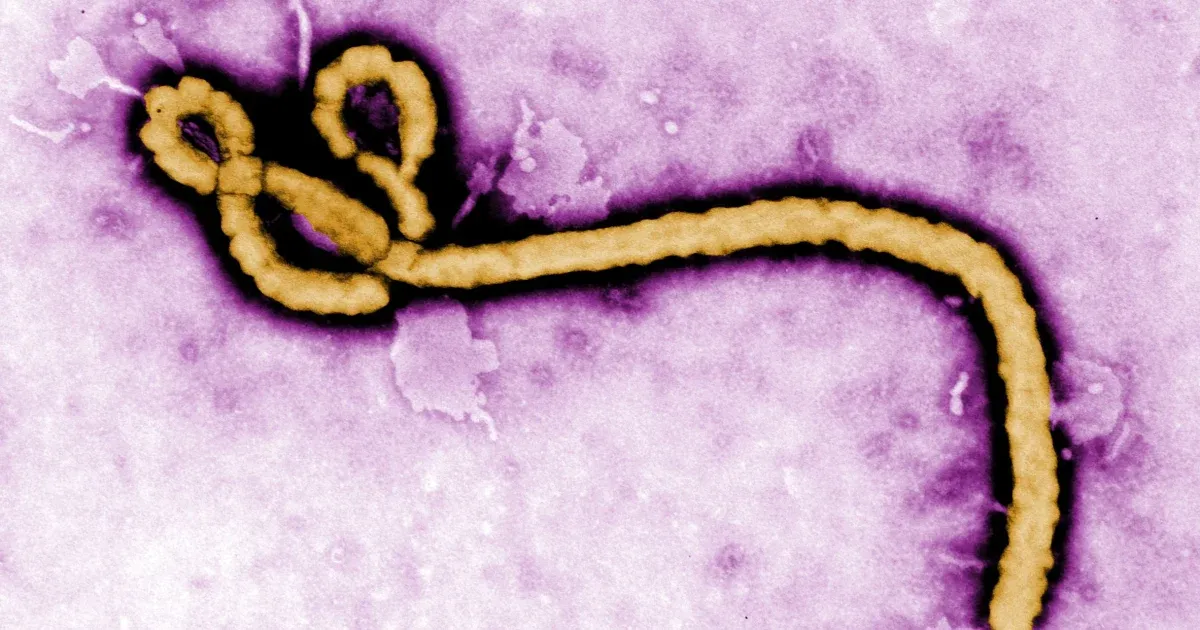
The outbreak is caused by the Bundibugyo species of Ebola, a relatively rare strain with no approved vaccine or specific treatment, though trials are under way. Ebola spreads from one person to another through contact with infected bodily fluids such as blood or vomit, and symptoms can take up to 21 days to appear, according to the World Health Organization. In its 23 October update, the agency called for stronger surveillance and cross-border cooperation but advised against travel or trade restrictions on affected countries.
Uganda's quarantine requirement runs against that advice, as regional authorities balance containment against cross-border movement and cooperation. The investigations in Uganda, Kenya and Nigeria are expected to establish the source of the infections and determine whether additional public health measures are necessary. Nigerian and Ugandan authorities are still working to confirm the woman's movements and possible source of infection, with findings expected to guide any further steps.
Frequently asked questions
Why is Uganda imposing a 21-day quarantine?
Uganda's health ministry ordered the quarantine to keep the country free of Ebola, as DR Congo's outbreak has killed more than 4,800 people since May and two people who travelled through Uganda tested positive in Kenya and Nigeria.
Who must quarantine and for how long?
Ugandan citizens returning with a history of travel to DR Congo must undergo 21 days of quarantine at their own cost. Most other travellers who have been in DR Congo are barred from transiting through Uganda.
Does Uganda currently have Ebola cases?
No. Uganda has repeatedly stressed that no cases have been reported within its borders, and the World Health Organization declared the country free of the disease in August after 20 cases and two deaths.