Fed holds rates at 3.75% to 4% despite 3.7% inflation
The Federal Reserve kept its benchmark rate between 3.75% and 4% on 28 October 2026, with two officials dissenting for a hike, as consumer prices rose 3.7% in September.
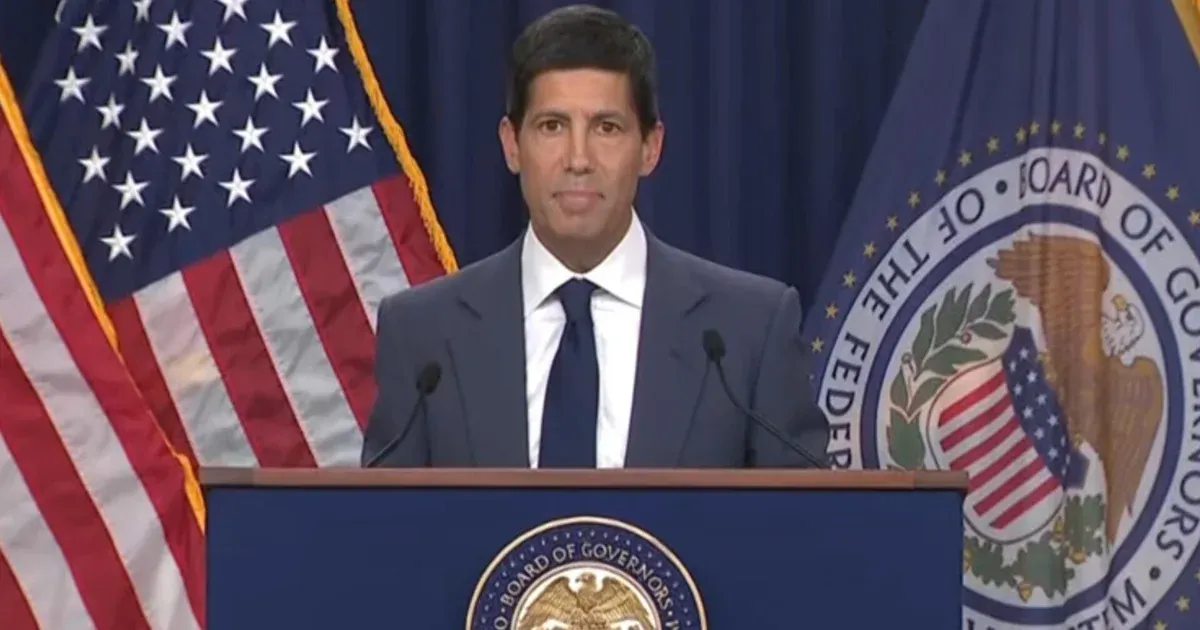 Photo: CBS News
Key points
The Federal Reserve held its benchmark interest rate between 3.75% and 4% on 28 October 2026, with two officials dissenting for a quarter-point increase, as inflation ran at 3.7%.
The Federal Reserve held interest rates steady on Wednesday, keeping its benchmark federal funds rate at a target range of 3.75% to 4%, after raising borrowing costs in September to clamp down on inflation. Ten members of the Federal Open Market Committee voted to hold rates, while two members dissented and voted to raise them by 0.25 percentage points. The decision came as consumer prices rose 3.7% in September compared with a year earlier.
The pause matters because inflation remains well above the central bank's 2% target, with prices rising faster than policymakers would like and the midterm elections approaching. The Fed raised rates a quarter of a percentage point last month, the first increase in three years, to battle price increases. That hike works by slowing the economy and reducing demand, but such moves typically take several months to show results, leaving officials waiting for clearer data before acting again.
Why the pause matters now
Fed Chair Kevin Warsh told reporters in Washington, D.C., that policymakers chose to leave rates unchanged while they await further economic data. "The committee believes the accumulation of more information will help it determine the policy stance appropriate to ensure a timely return of inflation to the 2% goal," Warsh said. He said economic activity is expanding at a strong pace and domestic spending has been resilient, even as uncertainty remains, owing in part to geopolitical developments.
Warsh acknowledged that inflation remains "too high" and that the Fed has not yet succeeded in bringing it under control. "On the employment side of the Fed's dual mandate, conditions are quite positive, and yet Americans, of course, are still dealing with inflation that has been running above the committee's objective for close to six years," he told reporters. "It's our responsibility to get inflation down." He declined to say whether officials would raise rates at the December meeting.
Two officials dissented for a hike
The inflation figures show why the debate is difficult. The Consumer Price Index rose at a 3.7% annual rate last month, while core inflation, which strips out volatile food and energy prices, rose 2.6% from a year ago, both above economists' expectations. The rise in inflation to a four-month high in September came as fuel prices climbed in response to unrest in the Middle East, according to the U.S. Bureau of Labor Statistics. Prices are running more than a percentage point above the Fed's 2% target.
The labour market has softened, complicating the picture. Employers added 29,000 jobs in September, a sharp slowdown from the 162,000 jobs added in August, according to the Bureau of Labor Statistics, and well below economists' expectations. Bank of America Global Research wrote in a memo to clients that the choice was difficult: "If the Fed hikes, investors might worry about overtightening. If the Fed holds, markets could question the Fed's inflation-fighting credibility." Samuel Tombs of Pantheon Macroeconomics said markets are pricing in an additional 0.75 percentage points of tightening over the next year.
Warsh's most far-reaching announcement concerned how often the Fed will vote on interest rates. The policy committee currently holds eight regularly scheduled meetings a year, a cadence maintained since the 1980s. Starting in 2027, the Fed will still meet eight times but only seven will include a rate vote, with the eighth devoted to broad monetary policy strategy. By 2028, Warsh said, the Fed expects six rate-setting meetings and two strategy sessions. Some economists criticised the change as making it harder to respond quickly, while others said more time between meetings helps identify meaningful shifts.
Fewer rate votes from 2027
The political backdrop was hard to ignore. The decision came less than a week before Americans head to the polls for the midterm elections, where affordability is a top concern for voters. President Donald Trump has repeatedly criticised the Fed for raising rates, posting hours after last month's increase: "LOWER THE INTEREST RATES FOR THE UNITED STATES OF AMERICA, AND FAST!" Warsh emphasised that politics played no role in Wednesday's decision. Deutsche Bank Research suggested the Fed might prefer to avoid raising rates just before an election where affordability is the principal concern, though it did not view the election as a primary consideration.
Markets took the decision in stride. Wall Street had forecast that the Fed would stand pat, and the three major indexes remained essentially flat after the announcement, with the S&P 500 ending the day 0.3% higher. The two-year Treasury yield fell to 4.71% while the 10-year rose to 5.04%, a move driven by a rise in the breakeven inflation rate. George Goncalves of MUFG Securities said, "That to me is literally the market saying that you talk tough on inflation but you are not delivering on it."
Frequently asked questions
Why did the Federal Reserve hold interest rates steady?
Fed Chair Kevin Warsh said policymakers left rates unchanged as they await further economic data, saying the accumulation of more information will help determine the policy stance appropriate to ensure a timely return of inflation to the 2% goal.
Who dissented on the Federal Reserve's rate decision?
Two Federal Open Market Committee members, Lisa Cook and Beth Hammack, voted to raise the benchmark rate by 0.25 percentage points, while ten members voted to hold it at 3.75% to 4%.
How many Federal Reserve rate meetings will there be in 2027?
Starting in 2027, the Fed will still meet eight times but only seven will include a rate vote, with the eighth devoted to broad monetary policy strategy, Warsh said.