France protests turn violent as police detain over 160 nationwide
Nationwide cost-of-living protests across France on 17 October 2026 left more than 160 people detained, with tear gas fired in Paris and Marseille's town hall stormed by masked protesters.
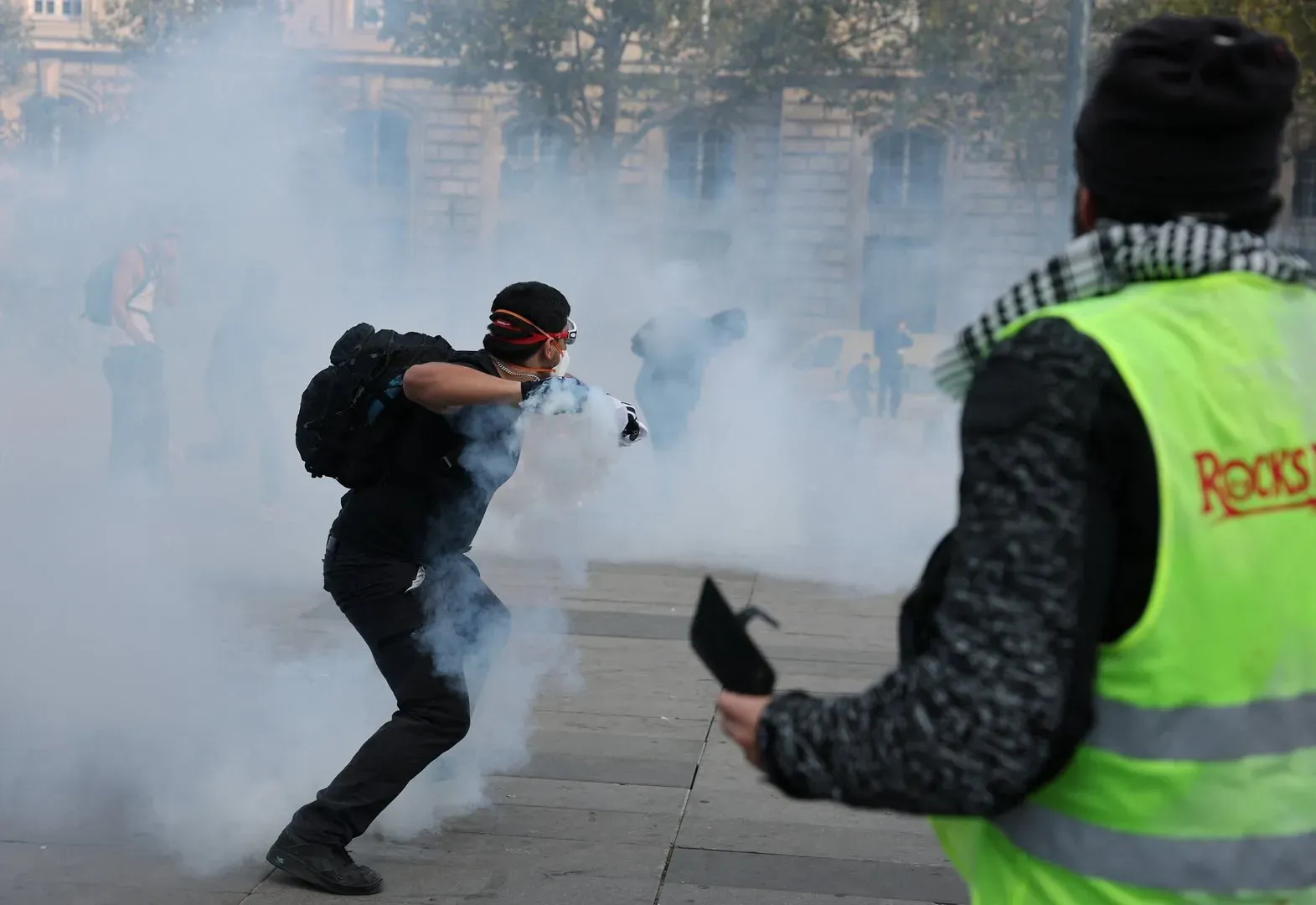 Photo: Al Jazeera
Key points
Nationwide cost-of-living protests across France on 17 October 2026 turned violent, with more than 160 people detained, tear gas fired in Paris, and Marseille's town hall stormed.
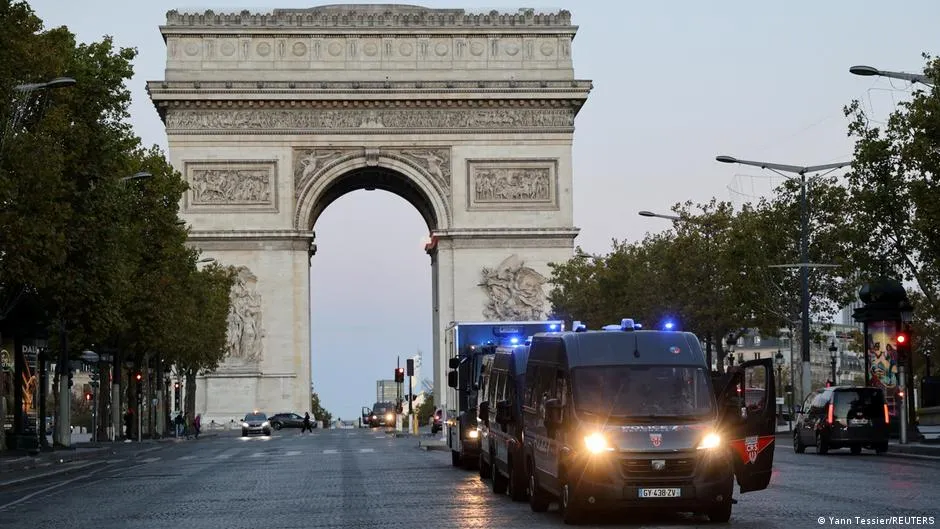
Nationwide protests against the cost of living turned violent across France on 17 October 2026, with police detaining more than 160 people and firing tear gas in Paris. Demonstrators broke into Marseille's town hall, and masked protesters confronted officers at Place de la République, where a water cannon was deployed to push them back.
The scale of the unrest matters because it extends a movement that began at high schools in Paris's northern suburbs and has now spread to petrol stations, oil depots and refineries. The French Interior Ministry recorded 140 separate actions involving almost 33,000 people outside Paris by early afternoon, alongside dozens of arrests in the capital before demonstrations even began.
What the Interior Ministry recorded
The French Ministry of the Interior said 166 arrests had been made by early afternoon, including dozens in Paris before demonstrations began. The ministry said the movement was marked by "a very strong mobilisation of far-left elements, whose sole intent is to incite disorder", and reported "targeted acts of violence" from hooded individuals in Paris, Marseille, Rennes, Toulouse and Angers.
Police in Paris used a water cannon at Place de la République, where several hundred hostile individuals remained to attack law enforcement and emergency services, the force wrote on social media. Officers fired tear gas to push back people wearing hoods and masks who were throwing fireworks and other objects. Around 100 people were arrested across the Paris region, according to BFMTV.
Masked protesters broke into Marseille's town hall on the morning of 17 October 2026 by ramming the doors with security barriers, shouting "It's the Revolution, we're taking the Bastille." Inside, chairs and tables were strewn on the floor, glass was broken, and an anarchist "A" symbol was drawn on a wall. The mayor said the building was vandalised.
Where the violence concentrated
The offices of French broadcasters CNews and Europe 1 in western Paris had windows broken when protesters threw projectiles. In Rennes, around 20 people set up a barricade using trash bins and large pallets on the outskirts of a shopping mall. The Interior Ministry accused some protesters of looting, attacks on police, starting fires and damaging a police station in Marseille.
The Yellow Vest movement, which staged street protests over planned fuel tax hikes eight years earlier, called for 384 protests at petrol stations, 38 at oil depots and five at refineries. The group said the gross refining margin had multiplied by 4.4 between the 2025 average and August 2026, and was 8.4 times higher than in May 2017.
Around 45% of French people are worried about the cost of living and inflation, according to a survey of 2,000 people published earlier in October 2026. Purchasing power in France has dwindled since 2024, while fuel prices have risen since the start of the US-Iran war earlier in 2026. France's public debt is projected to reach more than 120% of GDP next year.
Why protesters took to the streets
Police response has drawn criticism over injuries among demonstrators, including one teenager who had his hand blown off after picking up a stun grenade. Prime Minister Sebastien Lecornu said more than 900 police had been injured, and the internal police watchdog is investigating at least two dozen cases of alleged police violence. Interior Minister Laurent Nunez said stun grenades could be used on 17 October 2026.
President Emmanuel Macron appealed for "calm" ahead of the protests, calling on demonstrators to show "respect for people and property." The government accused the hard-left France Unbowed party of inflaming the protests, an accusation the party denies. Jean-Luc Melenchon, leader of France Unbowed, has backed the student protests and marched in one demonstration.
The protests follow four weeks of student demonstrations against school conditions, which saw tens of thousands take to the streets and turned violent at times. Authorities feared unrest during the protests, with Prime Minister Sebastien Lecornu saying on a Thursday before 17 October 2026 that unrest was anticipated. France's next presidential elections are scheduled for 2027.
Frequently asked questions
How many people were detained in the France protests?
More than 160 people were detained nationwide as cost-of-living protests turned violent across France on 17 October 2026, with the French Interior Ministry recording 166 arrests by early afternoon, including dozens in Paris before demonstrations began.
Why did protests break out across France?
The protests were driven by the cost of living, rising fuel prices and inequality. The Yellow Vest movement highlighted that the gross refining margin multiplied by 4.4 between the 2025 average and August 2026, while station distribution margins stayed stable.
Where did the most notable violence occur?
In Paris, police fired tear gas and a water cannon at Place de la République. In Marseille, masked protesters rammed the town hall doors with security barriers and broke inside, vandalising the building before police intervened.