Healey rules out capital gains tax rise before 28 October Budget
Chancellor John Healey has ruled out increasing capital gains tax at his Budget on 28 October, rejecting calls from Cabinet ministers Wes Streeting and Louise Haigh after warnings it could cut Treasury receipts by £3.6bn in 2028-9.
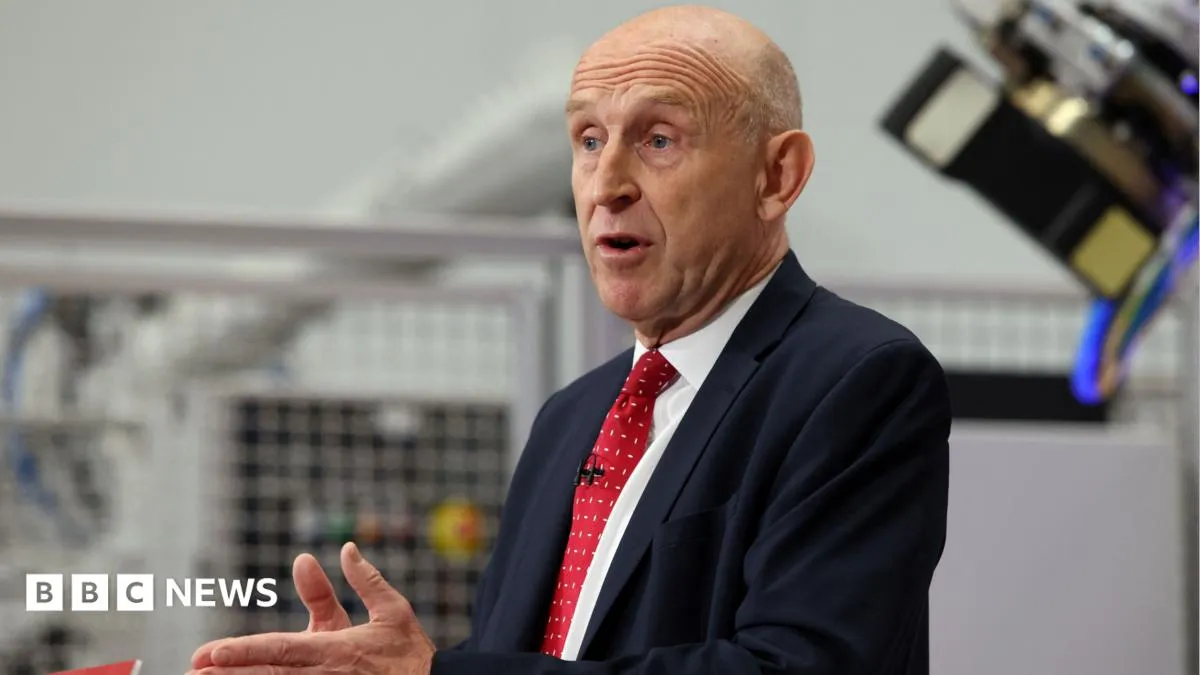 Photo: BBC News
Key points
Chancellor John Healey has ruled out raising capital gains tax at his Budget on 28 October, rejecting calls from Cabinet colleagues.
Chancellor John Healey has ruled out increasing capital gains tax at his Budget on 28 October, rejecting calls from Cabinet ministers to raise the rate on profits from selling assets such as shares and second homes. The decision, first reported, leaves the Chancellor with fewer options to raise money at his first Budget, against a backdrop of rising prices linked to the US-Iran war.
The decision matters because capital gains tax had been the most prominent lever Labour figures wanted pulled to raise revenue without breaking the party's 2024 manifesto pledge not to increase income tax, National Insurance or value added tax. Healey's refusal signals that the Budget will lean instead on other measures, with a rise in the rate banks pay on profits widely reported as the biggest revenue raiser, expected to fund cost-of-living support. The decision was first reported by The Times, according to the Financial Times and City A.M.
Why the Chancellor rejected the rise
Healey's decision follows warnings that raising the tax could cost the government money rather than raise it, because wealthy people might leave the country or defer selling assets. HM Revenue and Customs estimated last year that lifting the higher rate of capital gains tax by 10% would reduce the Treasury's receipts by £3.6bn in 2028-9, while lifting the lower rate by 1% could raise only £5m by the same year.
Cabinet ministers Wes Streeting and Louise Haigh both voiced support for raising the tax before Andy Burnham became prime minister. Streeting called for a "wealth tax that works" in May, shortly after resigning as a minister in Sir Keir Starmer's government, arguing that equalising the rates would address a system "penalising work". Haigh made her case in an article for the Renewal journal.
Where the revenue estimates came from
Lord Jim O'Neill, Burnham's former adviser and Goldman Sachs chief economist, said that "raising capital gains tax would send very much the wrong message to business". The Centre for Policy Studies think tank warned against both a capital gains rise and a new wealth tax, saying a wealth tax would make the UK the most expensive place to own a home among countries in the Organisation for Economic Co-operation and Development.
Sarah Coles, head of personal finance at investment platform AJ Bell, said ruling out a rise was "probably a sensible move from a tax revenue perspective", noting that Treasury receipts from capital gains tax have fallen since the start of the new tax year compared with a year earlier. She said people had changed behaviour by realising gains before changes and then hoarding assets, or deferring gains in hope of waiting out higher taxes. The Centre for Policy Studies think tank warned against both a capital gains rise and a new wealth tax.
With capital gains tax off the table and the manifesto ruling out income tax, National Insurance and value added tax rises, Healey's options narrow to a banking surcharge currently set at three per cent, reduced from eight per cent under Jeremy Hunt in 2023. Reversing that cut would raise around £2bn a year, and the Liberal Democrats have proposed a bank windfall tax to raise £14bn. Communities Secretary Angela Rayner would not speculate on the Budget when asked about capital gains tax on BBC Breakfast.
What replaces the lost revenue
A Treasury spokesperson said decisions on tax are a matter for the Chancellor to set out at fiscal events, rather than commenting on rumour, speculation or proposals. Communities Secretary Angela Rayner would not speculate on the Budget when asked about capital gains tax on BBC Breakfast, saying the government had already given people "breathing space" on the cost of living.
Healey is due to set out his tax and spending plans at his first Budget on 28 October, under pressure to ease the cost of living and fund an increase for defence at next year's spending review. Labour's 2024 manifesto pledged not to increase income tax, National Insurance or value added tax, and self-imposed debt rules limit how much the government can borrow.
Frequently asked questions
Why is the Chancellor not raising capital gains tax?
John Healey rejected calls to raise the tax after warnings it could cost the government money if wealthy people leave the country or defer selling assets. HMRC estimated a 10% higher-rate rise would cut receipts by £3.6bn in 2028-9.
What is the current capital gains tax rate?
Capital gains tax is charged at 18% for basic rate income taxpayers and 24% for higher and additional rate payers, substantially below the 40% income tax rate charged on earnings above £50,271.
When is the Budget and what might be in it?
Healey delivers his first Budget on 28 October. The biggest expected revenue raiser is an increase in the rate banks pay on profits, expected to fund cost-of-living support, with a banking surcharge reversal raising around £2bn a year under discussion.