World Court finds Myanmar guilty of Rohingya genocide
The International Court of Justice ruled on 19 November that Myanmar committed genocide against the Rohingya, a final and unappealable decision.
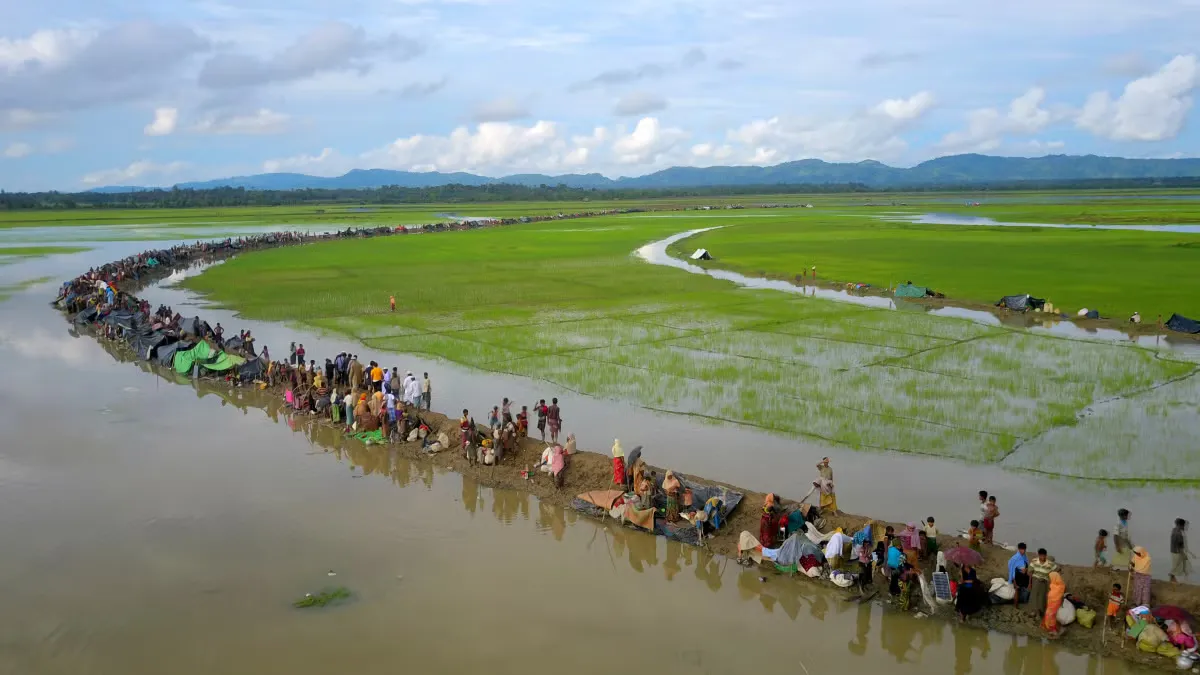 Photo: Human Rights Watch
Key points
The ICJ ruled Myanmar committed genocide against the Rohingya, a final decision that cannot be appealed.
The International Court of Justice on 19 November found Myanmar responsible for genocide against the Rohingya during the 2016-2017 "clearance operations" carried out by Myanmar's military, in the case brought by Gambia against Myanmar for alleged violations of the Genocide Convention. The court's ruling is final and cannot be appealed.
The ruling is a critical milestone in the Rohingya's long quest for justice. Maria Elena Vignoli, senior international justice counsel at Human Rights Watch, said the ruling is "long-awaited recognition of the suffering the Rohingya have endured from Myanmar's military." She added that it provides a significant precedent for victims of genocide and other grave crimes across the world.
A final ruling
The court's decision came in a case initiated by Gambia, a small West African nation, which accused Myanmar of breaching the Genocide Convention. The ruling affirms that Myanmar's military actions against the Rohingya, a Muslim minority, constituted genocide. The court's judgment is binding on the parties, though Myanmar's junta has not yet indicated how it will respond.
Human Rights Watch urged Myanmar to "swiftly comply with the court's judgment and end its oppression of the Rohingya." The organisation also called on concerned governments to strongly support the Rohingya, promote justice for atrocities, press Myanmar's junta to comply, and ensure the safe and voluntary return of Rohingya refugees to Myanmar.
The ruling also has implications beyond Myanmar. The judges examined questions that are likely to arise in evaluating Israeli military conduct in Gaza, including how to establish genocidal intent and how to assess mass killing that occurs while fighting militants. Janina Dill, an expert on international humanitarian law at Oxford University, said the ruling clarified "some of the questions that South Africa versus Israel could turn on."
Reactions and demands
The Gaza case, initiated by South Africa in late 2023, is still pending before the court. Israel has rejected the charge of genocide, arguing that its war aimed to eliminate Hamas, not Palestinians as a whole. The Myanmar ruling, which was 9-6, largely tracked precedent in establishing genocide, but it also clarified points that could be relevant to the Israel case.
The decision comes after years of advocacy by Rohingya groups and human rights organisations. The Rohingya, who have faced persecution in Myanmar for decades, fled en masse to Bangladesh in 2017, with many living in refugee camps. The ruling offers a measure of justice, but the path to accountability and repatriation remains uncertain. As the international community absorbs the ruling, the focus shifts to implementation. Human Rights Watch and other groups are calling for concrete steps to ensure Myanmar complies. The court's decision, while historic, is only the first step in a long process toward justice for the Rohingya.
Frequently asked questions
What did the ICJ rule on Myanmar?
The International Court of Justice found Myanmar responsible for genocide against the Rohingya during the 2016-2017 clearance operations, in a case brought by Gambia. The ruling is final and cannot be appealed.
Why is the ICJ ruling significant?
It is a landmark recognition of Rohingya suffering and provides a precedent for victims of genocide worldwide. It also clarifies issues that may affect the separate case against Israel over Gaza.
What happens next after the ICJ ruling?
Human Rights Watch urges Myanmar to comply and end oppression, and calls on governments to press the junta and ensure safe return of refugees. Enforcement remains uncertain.