Iran rules out UN nuclear inspections until war ends
Iran's deputy foreign minister says IAEA access to damaged nuclear sites will be denied until the war permanently ends, rejecting the watchdog's call to resume inspections.
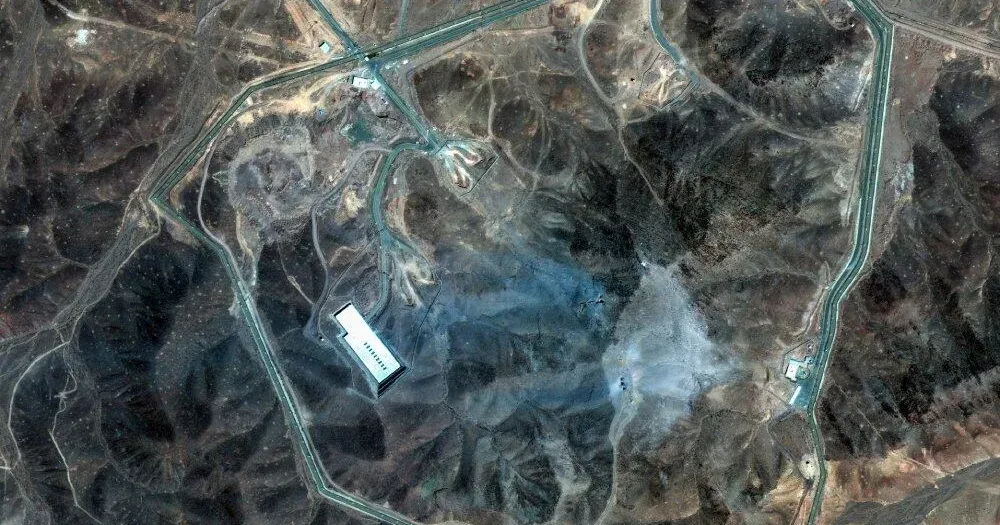 Photo: CBS News
Key points
Iran will not allow IAEA inspections of damaged nuclear sites until the war with the US permanently ends.
Iran will not allow United Nations inspections of its damaged nuclear sites until the war with the United States has permanently ended, Deputy Foreign Minister Kazem Gharibabadi said in a televised interview late Sunday. "We will not grant the IAEA access to the facilities until Iran's conditions are met and the war has permanently ended," he said and AFP.
The remarks came days after the International Atomic Energy Agency, the UN nuclear watchdog, urged Tehran to take steps toward resuming inspections, which have been partly suspended since last year. IAEA inspectors visited the Bushehr nuclear power plant in September but have not gained access to other sites targeted by the US, including Natanz, Fordow and Isfahan.
IAEA access denied
Gharibabadi said the agency's request to inspect damaged facilities was "likely aimed at assessing the effectiveness of American weaponry." His comments were carried by Iranian state media, including Fars News Agency and IRNA, and reported. The deputy foreign minister also ruled out any agreement with Washington under current conditions, saying the United States had failed to provide an acceptable response to Tehran's demands. He accused Washington of undermining diplomatic efforts and potentially using negotiations to buy time for another military operation.
Gharibabadi said Iran was preparing for three possible scenarios in its dealings with the United States: diplomacy, an economic blockade and military aggression. He warned that Tehran would not wait for Washington to launch the first attack before responding, describing the situation as a state of war rather than neither war nor peace.
Conditions for a deal
"We did not start the war. The Islamic Republic of Iran has fundamentally not been warmongering," he said, maintaining that Tehran had acted in self-defence. He argued that Washington had already tested military aggression without achieving its expected objectives, claiming the United States had suffered significant strategic setbacks. Iran's conditions for any agreement include a permanent end to the war on all fronts, an end to the US-imposed economic blockade, and the lifting of certain American sanctions, particularly those targeting Iran's oil sector. Tehran also demands resolution of Iranian assets frozen abroad and practical guarantees that Washington will honour all commitments.
Gharibabadi accused the United States of demonstrating bad faith at least three times over the past 18 months, citing the 12-day war and the 40-day war, both of which he said occurred while diplomatic negotiations were underway. He also referred to the Islamabad negotiations and a memorandum of understanding that, according to him, remained in effect for no more than two weeks.
Strait of Hormuz timeline
The deputy foreign minister outlined Tehran's proposed timeline for ending hostilities and restoring access through the Strait of Hormuz. Iran initially proposed a seven-day period to implement the necessary measures, end the war and reopen the strategically important waterway. Following approximately two months of consultations with mediators, particularly Qatar and Pakistan, Tehran reduced the proposed timeline to two days.
Gharibabadi said the required measures could be implemented within this period, potentially paving the way for the reopening of the Strait of Hormuz. He added that the proposal remained on the table, but differences over the timing and implementation of commitments continued to prevent progress. Washington wants some measures to be implemented at a later stage rather than within the proposed timeline, he said.
Frequently asked questions
Why is Iran refusing UN inspections of its nuclear sites?
Deputy Foreign Minister Kazem Gharibabadi said Iran will not grant IAEA access until the war with the US permanently ends and Iran's conditions are met. He suggested the request was aimed at assessing the effectiveness of American weaponry.
What are Iran's conditions for a deal with the US?
Iran demands a permanent end to the war, an end to the US-imposed economic blockade, lifting sanctions on its oil sector, resolution of frozen assets, and practical guarantees that Washington will honour commitments.
What timeline has Iran proposed for reopening the Strait of Hormuz?
Iran initially proposed a seven-day period to end the war and reopen the strait, but after consultations with Qatar and Pakistan, it reduced the timeline to two days. The proposal remains on the table.