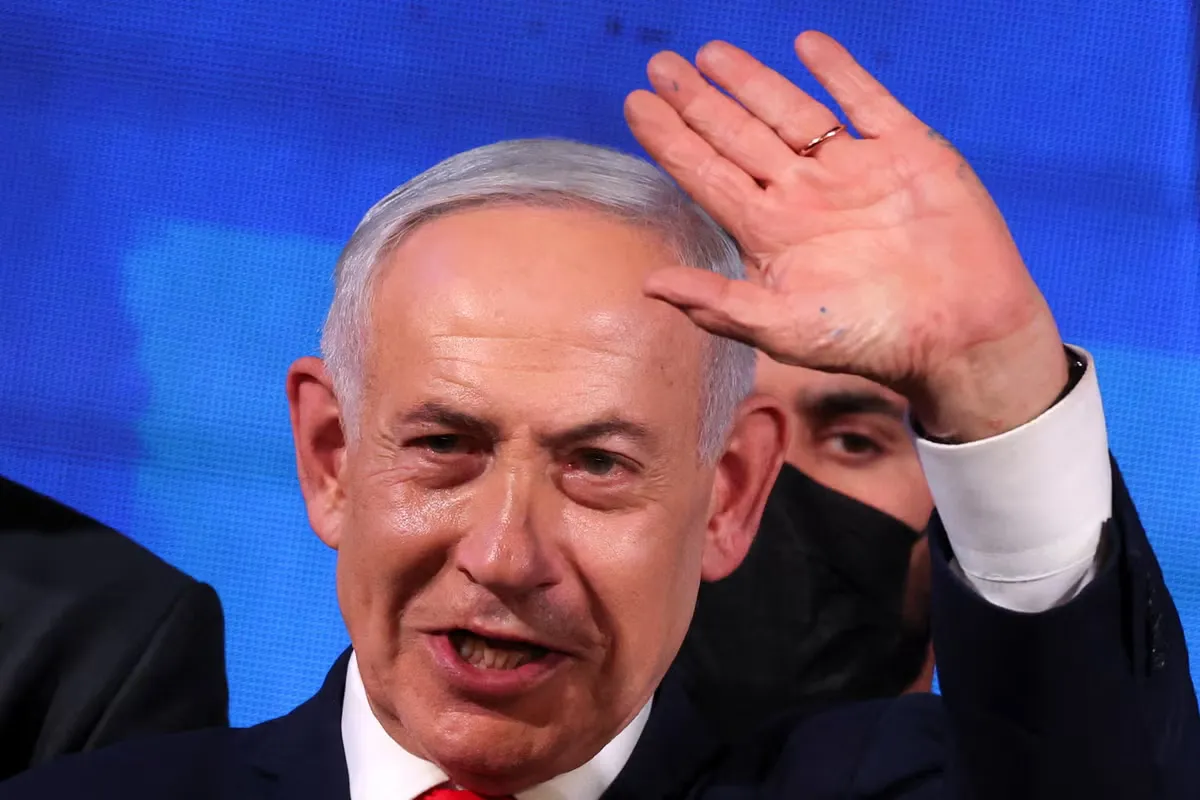
Netanyahu bloc leads with 53 seats as Israeli election deadlocks
Benjamin Netanyahu's bloc led with 53 seats against the opposition's 48 on 28 October, with about 88% counted and double-envelope ballots still to be counted overnight.
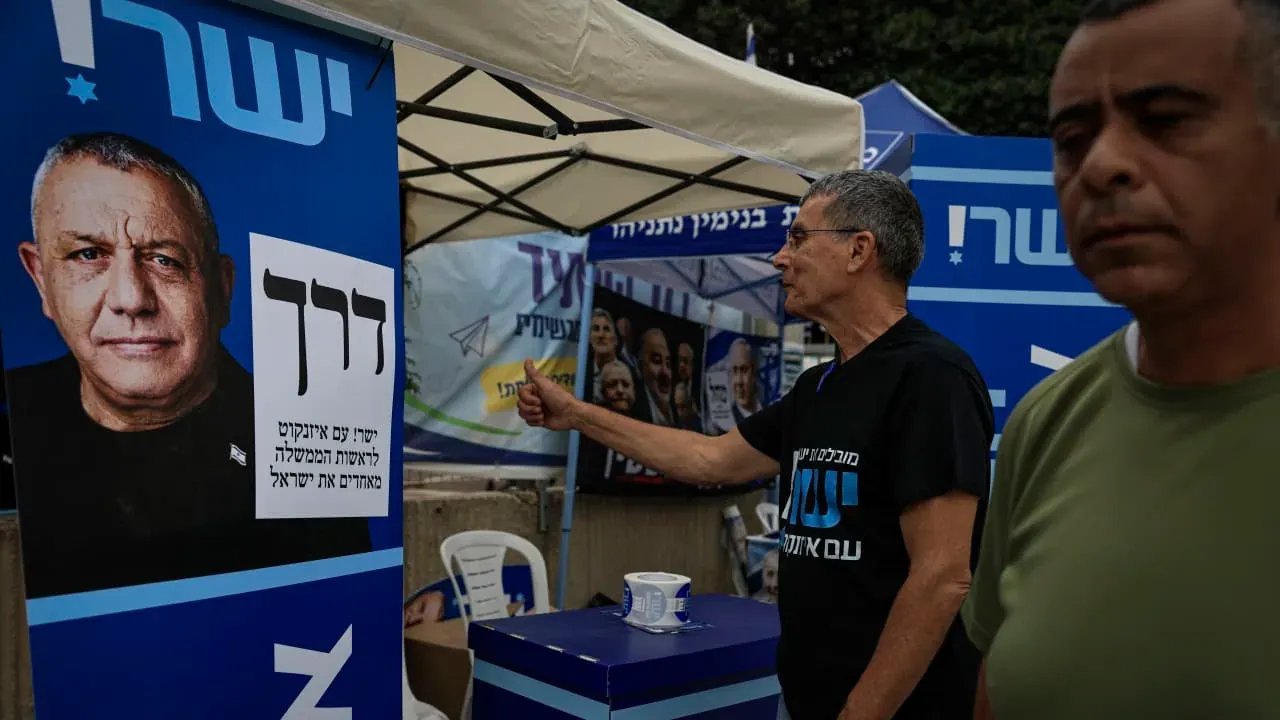 Photo: The Jerusalem Post
Key points
Benjamin Netanyahu's bloc led with 53 seats against the opposition's 48 in Israel's election, with neither side reaching the 61-seat majority needed.
Benjamin Netanyahu's bloc held the lead in Israel's election with 53 seats projected, against 48 for the opposition bloc, the Central Elections Committee reported on Wednesday evening. More than five million votes had been counted in Tuesday's election, with the official count reaching about 88%. Both blocs fell short of the 61 seats needed for a Knesset majority without the support of the Arab parties.
The result leaves Israel without a clear path to a government. Netanyahu's bloc is short of a majority, and opposition leader Gadi Eisenkot has rejected serving under Netanyahu, including in a rotation government. Other opposition leaders have also ruled out joining a coalition led by Netanyahu. The deadlock raises the prospect of another election, though coalition negotiations could still produce an agreement. By law, the president must consult Knesset factions before tasking anyone with forming a government.
Why neither bloc can govern alone
The count excluded double-envelope ballots, which were set to be counted throughout the night of 28 October. Those ballots let eligible Israelis, including soldiers, hospital patients, prisoners and certain election workers, vote outside their designated polling stations, and could significantly affect the final result. With more than 90% counted as of late afternoon on 28 October, the last votes were due to trickle in only on Friday, potentially narrowing the number of seats Netanyahu needs.
Likud was projected at 26 seats, making it the largest party in the Knesset, though down 10 seats from its current representation. United Torah Judaism, Shas and Otzma Yehudit were expected to take seven seats each, and the Religious Zionist Party six. The far-right and ultra-Orthodox parties as a group dropped five seats to 27. Most pre-election TV polling had Likud on significantly fewer seats, with the other parties in Netanyahu's bloc projected to gain more.
The opposition bloc of Yashar, B'Yachad, Yisrael Beytenu and The Democrats was projected at 48 seats. Gadi Eisenkot's Yashar took 21 seats, less than polls had predicted and behind Likud. Naftali Bennett's B'Yachad was projected at 12, Yair Golan's The Democrats at eight, and Avigdor Liberman's Yisrael Beytenu at seven. Most pre-election TV polling had shown the opposition bloc in the lead, with Yashar projected as the largest party.
Where the count stood on Wednesday
The Joint List was projected at 12 seats and Ra'am at seven, a combined 19 seats — a record-breaking total driven by high Arab voter turnout. The Joint List went from five seats in the last Knesset to 12, and Ra'am picked up two seats. Yair Golan argued the opposition had won a Zionist majority and that Netanyahu should subtract 16 seats belonging to the haredi parties, claiming 65 opposition seats against 55 for Netanyahu.
Two smaller parties, Ofer Winter's People of Israel and Yoaz Hendel's The Reservists-Economic party, were both projected to fall short of the 3.25% threshold, potentially complicating efforts by Netanyahu's bloc to secure a majority. The opposition's options of a coalition with Arab-led parties or a minority government supported from outside by them were described as no longer realistic, since most bloc leaders had ruled out such arrangements.
Arab parties hit record seat total
Both leaders claimed victory on the night of the election. Eisenkot declared victory for the opposition after exit polls showed Yashar in the lead, while Netanyahu delivered a victory speech after polling began showing his bloc with a clear lead. On Wednesday, Netanyahu's Likud accused Arab parties of widespread election fraud, bribery, intimidation and ballot manipulation, and demanded an immediate investigation by law-enforcement authorities.
President Isaac Herzog called on political leaders on Wednesday to approach coalition negotiations with open minds, warning Israel must do everything to avoid another election. Golan confirmed he would meet three opposition leaders on Thursday, declining in a Channel 12 interview to name them. A minority government winning confidence without 61 seats remains possible, with Arab parties able to support the opposition from outside, though Liberman rejected that option before the election.
Frequently asked questions
Who is leading in the Israeli election results?
Benjamin Netanyahu's bloc was projected at 53 seats against the opposition's 48, according to the Central Elections Committee, with about 88% counted on 28 October. Neither bloc reached the 61 seats needed for a Knesset majority.
Why did neither bloc win a majority?
Netanyahu's bloc fell short at 53 seats, while opposition leader Gadi Eisenkot and other opposition leaders ruled out joining a coalition led by Netanyahu. Double-envelope ballots, counted overnight, could still shift the final tally.
How did Arab parties perform in the election?
The Joint List won 12 seats and Ra'am seven, a combined record 19 seats, driven by high Arab voter turnout. The Joint List rose from five seats in the last Knesset.